Posts Tagged ‘Neck Pain New Fairfield’
Welcome to Chiropractic Life and Wellness Center's Neck Pain New Fairfield Archive. Here you can learn more about Chiropractic Life and Wellness Center, Chiropractic, and Dr. Brandon Chorney, today's choice for Chiropractors in New Fairfield, CT. Read Dr. Brandon Chorney's Chiropractic Neck Pain New Fairfield for the health of it.
We look forward to serving you! Call - 203-746-6543.
by Dr. Brandon Chorney | Jul 14, 2015 | Health Articles

Flashback from the eighties - a girl wearing a full back brace for scoliosis and trying to get a sip of water from a drinking fountain. At the time it was painfully funny and not so far fetched. Unfortunately the event was even more real for the 5 to 7 million people in the United...
Read More >>
by Dr. Brandon Chorney | Jan 22, 2015 | Health Articles
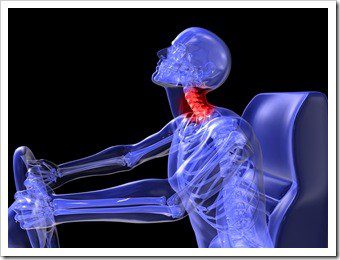
Car accidents are renowned for causing whiplash injuries, and these should always be taken seriously no matter how insignificant they may at first appear, because of the areas which are affected. It should also be remembered that the effects of whiplash may take weeks or months to fully manifest, thus it cannot be assumed no...
Read More >>
by Dr. Brandon Chorney | Sep 9, 2014 | Health Articles
In today's busy world we and others around us can easily be distracted. When we are distracted we have no present time consciousness and this can lead to accidents caused or experienced. The impact often involves a sharp or sudden jolt in which our body, neck and head are not prepared for. These distractions can...
Read More >>
by Dr. Brandon Chorney | Feb 20, 2014 | Health Articles
Workplace Ergonomics Simply Defined
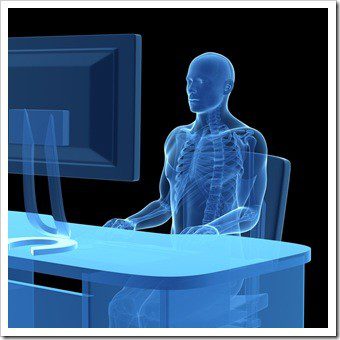
Workplace ergonomics is the practice of designing or redesigning an area in which a person works to the specific needs and job requirements of that person. Simply defined that for an ergonomic workplace to be created, a proper assessment of the environment must first of all take place so that appropriate changes can be made on the basis of accepted ergonomic principles. The aim is to create a safer and more productive working environment for the employees. It not only creates healthier more productive employees but saves corporations in millions in lost productivity due to illness and injury.
The Three Most Important Basic Ergonomic Principles:
- The stress of any lifting should be taken by the largest muscles to protect the smaller and more vulnerable ones.
- When working, the employee should be able to move comfortably between various correct postures so they do not over-stress one particular part of the body for an extended period. Muscles become fatigued when kept tense for too long, especially if that one posture is poor.
- Joints should move through no more than 50% of their range when performing activities, and preferably be kept in a neutral position. Joints that are overextended can become damaged and susceptible to repetitive stress/strain injuries.
Tips for a Seated Desk Career:
- The height of the desk should be suited to your frame, and everything you need should be within easy reach.
- Your feet should be able to touch the floor, and the angle between your torso and thighs should be 90 to 110 degrees.
- Keep your body straight, head and neck upright, and keep your task directly in front of you. Don’t hunch or slouch.
- The top of your computer monitor should be at your eye level. Your head should be in a neutral position, otherwise any leaning forward can cause pain in the neck and head.
- Your wrists should be straight when typing, and your shoulders and forearms parallel to the floor.
- Anything you read at your desk should be at the same level as though you were reading it on your monitor. Use a book stand or a paper holder.
- Use a headset when talking on the telephone – certainly if you are doing so for long periods. Never use your shoulder to cradle the phone against your ear. This will lead to headaches and neck pain.
- Every 20 or 30 minutes, get up and stretch. It will help you re-energize and re-focus.
- Frequently stretch out your neck, arms, wrists, back, and legs while working. Try neck rotations, fist clenches, arm dangles, and shoulder shrugs.
- Don’t stare at one thing for too long. If your eyes do not frequently shift focus, they will become strained and tired. Take a few seconds to look from objects that are nearby to objects that are farther away.
Mastering the Mouse:
Use your arm and shoulder to move the mouse, not just your wrist. Hold the mouse loosely and keep your wrist straight and relaxed. The edge of your desk is not the best place to rest your wrist; instead, use a gel rest incorporated into the mouse mat. Take regular breaks during each hour to flex your wrists, and to move your arms and shoulders.
Tips for Safe Lifting:
When lifting anything off the floor, bend at the knees, not at the waist. Keep your head up, your neck and back straight, and use your leg muscles to power up to standing. Bending forward at the waist to lift brings your low-back muscles into it, and these can be easily pulled. Keep your elbows flexed and hold the object close in to your body to further minimize back strain.
Mastering Your Health
Chiropractors specialize in the mechanics of the body and the impact of poor posture and repetitive activities has on your overall health. If you would like to know more on how to apply correct ergonomics into your work place or environment, please contact our office today to schedule an appointment.
by Dr. Brandon Chorney | Dec 31, 2013 | Health Articles
Most people think that the head-sized extension on the top of your car seat is just for resting your head on. However, it is not just a place to rest your head on, it is actually a key safety feature called a head restraint. This head restraint helps to prevent whiplash in the case of...
Read More >>