Archive for the ‘Health Articles’ Category
Welcome to Chiropractic Life and Wellness Center's Health Articles Archive. Here you can learn more about Chiropractic Life and Wellness Center, Chiropractic, and Dr. Brandon Chorney, today's choice for Chiropractors in New Fairfield, CT. Read Dr. Brandon Chorney's Chiropractic Health Articles for the health of it.
We look forward to serving you! Call - 203-746-6543.
by Dr. Brandon Chorney | Apr 29, 2021 | Health Articles

April showers bring May flowers, but what can May flowers bring? That's right - possible back pain. As springtime gets under way, we head outside into the warm weather and begin the spring clean in our garden. We are invigorated by the warmth and begin tackling the garden in Gung-ho style. Although gardening can provide...
Read More >>
by Dr. Brandon Chorney | Apr 22, 2021 | Health Articles
Our society for the most part lives for the exhilaration of endorphins that we release as we strive for the goal line of victory. We simply love winning. Our addiction will often be the force that drives us to the next challenge. We know that our win is never based on “good luck” but our preparations meeting opportunities for victory. But as with all athletics there is also an inherent risk of injuries not based on “bad luck” but other unfortunate circumstances.
If A Sports Injury Happens
At the time of injury most often we are upset with ourselves, the circumstances and want answers to our questions:
- When can I start exercising again?
- When can I get back to my sport?
- What can I do to prevent this from happening again?
The answers to these questions are relatively straightforward. But for some, injuries continue to happen. Which leads us to our next key question:
- Why does this keep happening to me?
This question is the hardest to answer. Some athlete’s injuries may occur even when they are doing the things that they are supposed to be doing. Although challenging, it is imperative to continue to try to discover the underlying causes to better prepare and build strength for the next opportunities for greatness.
The “Why”
If we dig deeper, we’ll find that there are three primary sources of training injuries: (1) under-preparation, (2) over-training, and (3) lack of focus.
Training sounds pretty simple on paper. Just eat right, sleep well, and lift a little bit more weight every workout. But every workout takes place in real life, and real life can make training pretty hard. Optimal training only occurs when daily life doesn’t get in the way.
Training like an athlete while working a full-time job or going to school is not easy, but fixing weak points in your habits and lifestyle can help avoid training setbacks and plateaus.
The first training injury most often experienced is under-preparation. Under-preparation means doing things you’re not ready to do. For example, people who have never done aerobic exercise go out and try to run five miles, or people who have never done strength training go to the gym and try to lift weights that are too heavy. These exercise patterns can be dangerous, physically, and may directly lead to injury.
Remember a 16-year-old teenager has some leeway and can get away with making a variety of training errors. This leeway may even be true for those who are in their mid-20s, but persons who are older need to train on a trajectory. Sound principles include starting slowly, starting with the basics, and making sure to include rest days in your training program. Build up your strength and stamina. Doing more than you are ready for will send you straight to your chiropractor’s office or even to the hospital.
Remember exercise can cause muscle and joint pain. The severity of the soreness and how long it takes to recover depends on diet and lifestyle, as well as the kind of exercises performed.
Could I Be Over-Training?
The second most often cause for injury is over-training.
Over-training means doing too much. Most of us are guilty of this. For example, you love to run, you build up your weekly mileage to a good level, but then you keep piling on the distance. Then all of a sudden you’ve got a stress fracture in your leg or a severe strain of a calf muscle.
The key is to train smart and to be aware of the possibility of over-training. The temptation to do more is always there, but the result is never good. The short-term gratification is completely outweighed by the frustration and loss of conditioning resulting from injury-enforced down-time.
Clear the Mechanism
Many injuries happen during regular training because the person’s mind has wandered off from a life distraction or lethargy.
When people pay more attention to the TV or their incoming text messages than they do to the equipment they’re using or the weight they’re lifting, the result can be an injury, sometimes a bad one. In fact, you’re very unlikely to sustain an injury during normal training if you’re completely focused. Maintaining focus should be a central part of the discipline of training.
But what about lethargy and fatigue?
The occasional all-nighter won’t have a long-term effect on performance, but consistently poor sleep will. To ensure laser focus in mental acuity aim for six to ten hours of sleep every night and follow these guidelines for a healthy sleep environment:
A healthy sleep environment is:
- A slightly cool room tends to facilitate sleep.
- Turn off electronic devices. Smartphones and tablets just before bed will disrupt melatonin secretion, leading to a more difficult time falling asleep.
- Ears don’t close as eyes do. Even if you sleep through the night, loud noises can still impair sleep quality.
- Caffeine-free. Avoid any compounds that impair sleep and lower sleep quality.
- Where you sleep and how long you sleep for should be the same from night to night.
Ready to Learn More?
A big part of our sports performance and rehabilitation process is the acquisition of knowledge. In the realm of exercise and fitness, some personal knowledge of biomechanics can go a very long way toward preventing injuries.
Our expert team has been designed to help not only rehabilitate sports injuries through Chiropractic and other rehabilitative care but to help you learn more about human biomechanics and how to achieve your optimal physical performance.
by Dr. Brandon Chorney | Apr 15, 2021 | Health Articles
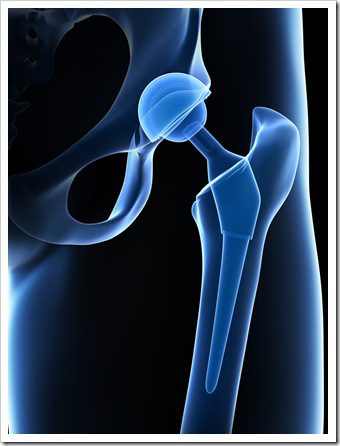
As we get older, we begin to find signs of age. Our skin is not as firm. We are not as flexible. We slow down and actually acknowledge we are in pain. But what happens when our joint pain begins to become so excruciating that we are limited in our day to day activities? Unfortunately...
Read More >>
by Dr. Brandon Chorney | Apr 8, 2021 | Health Articles
Fabulous Spring is here! At this time of year, we should be in full swing and enjoying the benefits of the sun and outdoor activities. Unfortunately many of us are sitting on the bench or taking medications to play through our neck pain and what is described as a “frozen shoulder”.
What Exactly is A Frozen Shoulder?
A Frozen Shoulder or, Adhesive capsulitis, is a condition in which the shoulder cannot be moved normally due to pain and inflammation in the joint capsule of the shoulder. Limited range of motion not only occurs when the individual tries to move the shoulder, but even if shoulder movement is forced. The pain maybe isolated but most often it is accompanied with neck pain.
What Causes of A Frozen Shoulder?
A Frozen Shoulder is caused by inflammation, scarring or thickening that occurs within the capsule of the shoulder joint. The capsule of ligaments in the shoulder joint allows the bones in the shoulder to freely move within the joint and if this becomes inflamed, the bones in the shoulder may have difficulty moving or may not be able to move at all. In many cases, there is no known cause for the inflammation and the condition arises from lack of use of the shoulder joint, but some causes that can lead to the condition include diabetes, shoulder trauma or injury, shoulder surgery, tendonitis, bursitis, cervical disc disease, chronic inflammatory arthritis, hyperthyroidism or any type of surgery located in the chest or breast.
Could I Have A Frozen Shoulder?
The primary symptoms of a frozen shoulder are pain, stiffness and limited shoulder mobility. In most cases, the condition begins with pain that prevents you from using your shoulder and moving your arm in a normal fashion. As you cease to move your arm because of the pain or if you keep it immobilized for too long (such as by putting it in a sling), the shoulder becomes stiff and eventually you cannot perform certain functions or movements.
The main difference between a frozen shoulder and other conditions is that although other conditions may cause pain, stiffness and limited mobility, a frozen shoulder joint cannot be manually moved even by a doctor.
Diagnosing A Frozen Shoulder
The first step in diagnosing a frozen shoulder will include taking a complete medical history and physical examinations. Questions will be asked related to when the symptoms began, what activities caused the symptoms, and how limited the movement of the shoulder is. The shoulder will be examined and range of motion tests will be performed. The doctor will try to move the shoulder joint manually and if that cannot be done, a diagnosis of frozen shoulder is made. X-rays or an MRI may be ordered to determine if there is any noticeable cause of the immobility, but in most cases of frozen shoulder there are no specific findings, although shrinkage of the shoulder capsule or scar tissue may be apparent.
We Can Help!
Our Expert Team has been assembled to help our community through a variety of treatment techniques achieve the health results they desire.
Let our fantastic team help you achieve the quality of life you desire – happy and best of all pain-free!
by Dr. Brandon Chorney | Apr 1, 2021 | Health Articles
Summer vacation is near! The excitement of warm weather and the well needed break from school or work is upon us. As the last school bell rings or the final confirmation of your travel plans arrives make sure you not only pack accordingly but prepare with these simple tips so you may enjoy the most of...
Read More >>
by Dr. Brandon Chorney | Feb 25, 2021 | Health Articles
Are you sitting on the sideline for some of your favorite activities due to a shoulder injury that is making many routine activities challenging and painful? Or have you played through telling yourself it will heal or you will address later?
Be warned! It could be an injury to your rotator cuff! Your shoulder injury that may have started off as a minor injury could now be leading to a larger one where the repair process is more substantial.
What Is The Rotator Cuff Exactly?
The shoulder joint’s support and stability are made up by an intricate group of muscles that surround the cap of the shoulder called the cuff.
The rotator cuff itself consists of four muscle groups which lie all around the shoulder blade – in front, either side and on top. These muscle groups fibers then all lead up to the arm bone where they become join the tendons and attach onto the top part of the arm. Their function is to stabilize the shoulder joint while allowing the shoulder to move and turn through a wide range of motions enabling us to perform an incredible variety of functions with our arms.
This structural feat is amazing, but due to this flexibility and mobility, rotator cuff injuries are very common. A small injury can happen in one of the tendons or muscles and can very quickly progress to irritating other adjacent areas due to compensation patterns.
Understanding Rotator Cuff Injuries
Rotator cuff injury is a broad term used to describe any damage to the rotator cuff. Common injuries to the shoulder and rotator cuff include partial tears in the muscles and tendons, which can result from acute injury or repetitive wear and tear over the long term.
Common Symptoms of a Rotator Cuff Injury
The inability to lift the arm at the shoulder out to the side
Pain on putting a coat on or pain when sleeping on that side at night. Radiating pain down the arm towards the elbow or even radiating down into their hands.
The Two Main Causes
In the case of rotator cuff injuries, they are commonly separated into two defining causes which are ‘repetitive micro-trauma’ and ‘traumatic injuries‘.
Repetitive Micro-trauma Injuries: In repetitive use injuries to the rotator cuff, repeated activities cause damage to the rotator cuff tendons. Over time, the tendons wear faster than the body can repair them allowing a micro-tear to develop within the tendons. Most often patients suffering from repetitive strain have complaints of shoulder pain before developing tears in the rotator cuff tendons.
Traumatic Injuries: Traumatic injuries to the rotator cuff are seen after events such as throwing, golf and falling onto an outstretched arm. The traumatic event can cause the tear in the rotator cuff tendons. This type of injury is much less common than repetitive use injuries.
Although partial tear injuries are more commonly suffered, full tears to the tendon are frequently found in older sufferers. A complete tear injury is found more often because as we age, the muscle and tendon tissue of the rotator cuff loses some elasticity. With the loss of elasticity, the blood flow to the mid part of the tendon becomes inadequate. Therefore, healing is slower and degenerative changes are often found.
You Deserve The Best Treatment
The most beneficial treatment process delivers the best results when a Chiropractic physician also provides detailed physical rehabilitative programs targeted to preserve and build muscle strength during the healing process.
Developing a treatment plan individualized to the particular cause of the injury is crucial.
The musculoskeletal specialist, such as a chiropractor and one who specializes or works with specialists in physical rehabilitation will result in the highest quality of care for this injury as the full recommendation will lead to in quickest and fastest healing results.
Physical rehabilitation and rest are the recommended course of action for effective reduction of pain and restoration of full function to the arms and shoulders. As with many other repetitive movement injuries, massage therapy in conjunction with chiropractic care can provide not only pain relief but the highest restoration of range of movement.
Soft tissue treatments such as ART and Graston work to reduce the frequency and symptoms of inflammation, sending fibrous adhesions that inhibit functional movement back into circulation.
Kinesiotape can be beneficial as well by helping correct and maintain proper shoulder positioning throughout the day by stimulating proprioception, increasing your body’s positional awareness.
Ready To Get Back Into The Swing?
Shoulder injuries do not need to be athletically related and can happen at any age.
If you are currently sidelined from the activities you love due to injury, please contact us today so we may help you get back into the game of life!
Our team is experts in the correction and rehabilitation of musculoskeletal injuries including rotator cuff injuries.




 Are you sitting on the sideline for some of your favorite activities due to a shoulder injury that is making many routine activities challenging and painful? Or have you played through telling yourself it will heal or you will address later?