Posts Tagged ‘Sports Advice New Fairfield’

Welcome to Chiropractic Life and Wellness Center's Sports Advice New Fairfield Archive. Here you can learn more about Chiropractic Life and Wellness Center, Chiropractic, and Dr. Brandon Chorney, today's choice for Chiropractors in New Fairfield, CT. Read Dr. Brandon Chorney's Chiropractic Sports Advice New Fairfield for the health of it.

We look forward to serving you! Call - 203-746-6543.

New Fairfield CT Chiropractic Care Wins Gold with Young Athletes

Sports Injury New Fairfield CT

As more young athletes take to the field, court, and track in New Fairfield CT, there’s one key ingredient often overlooked in their performance regimen: chiropractic care. From Olympians to weekend warriors, proper spinal alignment is helping athletes of all ages improve their performance, recover from injuries, and stay at the top of their game....

Read More >>

First Great Steps for Young Athletes

Youth New Fairfield CT Athletic InjuryToday our children begin training and playing year round sports from a very early age.  The results have been extraordinary in the Wins and Losses column.

The Win column contains the amazing achievements in speed, coordination, and overall results.  Unfortunately the Losses have included an increase in injuries.  To convert those losses our spinal specialist teams have now incorporated and created special programs to rehabilitate injuries and to help build proper strength foundations and future trainings to help avoid and recover quickly from these injuries.

The ultimate goal is a proper training regiment which will include proper spinal alignments for optimal performance and the investment of a support network of pro-active healthcare body mechanic specialists.

The Whole Picture

In today’s age of health and fitness, more and more kids are involved in sporting activities. Although being part of a football, soccer or Little League team is an important rite of passage for many children, parents and their children could be overlooking the importance of proper nutrition and body-conditioning needed for preventing injuries on and off the playing field.

“The majority, if not all, sports are good, provided that the child prepares appropriately,” says Dr. Timothy Ray, a member of the American Chiropractic Association’s Council on Sports Injuries and Physical Fitness. “Without proper preparation, playing any sport can turn into a bad experience. There are structural and physical developmental issues that need to be taken into consideration before children undertake certain sports.”

Highly competitive sports such as football, gymnastics and wrestling follow rigorous training schedules that can be potentially dangerous to an adolescent or teenager. The best advice for parents who have young athletes in the family is to help them prepare their bodies and to learn to protect themselves from sports related injuries before they happen.

“Proper warm up, stretching and strength-training exercises are essential for kids involved in sports, but many kids learn improper stretching or weight-lifting techniques, making them more susceptible to injury,” says Dr. Steve Horwitz, an ACA member from Silver Spring, MD, and former member of the U.S. Summer Olympic medical team. “Parents need to work with their kids and make sure they receive the proper sports training.”

“Young athletes should begin with a slow jog as a general warm-up, followed by a sport-specific warm-up. They should then stretch all the major muscle groups,” says Dr. Horwitz. “Kids need to be instructed in appropriate exercises for each sport to prevent injuries.”

Proper nutrition and hydration are also extremely vital. “While an ordinary person may need to drink eight to 10 8-ounce glasses of water each day, athletes need to drink even more than that for proper absorption. Breakfast should be the most important meal of the day. Also, eating a healthy meal two to four hours before a practice or a game and another within one to two hours after a game or practice allows for proper replenishment and refuels the body,” adds Dr. Horwitz.

Young athletes today often think they are invincible. The following tips can help ensure your child does not miss a step when it comes to proper fitness, stretching, training and rest that the body needs to engage in sporting activities.

Tips to Boost Positive Results:

  • Wear the proper equipment. Certain contact sports, such as football and hockey, can be dangerous if the equipment is not properly fitted. Make sure all equipment, including helmets, pads and shoes fit your child or adolescent. Talk to your child’s coach or trainer if the equipment is damaged.
  • Eat healthy meals. Make sure your young athlete is eating a well-balanced diet and does not skip meals. Avoid high-fat foods, such as candy bars and fast food. At home, provide fruit rather than cookies, and vegetables rather than potato chips.
  • Maintain a healthy weight. Certain sports, such as gymnastics, wrestling and figure skating, may require your young athlete to follow strict dietary rules. Be sure your child does not feel pressured into being too thin and that he/she understands that proper nutrition and caloric intake is needed for optimal performance and endurance.
  • Drink water. Hydration is a key element to optimal fitness. Teenage athletes should drink at least eight 8-ounce glasses of water a day. Younger athletes should drink five to eight 8-ounce glasses of water.
  • Drink milk. Make sure your child has enough calcium included in his/her diet. For children over 2 years of age, ACA recommends 1 percent or skim milk rather than whole milk. Milk is essential for healthy bones and reduces the risk of joint and muscle related injuries.
  • Avoid sugar-loaded, caffeinated and carbonated drinks. Sports drinks can be a good source of replenishment for those kids engaged in long duration sports, such as track and field, but water is vital.
  • Follow a warm-up routine. Be sure your child or his/her coach includes a warm-up and stretching session before every practice, game or meet. A slow jog, jumping rope and/or lifting small weights reduces the risk of torn or ripped muscles. Flexibility is key when pushing to score that extra goal or make that critical play.
  • Take vitamins daily. A multi-vitamin and Vitamin C are good choices for the young athlete. Vitamin B and amino acids may help reduce the pain from contact sports. Thiamine can help promote healing. Also consider Vitamin A to strengthen scar tissue.
  • Avoid trendy supplements. Kids under the age of 18 should avoid the use of performance-enhancing supplements, such as creatine. Instead, they should ask their coach or trainer to include weekly weight training and body-conditioning sessions in their workout.
  • Get plenty of rest. Eight hours of sleep is ideal for the young athlete. Lack of sleep and rest can decrease performance. Sluggishness, irritability and loss of interest could indicate that your child is fatigued.

Ready To Help At The Starting and Finishing Line!

Our amazing team of experts are trained and licensed to treat the entire neuromusculoskeletal system.   We are always able to answer questions and able to provide the best advice on sports training, nutrition and injury prevention to young athletes.

Call today we are your biggest fans!

New Year’s Resolution to Exercise

Weight Loss New Fairfield CT Exercise
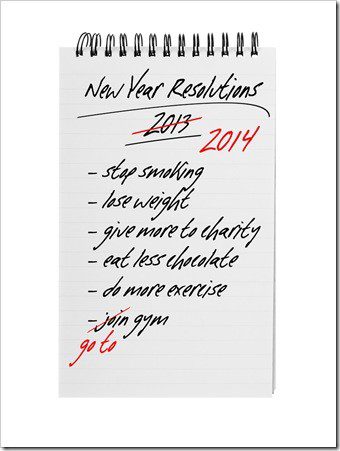
This is the time of year that we all begin to think about the new year and the resolutions of change that we will try to commit to this year.  Beginning an exercise program is generally approached in that certain way: With enthusiasm, high hopes and a positive attitude.

Then the realization kicks in. It’s hard work, it hurts, can be slightly embarrassing when you  are not as nimble or coordinated as you were back in the day and it now seems like the whole process may take a bit more sacrifice and effort than you had originally realized.

Your Choices:

  • Take the short road, by putting in 100% effort and making yourself proud as you achieve exactly what you set out to do.
  • Take the long road, which is filled with excuses because “you’re too busy right now and it can wait until you have more time” although you realize deep down that you’re afraid of getting started and that you may possibly never get to where you dream of going.
  • Sit down and give up.

Commit to Win

An idea is just a dream until you write it down, then it becomes a goal. Sit down with your personal trainer or training partner before you commence a fitness program to map out your goals and any potential obstacles that could prevent you from achieving them. You will be setting yourself up for success when you have a clearly defined goal and a map to get there.

Do not be afraid to stop and ask for directions along the way  if you find yourself losing focus. You will be surprised how many people around you would love to help you succeed on your journey.

Having accountability to someone other than yourself is vital. They can motivate you, help you over the road blocks you will run into, keeping you on the short road to fitness rather than the long road to nowhere!

We Are On Your Team!

Our team is here to help you do just that – Goal-Achieve-Win!  If you would like to commit and goal to win this next year contact our office so we can help you finally achieve those health goals.  We are ready to help you every step of the way!

Chiropractic Care Wins Gold Medals

Sports Injury New Fairfield CT

Future Olympic champions are following the steps of some of the greatest athletes on the planet.  Their training regiment now includes proper spinal alignments for optimal performance and to avoid or recover from injuries.

In today’s age of health and fitness, more and more kids are involved in sporting activities. Although being part of a football, soccer or Little League team is an important rite of passage for many children, parents and their children could be overlooking the importance of proper nutrition and body-conditioning needed for preventing injuries on and off the playing field.

“The majority, if not all, sports are good, provided that the child prepares appropriately,” says Dr. Timothy Ray, a member of the American Chiropractic Association’s Council on Sports Injuries and Physical Fitness. “Without proper preparation, playing any sport can turn into a bad experience. There are structural and physical developmental issues that need to be taken into consideration before children undertake certain sports.”

Highly competitive sports such as football, gymnastics and wrestling follow rigorous training schedules that can be potentially dangerous to an adolescent or teenager. The best advice for parents who have young athletes in the family is to help them prepare their bodies and to learn to protect themselves from sports related injuries before they happen.

“Proper warm up, stretching and strength-training exercises are essential for kids involved in sports, but many kids learn improper stretching or weight-lifting techniques, making them more susceptible to injury,” says Dr. Steve Horwitz, an ACA member from Silver Spring, MD, and former member of the U.S. Summer Olympic medical team. “Parents need to work with their kids and make sure they receive the proper sports training.”

“Young athletes should begin with a slow jog as a general warm-up, followed by a sport-specific warm-up. They should then stretch all the major muscle groups,” says Dr. Horwitz. “Kids need to be instructed in appropriate exercises for each sport to prevent injuries.”

Proper nutrition and hydration are also extremely vital. “While an ordinary person may need to drink eight to 10 8-ounce glasses of water each day, athletes need to drink even more than that for proper absorption. Breakfast should be the most important meal of the day. Also, eating a healthy meal two to four hours before a practice or a game and another within one to two hours after a game or practice allows for proper replenishment and refuels the body,” adds Dr. Horwitz.

Young athletes today often think they are invincible. The following tips can help ensure your child does not miss a step when it comes to proper fitness, stretching, training and rest that the body needs to engage in sporting activities.

Encourage your child to:

  • Wear the proper equipment. Certain contact sports, such as football and hockey, can be dangerous if the equipment is not properly fitted. Make sure all equipment, including helmets, pads and shoes fit your child or adolescent. Talk to your child’s coach or trainer if the equipment is damaged.
  • Eat healthy meals. Make sure your young athlete is eating a well-balanced diet and does not skip meals. Avoid high-fat foods, such as candy bars and fast food. At home, provide fruit rather than cookies, and vegetables rather than potato chips.
  • Maintain a healthy weight. Certain sports, such as gymnastics, wrestling and figure skating, may require your young athlete to follow strict dietary rules. Be sure your child does not feel pressured into being too thin and that he/she understands that proper nutrition and caloric intake is needed for optimal performance and endurance.
  • Drink water. Hydration is a key element to optimal fitness. Teenage athletes should drink at least eight 8-ounce glasses of water a day. Younger athletes should drink five to eight 8-ounce glasses of water.
  • Drink milk. Make sure your child has enough calcium included in his/her diet. For children over 2 years of age, ACA recommends 1 percent or skim milk rather than whole milk. Milk is essential for healthy bones and reduces the risk of joint and muscle related injuries.
  • Avoid sugar-loaded, caffeinated and carbonated drinks. Sports drinks can be a good source of replenishment for those kids engaged in long duration sports, such as track and field, but water is vital.
  • Follow a warm-up routine. Be sure your child or his/her coach includes a warm-up and stretching session before every practice, game or meet. A slow jog, jumping rope and/or lifting small weights reduces the risk of torn or ripped muscles. Flexibility is key when pushing to score that extra goal or make that critical play.
  • Take vitamins daily. A multi-vitamin and Vitamin C are good choices for the young athlete. Vitamin B and amino acids may help reduce the pain from contact sports. Thiamine can help promote healing. Also consider Vitamin A to strengthen scar tissue.
  • Avoid trendy supplements. Kids under the age of 18 should avoid the use of performance-enhancing supplements, such as creatine. Instead, they should ask their coach or trainer to include weekly weight training and body-conditioning sessions in their workout.
  • Get plenty of rest. Eight hours of sleep is ideal for the young athlete. Lack of sleep and rest can decrease performance. Sluggishness, irritability and loss of interest could indicate that your child is fatigued.

Chiropractic Care Can Help

Doctors of chiropractic are trained and licensed to treat the entire neuromusculoskeletal system and can provide advice on sports training, nutrition and injury prevention to young athletes.

Chiropractic Life and Wellness Center Skip to content