Posts Tagged ‘Pins and Needles New Fairfield CT’
Welcome to Chiropractic Life and Wellness Center's Pins and Needles New Fairfield CT Archive. Here you can learn more about Chiropractic Life and Wellness Center, Chiropractic, and Dr. Brandon Chorney, today's choice for Chiropractors in New Fairfield, CT. Read Dr. Brandon Chorney's Chiropractic Pins and Needles New Fairfield CT for the health of it.
We look forward to serving you! Call - 203-746-6543.
by Dr. Brandon Chorney | Sep 2, 2014 | Health Articles

Have you experienced sheer agony from just standing up? Walking has became labored and now avoided all together due to the immense pain that shoots down one leg or the other. Unfortunately, this description is far to common. Your condition is diagnosed most often as sciatica. It is managed by medication until the point...
Read More >>
by Dr. Brandon Chorney | Aug 7, 2014 | Health Articles
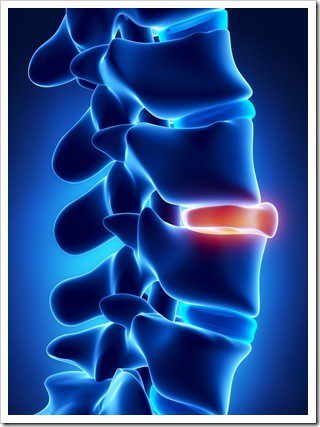
Very often patients present in our office with what they have described as a "slipped disc". As with the fairy tale of slipped discs they are also searching for the magic wand to wave and fix the severe pain that is attributed to this "slipped" disc. Thank goodness we are trained experts in helping you not...
Read More >>
by Dr. Brandon Chorney | Apr 24, 2014 | Health Articles
Our lives today have become congested and overrun with stress. The effects of stress are seen across the nation at an earlier age and with more detrimental health effects. Stress can be caused by a number of factors, both personal and professional. In most cases, though, it is the result of the difference between what we would like to happen in our lives, and what is really happening, or what we believe is happening.
Short-Term Stress
Stress that is short-term can be beneficial in that it serves to focus our attention on important matters. However, when stress becomes ongoing and chronic, it can cause immense problems for the sufferer. It can adversely affect our performance at work and elsewhere, and it can lead to a host of physical ailments, including cancer and heart disease, as it degrades our immune system and stresses our bodily functions. It can also provoke other psychological side-effects such a depression and substance abuse.
Long Term Stress
Stress is a highly personal experience, dependent on our coping mechanisms and predisposition to emotional fatigue. Some people, for example, are able to release stress by venting their aggression verbally or physically, but this is only a temporary fix.
Stress causes the body to undergo certain reactions: alarm, resistance, and exhaustion. It is not just “in the mind”; it causes genuine physical reactions, including the release of epinephrine, or adrenaline, which is our “fight or flight” hormone. It also triggers the release of glucocorticoid cortisol, or hydrocortisone, which has anti-inflammatory and immunosuppressant effects. Excessive levels of this can retard growth and healing, and increase the chance of infection. Chronic stress can lead to anxiety, hopelessness and depression.
Psychological problems often lead to pain, which research shows can be worse than that caused by strenuous physical activity or repetitive motion. Lower back pain and headaches are particularly common, and persistent pain only exacerbates the psychological problems, such as trouble with sleeping. A vicious cycle soon emerges where the stress fuels the physical which fuels the stress and so on.
Work Related Stress:
Work is a major cause of stress, and is especially prevalent since the economic crisis took hold. The risk of high blood pressure and heart disease is just one of the effects. Research has demonstrated, however, that it is often our perception of the demands placed on us that affects us more than the reality of the situation. In other words, our attitude is key. If we can control our reactions, we can reduce our stress levels and the physical effects of stress. For example, stressed individuals who react angrily at work have markedly higher levels of morning cortisol and are prone to higher blood pressure. Gender plays a large role in regards to the stress triggers and release mechanisms.
Getting Stress Relief:
With stress being so potentially damaging to our mental and physical health, our goal must be to find ways to ease the stress. However if we cannot remove the triggers, we have to change our reaction to those triggers.
Chiropractic Can Help!
Chiropractic care is proven to be a safe and highly effective treatment that not only helps alleviate tension and stress-related physical symptoms, it can help with future stress management as well.
Call and schedule an appointment today and let us help you make this your healthiest year yet!
by Dr. Brandon Chorney | Mar 11, 2014 | Health Articles
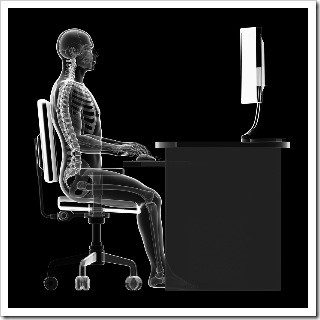
Most of us can still hear our Grandmother's voice ringing in our ears to stand up and sit up straight. We did and our health is better for the swift and frequent reminders. Unfortunately, that is an era gone by. Most of our communications are received through a small screen that we slouch and slump...
Read More >>
by Dr. Brandon Chorney | Sep 22, 2013 | Health Articles
The Occupational Health and Safety Administration (OSHA) estimates that workplace-related injuries cost businesses nearly $170 billion each year. With this kind of money at stake, it’s easy to see that maintaining your healthy workers through an Occupational Health and Safety (OHS) program can have a very high return on investment! Chiropractors can play a major role in helping companies to manage their risk and improve their productivity.
An estimated 60 to 70 percent of all workplace-related injuries involve the musculoskeletal system. Of every worker’s compensation dollar spent, 90 cents of it is used for the treatment for this type of injury. The professions which have the highest rates of musculoskeletal injury are trucking and vehicle operations, manufacturing, nursing and healthcare, and other types of work involving repetitive motion or prolonged periods of sitting.
Chiropractic Care Well-documented For Its Clinical and Economic Value
Gerard Clum, D.C., is a spokesperson for the Foundation for Chiropractic Progress (F4CP) who attended the 2013 American Occupational Health Conference (AOHC). He explained, “Doctors of chiropractic provide a conservative, patient-centered approach that is well-documented for its clinical and economic value. When included as members of occupational health teams, doctors of chiropractic can facilitate and drive reduced costs and better clinical outcomes, as well as improvements in safety, general health and communication.”
Many chiropractors have achieved their postgraduate training in occupational health and applied ergonomics. This makes them particularly valuable as members of an OHS team that may include other professionals such as occupational medical physicians, occupational nurses and human resources coordinators. Preventive medicine and risk management is becoming increasingly important with the implementation of the new Affordable Care Act, which will be progressively rolling out over the next 7 years.
Thousands of Dollars are Saved Through On-site Chiropractic Care
Among other things, chiropractors can provide on-site chiropractic care, including structural care, ergonomic improvements and advice on a workers’ lifestyle and nutrition. This can contribute to creating lower workers’ compensation premiums, a reduced rate of absence from work, and greater productivity, worker morale and employee retention. In addition, many chiropractors are certified to provide on-site DOT screenings and physical exams to employees, saving employers thousands of dollars.
Chiropractors are excellent at providing forms of preventive care, which helps to save businesses considerable amounts of money. But in addition to the financial benefit, employers benefit further by making their employees feel valued, which increases worker satisfaction.
Increased Employee Morale Leads To Higher Productivity
Daniel R. Nobbe, from Fiberteq LLC in Danville, IL, said “There are many benefits from developing a safety culture at your company – none of which is more valuable than employee loyalty. When employees know you care about their personal well-being and you prove that to them in their workplace, it increases morale, engagement, awareness, motivation and productivity.” And including a skilled chiropractor as part of the OHS team is part of this strategy.


 Our lives today have become congested and overrun with stress. The effects of stress are seen across the nation at an earlier age and with more detrimental health effects. Stress can be caused by a number of factors, both personal and professional. In most cases, though, it is the result of the difference between what we would like to happen in our lives, and what is really happening, or what we believe is happening.