Posts Tagged ‘Physical Medicine New Fairfield CT’
Welcome to Chiropractic Life and Wellness Center's Physical Medicine New Fairfield CT Archive. Here you can learn more about Chiropractic Life and Wellness Center, Chiropractic, and Dr. Brandon Chorney, today's choice for Chiropractors in New Fairfield, CT. Read Dr. Brandon Chorney's Chiropractic Physical Medicine New Fairfield CT for the health of it.
We look forward to serving you! Call - 203-746-6543.
by Dr. Brandon Chorney | Feb 14, 2023 | Health Articles
If you have been experiencing pain in your legs and feet, and have tried different treatments to no avail, then this may be the solution for you.
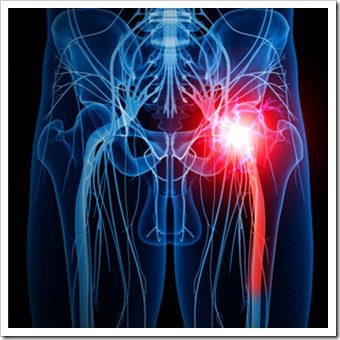
Understand The Sciatic Nerve In New Fairfield CT
Your sciatic nerve is the longest and widest nerve in your body. It starts at the lower part of your back, goes down through your buttocks, and into your legs. It controls the muscles in those areas and provides sensation to your thighs and feet. When this nerve becomes irritated it causes pain in your buttocks or lower back, and can extend down one or both legs. This painful condition is an inflammation of one or both of your sacroiliac joints – situated where your lower spine and pelvis connect. This condition is commonly known as sciatica.
How New Fairfield Residents Can Better Understand the Pain of Sciatica?
The most common symptom of sciatica is pain that follows the route of the sciatic nerve, which typically affects only one side of the body. However, there are variations in how exactly that pain is felt–including tingling, aching, burning or pins-and-needles sensations. The feeling depends on where the sciatic nerve is being affected. Some patients may also feel pins-and-needles in their toes or foot and muscle numbness/weakness in their affected leg or foot. Sciatica often manifests slowly and then increases in intensity over time; it may be aggravated by sitting down, bending over or sudden movements such as sneezing or coughing.
Sacroiliac Pain Can be Aggravated by:
- Prolonged standing
- Bearing more weight on one leg than the other
- Stair climbing
- Running
- Taking large strides
In demographic studies, it most often affects people in their thirties to fifties, and is usually a result of aging rather than an injury.
Sciatic Nerve Pain Common Causes
A traumatic injury, such as a motor vehicle accident or a fall, can cause sacroiliac joint pain. Arthritis, wear-and-tear arthritis (osteoarthritis) and ankylosing spondylitis–a type of inflammatory arthritis that affects the spine–can also cause pain in these joints. Pregnancy can cause added stress on these joints and lead to abnormal wear. Infection is rare but another possible cause. The most common cause is an injury that damages to one or more of the discs of the spine.
Top Treatment Options for Sciatica
Chiropractic treatment and other conservative care is effective for most people suffering from sciatica. Because there are many possible causes, the treatment plan will be tailored to your particular case. This may include spinal manipulation and adjustments, ice/heat therapy, ultrasound and rehabilitative exercises or spinal decompression.
Ready To Be On Your Health Team!
Join our winning healthcare team. We know just how important it is to provide our patients with balanced, healthy bodies. Each situation is unique, so we take pride in providing you with innovative solutions for your unique healthcare needs.
If you have any questions about your health or better sustainable healthcare solutions, call and make an appointment today!
by Dr. Brandon Chorney | Dec 20, 2022 | Health Articles

Buckle up, our traveling season is upon us. Despite the saying “getting there is half the fun”, planes, trains, and automobiles can put a real strain on our holiday fun this season. So let’s start this season off right, and follow these tips to survive the physically demanding prospect of traveling to your holiday destination even if your final destination is to just relax.
The Warmup
Travel should be looked on as a form of strenuous exercise that requires a period of warming up and cooling down. Warmup and stretch before you travel, and cool down with a brisk walk when you arrive to reinvigorate your hamstring and calf muscles.
Highway Miles
- Seat Comfort: Adjust the seat so you are as close to the wheel as you can be while still feeling comfortable. Keep your knees just a little bit above the hips.
- Back Support: Use a back support if the seat does not provide adequate support by design. A lumbar support will help reduce the risk of lower back pain and injury. A proper fitting support should be widest between the lowest ribs and the waist.
- Keep Alert and Avoid Stiffness: Exercise your legs while driving to keep the blood flowing and limit any swelling or pain. We recommend counting to 10 while spreading your toes wide then counting to 5 while tightening your calf muscles. Follow this process with each of mucsle groups including your thigh muscles and your glutes (butt). Don’t forget to roll your shoulders back and forward (keeping your hands on the wheel!) along with stretching your neck.
- Hands On the Wheel: Alternate holding the wheel with your hands at the 2 and 7 o’clock positions, and then the 10 and 5 o’clock positions.
- Avoid Vice Grip: Try not to grip the wheel too tightly. The vice grip will reduce your circulation and increase fatigue in the muscles of your hands, wrists and arms.
- Look Around: Vary your focal point to reduce eye strain and headaches, but keep your eyes on the road and don’t you dare text!
- Rest Stops: Take frequent breaks from driving; remember that fatigue behind the wheel can be extremely dangerous.
Sky Miles
- Onboard Luggage: Bags that are heavier than 5-10% of your body weight should ideally be checked in rather than carried on. But sometimes the added price out weighs back safety, so if lifting heavy bags into overhead compartments make sure you stand directly in front of the overhead and do not stretch or twist your back or neck when lifting.
- Another Luggage Space to Fill: Under the seat luggage should not be forced in using feet or hands while standing, which can cause muscle spasms given the confined and awkward space between the seats. Instead, sit down first, then push it in using both your hands and feet.
- Now the Ergonomically Incorrect Seats: Airline seats are incredibly spine-unfriendly. Our suggestion for long haul air travelers is that when you are investing in a neck roll to also invest in a lumbar roll. Can’t find one? Grab a small hand towel that you can roll and place in the small of your lower back.
- Keep It Moving: While traveling move about in your seat frequently to keep the blood flowing and guard against cramps and pins and needles. Massage your thighs and calves, then push up with your toes to shift your knees up and down. Use a bag to raise your feet higher.
- Air Flow: Don’t blast yourself with the overhead air vents which can cause your neck and shoulders to tense.
Car Seats and Kids:
- Use an approved car seat appropriate to the age of the child when traveling in a car.
- Infant car seats should always face rearwards so that any impact is spread around the back and shoulders and not taken directly by the neck.
- A car seat should not be used in the front seat of a car where an airbag could deploy into it. Similarly, if the rear doors or the rear of the front seats are equipped with airbags, position the child seat in the center of the rear seat to avoid it being hit by any of them.
- Secure the car seat as per instructions and make sure it is properly fixed in place and cannot shift. The seat should be at a 45-degree angle to properly support the child’s head.
- Traveling by air, take your FAA approved car seat. Small children will be safer in a car seat rather than your lap. Your back will also thank you.
Get Bonus Miles
Before you head out to your travel destination, this season make sure to add a spinal health checkup to your list of preparations! We will make sure you are in tip-top condition so you may enjoy every minute of your holiday!
by Dr. Brandon Chorney | Dec 13, 2022 | Health Articles

In our office, we strive to not only help you get well but to stay well. The best way for us to achieve this is not only taking the actions to help you get well but by explaining the “how” and “why” of how our bodies work and what we can do to maintain the results that we can help you achieve.
The Circuit Board
When an appliance in a home is not working properly, it has the potential to short circuit and causes a fire that could burn down the entire house. But thankfully, the appliance has been hardwired with a mechanism that when there is too much ‘charge’ detected; a signal relayed back to a connection where the entire power supply to the house. This location is known as the fuse or circuit breaker box. The fuse box will “blow a fuse” or simply shut off the power to the appliance and everything on that circuit supply. Therefore, no fire results and the house remains safe.
Your Body’s Circuit Board
Now if you can understand this simple analogy, I hope you can grasp how one of the processes of the most complex system in your body works – your central nervous system.
Follow along for a second. In our previous example, the power supply is your brain, the house is your body, and the fuse box and power points are your nervous system. This nervous system supplies all your organs, just as the electricity supplies the necessary energy for the appliances in the house to work.
When an appliance is not working correctly in your house, there is always a reason. The first obvious one is that the there is a problem with the power supply – either the powerpoint is not turned on, or the fuse is still blown from a previous problem. The second is that there is an issue with the appliance itself.
Now, back to our body – when a part of it is not correctly working what is your first thought? Do you ever think about the connection or power supply?
The Best Team Electricians For Your Health
Our expert team has been designed for just this reason. We want to provide our community with the care that will not only restore function but help you learn to maintain the long-lasting results you have achieved to extend the quality and life of your body.
by Dr. Brandon Chorney | Dec 6, 2022 | Health Articles

Carefully listen next time you are watching television, and a new drug is being advertised. The last 20 seconds after the sell is the long list of side effects. Wow! The effects are far worse than the condition they are treating. By comparison now, the simple over-the-counter pain relievers look virtually harmless. Unfortunately, it is...
Read More >>
by Dr. Brandon Chorney | Nov 29, 2022 | Health Articles

Are you suffering from pinched nerves? It is possible for a “Pinched” nerve to happen anywhere in your spine; they can affect nerves that go to your arms, fingers, wrist, neck, back, shoulder, head, legs, muscles, and internal organs, and can affect your general health, posture, energy level, resistance to disease – even your emotional health. “Pinched” nerves can merely put a pinch in your daily life.
Your Nervous System
There are billions of nerve fibers in your body, often arranged in bundles called nerves. Many billions of them travel inside the spinal column as part of the spinal cord and exit through openings between the vertebrae. After leaving the spinal column, the nerves separate into smaller and smaller bundles and travel to every system and organ in your body.
What If I Had No Nerves?/h3>
Without nerves, you couldn’t see, hear, touch, taste or smell. You also wouldn’t be able to feel hot, cold, pain or pleasure. Your body would be the ultimate sensory deprivation tank; you’d be completely cut off from existence. Without nerves, you would be paralyzed entirely – no muscles could move. Your body wouldn’t be able to respond to any of your commands, and you’d be a prisoner within yourself.
The Nerve Regulator
Nerves regulate your breathing, sweating, shivering, internal organ function, heartbeat, digestion, excretion, blood supply to different organs and blood pressure. Without healthy nerves, your body would be quite useless.
Why Do Pinched Nerves Occur?
When the nerves come down from the brain, they travel through a bony canal formed by vertebrae. If the vertebrae are misaligned slightly, they may cause the nerves to be irritated, compressed or stretched. Nerves send electrical impulses, or chemical nutrients, which are necessary for muscle and whole system health.
What can cause nerve pinching or impingement?
A fall or an accident, even a very mild one that happened years ago may be enough to misalign your spine. Some common causes are unnatural sleeping positions, poor posture, fatigue, dental work, a difficult birth, emotional stress, poor nutrition or a combination of them all.
Symptoms Of Pinched Nerves Manifest Differently
When the spinal column is misaligned, the entire skeletal system will become off balance, which can cause fatigue and exhaustion. When the misaligned vertebrae compress the nerves, their impulses are altered and can affect the area that the nerve is delivering the message to in the body. Over time a weakening of your body’s functions may result. This “dis-ease” sets the stage for diseases of all kinds. Some of these include ulcers, constipation, diarrhea, lung conditions such as asthma, fevers, headaches, seizures, allergies, bed-wetting, colds, hearing, vision and a host of other problems.
Do All Pinched Nerves Hurt?
Less than 10% of the nerve system can feel pain, so you don’t always know if there’s a problem.
Most people with pinched nerves are not in pain. People with painful pinched nerves might be considered the lucky ones – they know they have a problem in their spine and they (hopefully) will get themselves checked by a chiropractor.
But what about the ones without pain?
Your Pinched Nerve Solution
Our team of experts specializes in the diagnosis and treatment of “pinched” and trapped nerves. If you suffer from pinched nerves which could include the conditions of sciatica or carpal tunnel syndrome, call today and let us remove the painful pinch from your health.