Welcome to Chiropractic Life and Wellness Center's New Fairfield Joint Inflammation Archive. Here you can learn more about Chiropractic Life and Wellness Center, Chiropractic, and Dr. Brandon Chorney, today's choice for Chiropractors in New Fairfield, CT. Read Dr. Brandon Chorney's Chiropractic New Fairfield Joint Inflammation for the health of it.
We look forward to serving you! Call - 203-746-6543.
The dog days of summer are here in New Fairfield CT, and while many are enjoying sunshine and outdoor fun, others are sitting on the sidelines due to nagging pain. If you’re struggling with neck pain or a frozen shoulder, there’s good news—relief may be closer than you think.
What Is Frozen Shoulder?
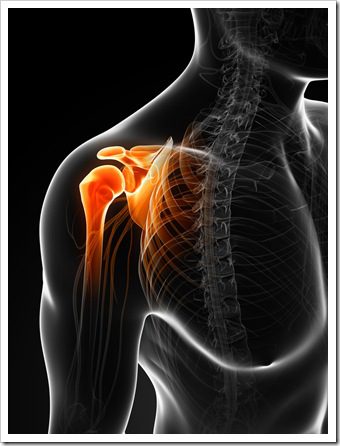
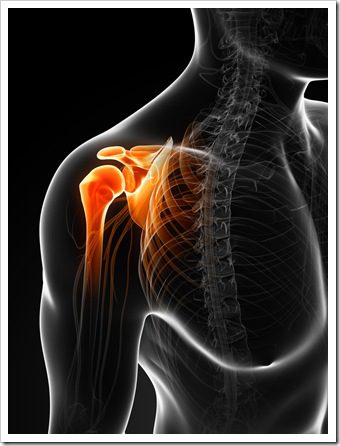
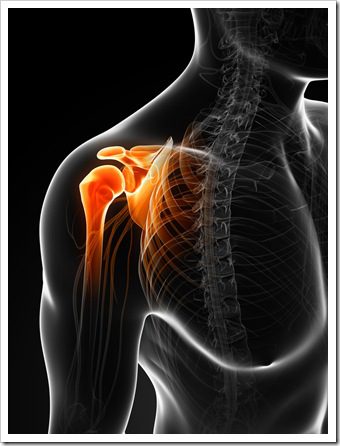
Also known as adhesive capsulitis, frozen shoulder is a condition marked by pain, stiffness, and limited range of motion in the shoulder joint. Unlike other conditions, even when a doctor or therapist tries to move the joint, the shoulder remains immobile.
The cause is often linked to inflammation or scarring within the capsule of the shoulder joint. This capsule contains ligaments that allow for movement—when inflamed, it can drastically limit function. While sometimes tied to trauma or surgery, frozen shoulder often develops gradually without any obvious trigger.
What Causes Frozen Shoulder?
Frozen shoulder may result from:
Prolonged immobility or disuse of the shoulder
Shoulder injury, surgery, or trauma
Chronic conditions like diabetes or thyroid dysfunction
Arthritis, bursitis, or cervical disc disease
Even surgeries unrelated to the shoulder—such as breast or chest procedures—can lead to frozen shoulder during recovery if mobility is restricted for too long.
Recognizing the Symptoms
The most common symptoms include:
Persistent shoulder pain
Progressive stiffness
Inability to move the arm, even when helped
The condition often starts with mild pain that discourages movement. As motion decreases, stiffness worsens—creating a cycle that ultimately leads to a frozen joint.
How Is It Diagnosed?
A complete medical history and physical exam is the first step. Your provider will assess shoulder mobility, ask about symptoms, and attempt manual manipulation of the shoulder. If movement is extremely limited, a diagnosis of frozen shoulder is made. X-rays or MRI may be used to rule out other causes, such as structural damage or scar tissue.
We Can Help at Chiropractic Life and Wellness Center in New Fairfield, CT
At Chiropractic Life and Wellness Center, our expert chiropractic team offers safe, gentle care for frozen shoulder and related neck pain. With a variety of techniques—including adjustments, mobility exercises, and personalized treatment plans—we help restore range of motion and reduce discomfort.
Don’t sit out the season. Let us help you get back in the game—feeling better, moving better, and living pain-free.
Call 203-746-6543 or visit us today to book your consultation.
Frozen shoulder, also known as adhesive capsulitis, is a condition that causes stiffness and pain in the shoulder joint. It can be a frustrating and debilitating condition that affects your daily life. In this post, we will explore the causes, symptoms, and treatment options for frozen shoulder. Causes of Frozen Shoulder The exact cause of...
Fabulous Spring is here! At this time of year, we should be in full swing and enjoying the benefits of the sun and outdoor activities. Unfortunately many of us are sitting on the bench or taking medications to play through our neck pain and what is described as a "frozen shoulder". What Exactly is...
Fabulous Spring is here! At this time of year, we should be in full swing and enjoying the benefits of the sun and outdoor activities. Unfortunately many of us are sitting on the bench or taking medications to play through our neck pain and what is described as a “frozen shoulder”.
What Exactly is A Frozen Shoulder?
A Frozen Shoulder or, Adhesive capsulitis, is a condition in which the shoulder cannot be moved normally due to pain and inflammation in the joint capsule of the shoulder. Limited range of motion not only occurs when the individual tries to move the shoulder, but even if shoulder movement is forced. The pain maybe isolated but most often it is accompanied with neck pain.
What Causes of A Frozen Shoulder?
A Frozen Shoulder is caused by inflammation, scarring or thickening that occurs within the capsule of the shoulder joint. The capsule of ligaments in the shoulder joint allows the bones in the shoulder to freely move within the joint and if this becomes inflamed, the bones in the shoulder may have difficulty moving or may not be able to move at all. In many cases, there is no known cause for the inflammation and the condition arises from lack of use of the shoulder joint, but some causes that can lead to the condition include diabetes, shoulder trauma or injury, shoulder surgery, tendonitis, bursitis, cervical disc disease, chronic inflammatory arthritis, hyperthyroidism or any type of surgery located in the chest or breast.
Could I Have A Frozen Shoulder?
The primary symptoms of a frozen shoulder are pain, stiffness and limited shoulder mobility. In most cases, the condition begins with pain that prevents you from using your shoulder and moving your arm in a normal fashion. As you cease to move your arm because of the pain or if you keep it immobilized for too long (such as by putting it in a sling), the shoulder becomes stiff and eventually you cannot perform certain functions or movements.
The main difference between a frozen shoulder and other conditions is that although other conditions may cause pain, stiffness and limited mobility, a frozen shoulder joint cannot be manually moved even by a doctor.
Diagnosing A Frozen Shoulder
The first step in diagnosing a frozen shoulder will include taking a complete medical history and physical examinations. Questions will be asked related to when the symptoms began, what activities caused the symptoms, and how limited the movement of the shoulder is. The shoulder will be examined and range of motion tests will be performed. The doctor will try to move the shoulder joint manually and if that cannot be done, a diagnosis of frozen shoulder is made. X-rays or an MRI may be ordered to determine if there is any noticeable cause of the immobility, but in most cases of frozen shoulder there are no specific findings, although shrinkage of the shoulder capsule or scar tissue may be apparent.
We Can Help!
Our Expert Team has been assembled to help our community through a variety of treatment techniques achieve the health results they desire.
Let our fantastic team help you achieve the quality of life you desire – happy and best of all pain-free!
We use cookies to ensure that we give you the best experience on our website. If you continue to use this site we will assume that you are happy with it.Accept