Welcome to Chiropractic Life and Wellness Center's New Fairfield Diet Advice Archive. Here you can learn more about Chiropractic Life and Wellness Center, Chiropractic, and Dr. Brandon Chorney, today's choice for Chiropractors in New Fairfield, CT. Read Dr. Brandon Chorney's Chiropractic New Fairfield Diet Advice for the health of it.
We look forward to serving you! Call - 203-746-6543.
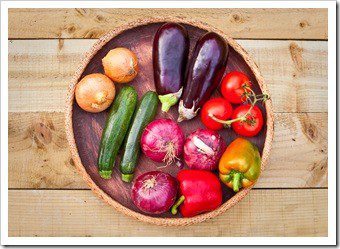
Did you know that when and how you eat your vegetables can affect how much nutrition you absorb? From garden to grocery store, nutrient levels change fast. At Chiropractic Life and Wellness Center in New Fairfield CT, we help you make informed, simple choices for maximizing nutrition—without the stress.
Fresh Is Best
As soon as vegetables are harvested, they start to lose nutrients—especially antioxidants. Eating them as close to harvest as possible ensures you’re getting the most benefit. A backyard garden is ideal, but if that’s not feasible, farmers’ markets are the next best option.
The Surprising Truth About Frozen Veggies
Frozen vegetables often retain more nutrients than store-bought “fresh” ones shipped long distances. That’s because they’re flash frozen right after harvest, preserving valuable vitamins and minerals. For example, frozen peas often outshine their “fresh” counterparts from across the country.
Raw vs. Cooked – What’s Better?
Cooking vegetables for too long can deplete their nutrients—especially water-soluble vitamins. Light steaming is often best. However, some veggies like tomatoes actually become more nutritious when cooked, thanks to increased lycopene availability.
Canned Foods – Last Resort
Canned vegetables generally lose the most nutrients due to high-heat processing. Water-soluble vitamins are especially vulnerable. If raw or frozen vegetables aren’t an option, lightly cooked canned veggies are still better than skipping them altogether.
Nutrition Doesn’t Have to Be Complicated
Healthy eating is about consistency and smart choices—not perfection. Whether you’re choosing frozen over fresh or deciding how to cook your carrots, our team is here to help you feel confident in your decisions and nourish your body well.
Have questions about nutrition, healthy habits, or meal planning in New Fairfield CT? Call Chiropractic Life and Wellness Center today at 203-746-6543 and speak with our wellness team. Your journey to better health starts here!
The way you eat your vegetables can affect the amount of nutrition you gain from them. Generally, the freshest and less processed vegetables will supply you with the most nutrients. Immediately after the harvest the nutrients in a vegetable will start to deteriorate, including the anti-oxidants. The sooner you eat a vegetable after it has...
When making any lifestyle change, whether getting started on a new dietary regimen or a new exercise program, it is always better to start by adding good or positive things first, and then discontinue the bad habits later or simply let them fall away. By taking the “add positive first” approach, there is not the...
The way you eat your vegetables can affect the amount of nutrition you gain from them. Generally, the freshest and less processed vegetables will supply you with the most nutrients. Immediately after the harvest the nutrients in a vegetable will start to deteriorate, including the anti-oxidants. The sooner you eat a vegetable after it has...
There is no better way to rejuvenate your health than by eating more nutritiously. In fact, even a few simple changes in your diet and lifestyle can have a positive impact on your health-and can also prevent a variety of health problems in the future.
The traditional coffee and doughnuts for breakfast; a hamburger for lunch-or no lunch; candy, cookies, and a soft drink for a snack; followed by a huge dinner with more protein than a person needs-are unhealthy dietary choices. As a result, younger people are starting to suffer from heart disease-not only because of poor diet, but also because of an epidemic of inactivity.
To reverse the alarming trend, many doctors of chiropractic urge patients to stop smoking, eat a balanced diet, drink plenty of water, exercise regularly, and augment their balanced diet with appropriate nutritional supplements.
What Can You Do?
The ACA offers the following prevention and wellness advice:
Lifestyle Changes
Exercise at least 20 to 30 minutes three or four days a week.
Eat out more sparingly. Food preparation methods in restaurants often involve high amounts-and the wrong types-of fat and sugar.
Brown-bag your lunch to control your fat and sugar content while adding nutritious fruits, vegetables, and grains.
Limit your intake of alcohol and quit smoking. Drinking alcohol excessively and/or smoking hinder your body’s ability to absorb nutrients from your food.
Dietary Changes
Eat more raw foods. Cooking and canning destroys much of the nutrition in foods. With the exception of canned tomatoes, which can help prevent prostate cancer,1 fresh or frozen fruits and vegetables always have more natural vitamins and minerals.
Select organically grown foods when possible, because they have lower amounts of toxic elements, such as pesticides and heavy metals.
Consume 25 to 30 grams of fiber a day. Whole-grain breads and cereals, beans, nuts, and some fruits and vegetables are good sources of fiber. High-fiber diets can help prevent digestive disorders, heart disease, and colon cancer.
Drink eight to ten 8-ounce glasses of water a day. Coffee, tea, soft drinks, and alcohol are dehydrators. Don’t substitute them for water.
Vegetarian Diets
Research shows that a good vegetarian diet as part of a comprehensive health program can help prevent heart disease, cancer, and other diseases.2,3 However, fried foods, hydrogenated fats, and commercial meat substitutes may contain more sugar and fat than a meat-eater would consume.
If you are considering a vegetarian diet, keep the following tips in mind:
Don’t rely on fruits and vegetables at the expense of grains and legumes. Eat a variety of fruits and vegetables to consume a wide range of nutrients.
Tiredness, malaise, and anemia can be signs of deficiencies. Have your B12 and iron levels checked at least once a year.
Consume fortified foods or take supplements to obtain the nutrients you no longer get from animal-based products, such as vitamin B12.
Before eliminating animal products from the diet, learn to do it right. Children, pregnant and breast-feeding women, and people recovering from illness should consult their health care practitioners.
Supplements
According to the U.S. Food and Drug Administration, dietary supplements are not substitutes for foods, nor can a person sustain good health by just taking vitamin and mineral supplements.4 When taken properly, however, supplements can play an important role in achieving maximum health. If you are considering nutritional supplements, keep the following tips in mind:
Remember to consume dark green vegetables, oils, nuts, and seeds, which are sources of magnesium, fatty acids, and many other vitamins and minerals.
Don’t "self-prescribe." Consult a health care practitioner, such as a doctor of chiropractic, to determine what supplements are best for you. If you have symptoms such as headaches, chronic fatigue, or cardiac problems, seek professional advice from a health care provider who specializes in nutrition.
References
Pohar KS, Gong MC, Bahnson R, Miller EC, Clinton SK. Tomatoes, lycopene and prostate cancer: a clinician’s guide for counseling those at risk for prostate cancer. World J Urol. 2003 May;21(1):9-14. Epub 2003 Mar 22.
Beilin LJ. Vegetarian and other complex diets, fats, fiber, and hypertension. Am J Clin Nutr. 1994;59(suppl):1130-1135.
Dwyer JT. Health aspects of vegetarian diets. Am J Clin Nutr. 1988;48(suppl):712-738.
We use cookies to ensure that we give you the best experience on our website. If you continue to use this site we will assume that you are happy with it.Accept