Posts Tagged ‘New Fairfield CT TMJ Relief’
Welcome to Chiropractic Life and Wellness Center's New Fairfield CT TMJ Relief Archive. Here you can learn more about Chiropractic Life and Wellness Center, Chiropractic, and Dr. Brandon Chorney, today's choice for Chiropractors in New Fairfield, CT. Read Dr. Brandon Chorney's Chiropractic New Fairfield CT TMJ Relief for the health of it.
We look forward to serving you! Call - 203-746-6543.
by Dr. Brandon Chorney | Feb 17, 2026 | Health Articles

Jaw pain, clicking, and tightness can take a serious toll on your daily life—and if you’re experiencing symptoms like these, you may be dealing with TMD (temporomandibular joint disorder). At , we specialize in helping New Fairfield CT residents find lasting relief from TMD symptoms through gentle, effective chiropractic care. Signs You May Have TMD...
Read More >>
by Dr. Brandon Chorney | Feb 10, 2026 | Health Articles

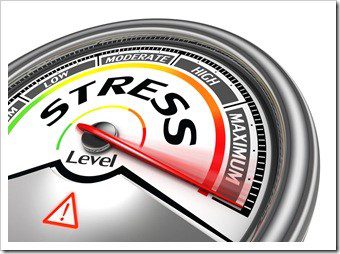
Life in New Fairfield CT can move fast—and with it comes stress. From work deadlines to family responsibilities and health challenges, the pressure can stack up quickly. But what if your stress is trying to tell you something? Your "stress-o-meter" may be flashing red—and it’s time to listen. The Real Cost of Stress Short bursts...
Read More >>
by Dr. Brandon Chorney | Apr 23, 2020 | Health Articles

Does your jaw ache when you chew, or open your mouth wide to yawn? Do you suffer from pain or soreness in the front of your ear, in your jaw muscle, cheek, your teeth or your temples? Do your teeth throb or cause you pain? Do your jaws make clicking sounds loud enough to worry...
Read More >>
by Dr. Brandon Chorney | Apr 16, 2020 | Health Articles

Our lives today have become congested and over run with stress. The effects of stress are seen across the nation at an earlier age and with more detrimental health effects. Stress can be caused by a number of factors, both personal and professional. In most cases, though, it is the result of the difference between what we would like to happen in our lives, and what is really happening, or what we believe is happening.
Short Term Stress
Stress that is short term can be beneficial in that it serves to focus our attention on important matters. However, when stress becomes ongoing and chronic, it can cause immense problems for the sufferer. It can adversely affect our performance at work and elsewhere, and it can lead to a host of physical ailments, including cancer and heart disease, as it degrades our immune system and stresses our bodily functions. It can also provoke other psychological side-effects such a depression and substance abuse.
Long Term Stress
Stress is a highly personal experience, dependent on our coping mechanisms and predisposition to emotional fatigue. Some people, for example, are able to release stress by venting their aggression verbally or physically, but this is only a temporary fix.
Stress causes the body to undergo certain reactions: alarm, resistance, and exhaustion. It is not just “in the mind”; it causes genuine physical reactions, including the release of epinephrine, or adrenaline, which is our “fight or flight” hormone. It also triggers the release of glucocorticoid cortisol, or hydrocortisone, which has anti-inflammatory and immunosuppressant effects. Excessive levels of this can retard growth and healing, and increase the chance of infection. Chronic stress can lead to anxiety, hopelessness and then depression.
Psychological problems often lead to pain, which research shows can be worse than that caused by strenuous physical activity or repetitive motion. Lower back pain and headaches are particularly common, and persistent pain only exacerbates the psychological problems, such as trouble sleeping. A vicious cycle soon emerges where the stress fuels the physical which fuels the stress and so on.
Work Related Stress:
Work is a major cause of stress, and is especially prevalent since the economic crisis took hold. The risk of high blood pressure and heart disease is just one effect seen. Research has demonstrated, however, that it is often our perception of the demands placed on us that affects us more than the reality of the situation. In other words, our attitude is key. If we can control our reactions, we can reduce our stress levels and the physical effects of stress. For example, stressed individuals who react angrily at work have markedly higher levels of morning cortisol and are prone to higher blood pressure. Gender plays a large role in regards to the stress triggers and release mechanisms.
Getting Stress Relief:
With stress being so potentially damaging to our mental and physical health, our goal must be to find ways to ease the stress. However if we cannot remove the triggers, we have to change our reaction to those triggers.
Chiropractic Can Help!
Chiropractic has been proven to be a safe and highly effective treatment to not only help alleviate the tension and stress related physical symptoms but our team is here to help you prepare your body for future stress management.
Step into the New Year Strong! Call and schedule an appointment today and let us help you make 2014 your Best Year Yet!
by Dr. Brandon Chorney | Jan 21, 2014 | Health Articles

Does your jaw ache when you chew, or open your mouth wide to yawn? Do you suffer from pain or soreness in the front of your ear, in your jaw muscle, cheek, your teeth or your temples? Do your teeth throb or cause you pain? Do your jaws make clicking sounds loud enough to worry or bother you? Do you find it a challenge to open your mouth wide? Does your jaw ever lock up as you open it?
If your answer is “yes” to a few of these questions, you may have a temporomandibular joint disorder, or TMD. TMD is a group of conditions, which often cause pain, that affect the jaw joint.
Signs may include:
- Increasing pain in the face, neck, or shoulders;
- Limited movement or locking of the jaw;
- Painful clicking or grating when opening or closing the mouth;
- A substantial difference in the way the upper and lower teeth fit together;
- An Often occurrence of Headaches, earaches, dizziness, hearing problems and difficulty swallowing.
Pain or discomfort in the jaw muscles or joints is usually temporary for most people. The discomfort often occurring in cycles, and resolving once you stop moving the area. Some people with TMD pain, however, can develop chronic symptoms. Your Doctor of Chiropractic can help you establish whether your pain is due to TMD and can provide the proper treatment if needed.
Why Does TMD Occur?
Researchers agree that TMD falls into three categories:
- Myofascial pain – a discomfort or an ache in the muscles of the jaw, neck, and shoulders;
- A dislocated jaw or displaced disc;
- Degenerative joint disease – rheumatoid arthritis or osteoarthritis in the jaw joint.
Serious injury to the jaw is a leading cause of TMD. For instance, anything from a blow to the jaw during a sporting activity to repetitive overuse, such as chewing gum excessively or chewing on one side of the mouth too often, may cause TMD.
Both physical and emotional stress can lead to TMD, as well. The once common process of sitting in a dentist’s chair for several hours with the mouth wide open may have been partly responsible to TMD in the past. Now, most dentists are aware that this is harmful behavior for the jaw. Not only are they now taking breaks while they do dental work, but today’s dentists scan patients for any weaknesses in the jaw structure that would cause physical injury if they keep their mouths open very long. In case of this, they may use medications during the procedure to reduce the injury potential, or they may send the patient to physical therapy directly after treatment. In less severe cases, they guide patients through exercises they can do at home to loosen up the joint after the visit.
While emotional stress itself is not usually the root cause of TMD, the body’s reactions to the stress can be. When people are under psychological stress, they may clench their teeth, which can be a major factor in their TMD.
Some conditions once thought of as causes of TMD have been dismissed—moderate gum chewing, non-painful jaw clicking, orthodontic treatment (when it does not involve opening of the mouth for an extended amount of time, as mentioned above), and upper and lower jaws that have never fit together well. Popular theory now holds that while these may be trigger provoke TMD, they are not causes.
Research has shown women experience TMD four times more often than men. Posture and higher heels may contribute to this higher percentage.
Treating and Diagnosing TMD
Diagnosing or ruling out TMD is not difficult. Your Doctor of Chiropractic (DC) will possibly ask you to gently bite down on three of your fingers. You may also be asked to open and close your mouth repeatedly while the doctor monitors the dimensions of the jaw joint and the balance of the muscles also. If you have no problems while doing these things, then the problem is not likely to be TMD. Your Chiropractor can then look for signs of inflammation and any abnormalities. Although simple, sometimes special imaging, an x-ray or an MRI may be needed to help confirm the diagnosis.
If you have TMD, your doctor may recommend Chiropractic treatment, massage, applying heat/ice and special exercises. In most cases, your Chiropractor’s first target is to relieve symptoms, in particular pain. If your Doctor of Chiropractic feels that you need special appliances (with the exception of guards against teeth grinding), he or she will refer you to an orthodontist for co-management.
Along with treatment, your Chiropractor can teach you how to:
- Lessen the pain through heat and ice packs. Like all muscles, ice is recommended shortly after the injury or after your pain has started. In the later stages of healing, switching to heat is important, especially if you are still experiencing discomfort.
- Avoid more damage through joint movements. For instance, chomping into a hard apple is just as bad as crunching into hard candy. Some food require opening the mouth too wide which has destabilizing effect on the jaw.
Perform exercises that are TMD-specific . Depending on your symptoms and condition, your Chiropractor will most likely recommend stretching or strengthening exercises. Stretching helps loosen tight muscles and strengthening helps tighten loose muscles. If needed, special feedback sensors in the jaw can be retrained.