Posts Tagged ‘New Fairfield CT Physical Rehabilitation’
Welcome to Chiropractic Life and Wellness Center's New Fairfield CT Physical Rehabilitation Archive. Here you can learn more about Chiropractic Life and Wellness Center, Chiropractic, and Dr. Brandon Chorney, today's choice for Chiropractors in New Fairfield, CT. Read Dr. Brandon Chorney's Chiropractic New Fairfield CT Physical Rehabilitation for the health of it.
We look forward to serving you! Call - 203-746-6543.
by Dr. Brandon Chorney | Feb 28, 2023 | Health Articles, Uncategorized

Are you sitting on the sideline for some of your favorite activities due to a shoulder injury that is making many routine activities challenging and painful? Or have you played through telling yourself it will heal or you will address later? Be warned! It could be an injury to your rotator cuff! Your shoulder injury...
Read More >>
by Dr. Brandon Chorney | Feb 14, 2023 | Health Articles
If you have been experiencing pain in your legs and feet, and have tried different treatments to no avail, then this may be the solution for you. Understand The Sciatic Nerve In New Fairfield CT Your sciatic nerve is the longest and widest nerve in your body. It starts at the lower part of your...
Read More >>
by Dr. Brandon Chorney | Feb 24, 2022 | Health Articles
Are you sitting on the sideline for some of your favorite activities due to a shoulder injury that is making many routine activities challenging and painful? Or have you played through telling yourself it will heal or you will address later? Be warned! It could be an injury to your rotator cuff! Your shoulder injury...
Read More >>
by Dr. Brandon Chorney | Feb 10, 2022 | Health Articles
Does every step you take cause you pain that radiates down your leg or legs? Have you become depressed with the pain or been through a series of pain injections to block this pain?
If so, read on.
Understanding A Cause – The Sciatic Nerve
Your sciatic nerve is the longest and widest nerve in your body, and runs from the lower back, down through the buttock, and all the way into the lower leg, where it controls the muscles in that area. It provides sensation to the thighs, legs, and the soles of the feet. When the sciatic nerve becomes irritated, it causes pain in your buttocks or lower back and can extend down one or both legs.
This painful condition is an inflammation of one or both of your sacroiliac joints – situated where your lower spine and pelvis connect.
This condition is commonly known as sciatica.
Could I Have Sciatica?
The most prominent symptom that you are suffering sciatic pain is when it follows the route of the sciatic nerve, as previously described, and is typically apparent only on one side of the body. However, there are variations in how exactly that pain is felt, including tingling, aching, burning, or pins and needles. The feeling depends on where the sciatic nerve is being affected.
Some patients may also feel pins-and-needles in the toes or foot or muscle numbness/weakness in the affected leg or foot. More often than not, sciatica first manifests slowly, then increases in intensity, often being accentuated after sitting, bending, or sudden movements such as sneezing or coughing.
Sacroiliac nerve pain can be aggravated by:
- Prolonged standing
- Bearing more weight on one leg than the other
- Stair climbing
- Running
- Taking large strides
In demographic studies, it most often affects persons thirty to fifty years old and is most commonly a result of general wear and tear, rather than an injury.
Common Causes of Sciatic Nerve Disfunction
- Traumatic injury. A sudden impact, such as a motor vehicle accident or a fall.
- Arthritis. Wear-and-tear arthritis (osteoarthritis) can occur in sacroiliac joints, as can ankylosing spondylitis — a type of inflammatory arthritis that affects the spine.
- Pregnancy. The sacroiliac joints must loosen and stretch to accommodate childbirth. The added weight and altered gait during pregnancy can cause additional stress on these joints and can lead to abnormal wear.
- Infection. In rare cases, the sacroiliac joint can become infected.
Top Choices For Treatment
Conservative care, including chiropractic treatment, is a very effective solution for most people suffering sciatic pain. As there is an array of possible causes of sciatica, treatment plans will be individually tailored depending on what the practitioner finds in your particular case.
Conservative, non-surgical care, may also include one or the combination of spinal manipulation and adjustments, the application of ice/heat therapy, ultrasound, use of a TENS machine, and rehabilitative exercises, or spinal decompression.
Ready To Be On Your Health Team!
Join our winning healthcare team. We know just how important it is to provide our patients with balanced, healthy bodies. Each situation is unique, so we take pride in providing you with innovative solutions for your unique healthcare needs.
If you have any questions about your health or better sustainable healthcare solutions, call and make an appointment today!
by Dr. Brandon Chorney | Feb 25, 2021 | Health Articles
Are you sitting on the sideline for some of your favorite activities due to a shoulder injury that is making many routine activities challenging and painful? Or have you played through telling yourself it will heal or you will address later? Be warned! It could be an injury to your rotator cuff! Your shoulder injury...
Read More >>


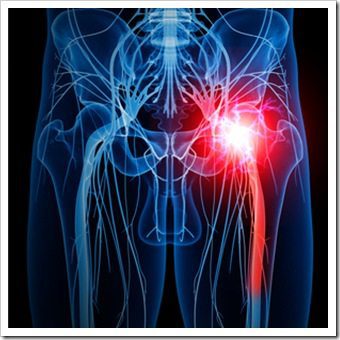 Does every step you take cause you pain that radiates down your leg or legs? Have you become depressed with the pain or been through a series of pain injections to block this pain?