Posts Tagged ‘New Fairfield CT Chiropractors’
Welcome to Chiropractic Life and Wellness Center's New Fairfield CT Chiropractors Archive. Here you can learn more about Chiropractic Life and Wellness Center, Chiropractic, and Dr. Brandon Chorney, today's choice for Chiropractors in New Fairfield, CT. Read Dr. Brandon Chorney's Chiropractic New Fairfield CT Chiropractors for the health of it.
We look forward to serving you! Call - 203-746-6543.
by Dr. Brandon Chorney | Nov 20, 2012 | Health Articles

People often talk about the importance of growing old gracefully, but that’s made a lot harder if you’re not also growing old healthily. In fact, if you are healthy, you could grow old disgracefully, and it would be a lot more fun. But seriously, we have an aging population. Today, there are far more older...
Read More >>
by Dr. Brandon Chorney | Oct 4, 2012 | Health Articles
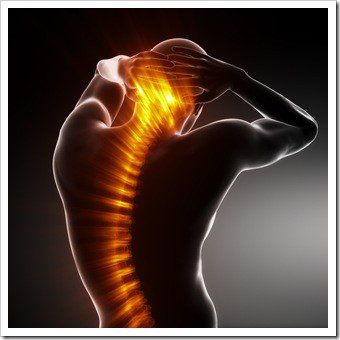
Whiplash is a generic term applied to injuries of the neck caused when the neck is suddenly and/or violently jolted in one direction and then another, creating a whip-like movement. Whiplash is most commonly seen in people involved in motor vehicle accidents, but it can also occur from falls, sports injuries, work injuries, and other...
Read More >>
by Dr. Brandon Chorney | Sep 13, 2012 | Health Articles
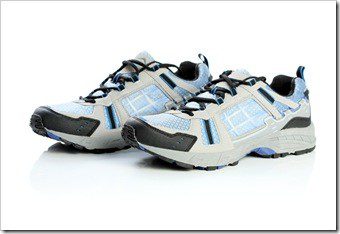
Too many people choose fashion over function when purchasing athletic shoes, not realizing that poor-fitting shoes can lead to pain throughout the body. Because footwear plays such an important role in the function of bones and joints—especially for runners and other athletes—choosing the right shoe can help prevent pain in your back, hips, knees, and feet.
Unfortunately, there is no such thing as the very best athletic shoe—every pair of feet is different, every shoe has different features, and overall comfort is a very personal decision. For this reason, it is recommended that you first determine your foot type: normal, flat, or high-arched.
The Normal Foot
Normal feet have a normal-sized arch and will leave a wet footprint that has a flare, but shows the forefoot and heel connected by a broad band. A normal foot lands on the outside of the heel and rolls slightly inward to absorb shock.
Best shoes: Stability shoes with a slightly curved shape.
The Flat Foot
This type of foot has a low arch and leaves a print that looks like the whole sole of the foot. It usually indicates an over-pronated foot—one that strikes on the outside of the heel and rolls excessively inward (pronates). Over time, this can cause overuse injuries.
Best shoes: Motion-control shoes or high-stability shoes with firm midsoles. These shoes should be fairly resistant to twisting or bending. Stay away from highly cushioned, highly curved shoes, which lack stability features.
The High-Arched Foot
The high-arched foot leaves a print showing a very narrow band—or no band at all—between the forefoot and the heel. A curved, highly arched foot is generally supinated or under-pronated. Because the foot doesn’t pronate enough, usually it’s not an effective shock absorber.
Best shoes: Cushioned shoes with plenty of flexibility to encourage foot motion. Stay away from motion-control or stability shoes, which reduce foot mobility.
When determining your foot type, consult with your doctor of chiropractic. He or she can help determine your specific foot type, assess your gait, and then suggest the best shoe match.
Shoe Purchasing Tips
Consider the following tips before you purchase your next pair of athletic shoes:
- Match the shoe to the activity. Select a shoe specific for the sport in which you will participate. Running shoes are primarily made to absorb shock as the heel strikes the ground. In contrast, tennis shoes provide more side-to-side stability. Walking shoes allow the foot to roll and push off naturally during walking, and they usually have a fairly rigid arch, a well-cushioned sole, and a stiff heel support for stability.
- If possible, shop at a specialty store. It’s best to shop at a store that specializes in athletic shoes. Employees at these stores are often trained to recommend a shoe that best matches your foot type (shown above) and stride pattern.
- Shop late in the day. If possible, shop for shoes at the end of the day or after a workout when your feet are generally at their largest. Wear the type of socks you usually wear during exercise, and if you use orthotic devices for postural support, make sure you wear them when trying on shoes.
- Have your feet measured every time. It’s important to have the length and width of both feet measured every time you shop for shoes, since foot size often changes with age and most people have 1 foot that is larger than the other. Also, many podiatrists suggest that you measure your foot while standing in a weight bearing position because the foot elongates and flattens when you stand, affecting the measurement and the fit of the shoe.
- Make sure the shoe fits correctly. Choose shoes for their fit, not by the size you’ve worn in the past. The shoe should fit with an index finger’s width between the end of the shoe and the longest toe. The toe box should have adequate room and not feel tight. The heel of your foot should fit snugly against the back of the shoe without sliding up or down as you walk or run. If possible, keep the shoe on for 10 minutes to make sure it remains comfortable.
How Long Do Shoes Last?
Once you have purchased a pair of athletic shoes, don’t run them into the ground. While estimates vary as to when the best time to replace old shoes is, most experts agree that between 300 and 500 miles is optimal. In fact, most shoes should be replaced even before they begin to show signs of moderate wear. Once shoes show wear, especially in the cushioning layer called the midsole, they also begin to lose their shock absorption. Failure to replace worn shoes is a common cause of injuries like shin splints, heel spurs, and plantar fasciitis.
by Dr. Brandon Chorney | Aug 23, 2012 | Health Articles
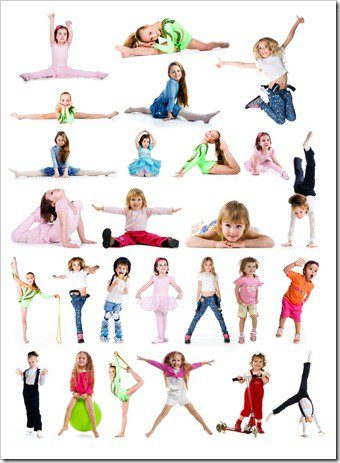
In today’s age of health and fitness, more and more kids are involved in sporting activities. Although being part of a football, soccer or Little League team is an important rite of passage for many children, parents and their children could be overlooking the importance of proper nutrition and body-conditioning needed for preventing injuries on and off the playing field.
“The majority, if not all, sports are good, provided that the child prepares appropriately,” says Dr. Timothy Ray, a member of the American Chiropractic Association’s Council on Sports Injuries and Physical Fitness. “Without proper preparation, playing any sport can turn into a bad experience. There are structural and physical developmental issues that need to be taken into consideration before children undertake certain sports.”
Highly competitive sports such as football, gymnastics and wrestling follow rigorous training schedules that can be potentially dangerous to an adolescent or teenager. The best advice for parents who have young athletes in the family is to help them prepare their bodies and to learn to protect themselves from sports related injuries before they happen.
“Proper warm up, stretching and strength-training exercises are essential for kids involved in sports, but many kids learn improper stretching or weight-lifting techniques, making them more susceptible to injury,” says Dr. Steve Horwitz, an ACA member from Silver Spring, MD, and former member of the U.S. Summer Olympic medical team. “Parents need to work with their kids and make sure they receive the proper sports training.”
“Young athletes should begin with a slow jog as a general warm-up, followed by a sport-specific warm-up. They should then stretch all the major muscle groups,” says Dr. Horwitz. “Kids need to be instructed in appropriate exercises for each sport to prevent injuries.”
Proper nutrition and hydration are also extremely vital. “While an ordinary person may need to drink eight to 10 8-ounce glasses of water each day, athletes need to drink even more than that for proper absorption. Breakfast should be the most important meal of the day. Also, eating a healthy meal two to four hours before a practice or a game and another within one to two hours after a game or practice allows for proper replenishment and refuels the body,” adds Dr. Horwitz.
Young athletes today often think they are invincible. The following tips can help ensure your child does not miss a step when it comes to proper fitness, stretching, training and rest that the body needs to engage in sporting activities.
Encourage your child to:
- Wear the proper equipment. Certain contact sports, such as football and hockey, can be dangerous if the equipment is not properly fitted. Make sure all equipment, including helmets, pads and shoes fit your child or adolescent. Talk to your child’s coach or trainer if the equipment is damaged.
- Eat healthy meals. Make sure your young athlete is eating a well-balanced diet and does not skip meals. Avoid high-fat foods, such as candy bars and fast food. At home, provide fruit rather than cookies, and vegetables rather than potato chips.
- Maintain a healthy weight. Certain sports, such as gymnastics, wrestling and figure skating, may require your young athlete to follow strict dietary rules. Be sure your child does not feel pressured into being too thin and that he/she understands that proper nutrition and caloric intake is needed for optimal performance and endurance.
- Drink water. Hydration is a key element to optimal fitness. Teenage athletes should drink at least eight 8-ounce glasses of water a day. Younger athletes should drink five to eight 8-ounce glasses of water.
- Drink milk. Make sure your child has enough calcium included in his/her diet. For children over 2 years of age, ACA recommends 1 percent or skim milk rather than whole milk. Milk is essential for healthy bones and reduces the risk of joint and muscle related injuries.
- Avoid sugar-loaded, caffeinated and carbonated drinks. Sports drinks are a good source of replenishment for those kids engaged in long duration sports, such as track and field.
- Follow a warm-up routine. Be sure your child or his/her coach includes a warm-up and stretching session before every practice, game or meet. A slow jog, jumping rope and/or lifting small weights reduces the risk of torn or ripped muscles. Flexibility is key when pushing to score that extra goal or make that critical play.
- Take vitamins daily. A multi-vitamin and Vitamin C are good choices for the young athlete. Vitamin B and amino acids may help reduce the pain from contact sports. Thiamine can help promote healing. Also consider Vitamin A to strengthen scar tissue.
- Avoid trendy supplements. Kids under the age of 18 should avoid the use of performance-enhancing supplements, such as creatine. Instead, they should ask their coach or trainer to include weekly weight training and body-conditioning sessions in their workout.
- Get plenty of rest. Eight hours of sleep is ideal for the young athlete. Lack of sleep and rest can decrease performance. Sluggishness, irritability and loss of interest could indicate that your child is fatigued.
Chiropractic Care Can Help
Doctors of chiropractic are trained and licensed to treat the entire neuromusculoskeletal system and can provide advice on sports training, nutrition and injury prevention to young athletes.
by Dr. Brandon Chorney | Aug 21, 2012 | Health Articles
Years ago, doctors hardly ever told rheumatoid arthritis patients to "go take a hike" or "go for a swim." Arthritis was considered an inherent part of the aging process and a signal to a patient that it's time to slow down. But not so anymore. Recent research and clinical findings show that there is much...
Read More >>