Posts Tagged ‘New Fairfield CT Back Pain’
Welcome to Chiropractic Life and Wellness Center's New Fairfield CT Back Pain Archive. Here you can learn more about Chiropractic Life and Wellness Center, Chiropractic, and Dr. Brandon Chorney, today's choice for Chiropractors in New Fairfield, CT. Read Dr. Brandon Chorney's Chiropractic New Fairfield CT Back Pain for the health of it.
We look forward to serving you! Call - 203-746-6543.
by Dr. Brandon Chorney | May 31, 2016 | Health Articles

Summer vacation is near! The excitement of warm weather and the well-needed break from school or work is upon us. As the last school bell rings or the final confirmation of your travel plans arrives to make sure you not only pack accordingly but prepare with these simple tips so you may enjoy the most of...
Read More >>
by Dr. Brandon Chorney | Nov 10, 2015 | Health Articles
Basketball season is upon us! Whether we play professionally, for a school team, or for fun, it’s time to stop defending the back court and invest in the proper shoes to avoid future injuries. This way we can make the slam dunk of the season – without any lasting consequences.
The majority of people choose fashion over function when purchasing athletic shoes. This can lead to poor fitting shoes which will not only leave you with painful feet at the end of the day, but pain throughout your body too. Because footwear plays such an important role in the function of bones and joints—especially for runners and other athletes—choosing the right shoe can help prevent pain in your back, hips, knees, and feet.
Unfortunately, there is no such thing as the perfect athletic shoe—every pair of feet is different, every shoe has different features, and overall comfort is a very personal decision. For this reason, it is recommended that you first determine your foot type: normal, flat, or high-arched.
The Normal Foot
Normal feet have a normal-sized arch and will leave a wet footprint that has a flare, but shows the forefoot and heel connected by a broad band. A normal foot lands on the outside of the heel and rolls slightly inward to absorb shock. Best shoes: Stability shoes with a slightly curved shape.
The Flat Foot
This type of foot has a low arch and leaves a print that looks like the whole sole of the foot. It usually indicates an over-pronated foot—one that strikes on the outside of the heel and rolls excessively inward (pronates). Over time, this can cause overuse injuries. Best shoes: Motion-control shoes or high-stability shoes with firm midsoles. These shoes should be fairly resistant to twisting or bending. Stay away from highly cushioned, highly curved shoes, which lack stability features.
The High-Arched Foot
The high-arched foot leaves a print showing a very narrow band—or no band at all—between the forefoot and the heel. A curved, highly arched foot is generally supinated or under-pronated. Because the foot doesn’t pronate enough, usually it’s not an effective shock absorber. Best shoes: Cushioned shoes with plenty of flexibility to encourage foot motion. Stay away from motion-control or stability shoes, which reduce foot mobility. When determining your foot type, consult with a chiropractor and their amazing team. He or she can help determine your specific foot type, assess your gait, and then suggest the best shoe match.
Tips To Help You Win The Game
Consider the following tips before you purchase your next pair of athletic shoes:
- Match the shoe to the activity. Select a shoe specific for the sport in which you will participate. Running shoes are primarily made to absorb shock as the heel strikes the ground. In contrast, tennis shoes provide more side-to-side stability. Walking shoes allow the foot to roll and push off naturally during walking, and they usually have a fairly rigid arch, a well-cushioned sole, and a stiff heel support for stability.
- If possible, shop at a specialty store. It’s best to shop at a store that specializes in athletic shoes. Employees at these stores are often trained to recommend a shoe that best matches your foot type (shown above) and stride pattern.
- Shop late in the day. If possible, shop for shoes at the end of the day or after a workout when your feet are generally at their largest. Wear the type of socks you usually wear during exercise, and if you use orthotic devices for postural support, make sure you wear them when trying on shoes.
- Have your feet measured every time. It’s important to have the length and width of both feet measured every time you shop for shoes, since foot size often changes with age and most people have 1 foot that is larger than the other. Also, many podiatrists suggest that you measure your foot while standing in a weight bearing position because the foot elongates and flattens when you stand, affecting the measurement and the fit of the shoe.
- Make sure the shoe fits correctly. Choose shoes for their fit, not by the size you’ve worn in the past. The shoe should fit with an index finger’s width between the end of the shoe and the longest toe. The toe box should have adequate room and not feel tight. The heel of your foot should fit snugly against the back of the shoe without sliding up or down as you walk or run. If possible, keep the shoe on for 10 minutes to make sure it remains comfortable.
When Should I Invest In A New Pair?
Once you have purchased a pair of athletic shoes, don’t run them into the ground. While estimates vary as to when the best time to replace old shoes is, most experts agree that between 300 and 500 miles is optimal. In fact, most shoes should be replaced even before they begin to show signs of moderate wear. Once shoes show wear, especially in the cushioning layer, the midsole, they also begin to lose their shock absorption. Failure to replace worn shoes is one of the leading causes of injuries like shin splints, heel spurs, and plantar fasciitis.
Questions?
Our team wants to help you win on and off the court. Call us and let us help you slam dunk a victory in better health!
by Dr. Brandon Chorney | Sep 15, 2015 | Health Articles
The excitement of fall is here! Our senses come alive again as many of us are beginning to enjoy the beautiful and majestic colors displayed on our trees this autumn season. As we know, this beauty is brief for the trees soon lose their leaves and decorate our lawns with piles of wonderful and less exciting dead debris. That beauty also comes at a price for our back, neck, and shoulders as we sweep, gather, and dispose of the leaves more than once this season. So if your home is subjected to leaves falling each year, follow these helpful tips and avoid the consequences of leaf-raking on the body, including strain and pain in the neck, the upper and lower back, and the shoulders.
Top Notch Lawn Care Tips:
- Stretch before you commence work, and throughout, performing knee-to-chest stretches, trunk rotations, and side bends with hands above the head, palms up and fingers weaved. Spend 10 to 15 minutes all together on your stretching. Intersperse the work with a short walk to get the circulation going throughout the body, and do the same stretches as a cool-down once you have finished.
- As you rake, stand erect with your head held up.
- Use a “scissors” stance when raking; that is, keep one foot forward for a few minutes, then swap and put the back foot forwards.
- When bending to pick up leaves or any other trash, bend at the knees not the waist.
- When mowing the lawn, put your whole body into the pushing, not just your arms and back.
- When starting a mower with a pull cord, bend at the knees and extend up in a smooth motion. Do not twist at the waist or yank at the cord.
- Keep well-hydrated by drinking plenty of water, and wear a hat in the sun. Always wear shoes and protective glasses, and use gloves if your hands are likely to receive rough treatment that might raise blisters. When using loud machinery, employ ear-protectors, and if you suffer from asthma or allergies, use a mask.
- Try to use ergonomically-friendly tools that help take the strain from your muscles and joints.
- An ice-pack can be used to ease any discomfort you feel following raking or other outdoor work.
Pile in the Benefits!
Enjoy the season but remember to follow the tips to rake in the benefits! If your discomfort does not dissipate within two to three days please contact our expert team.
by Dr. Brandon Chorney | Jun 18, 2015 | Health Articles
Gone are the days of sitting back in our office chairs with our feet on the desk. Now we have gone to the absolute other extreme to where our heads are almost in the computer screen as they are stretched and extended by our form that is becoming hunched and almost disfigured. With this wonderful...
Read More >>
by Dr. Brandon Chorney | May 28, 2015 | Health Articles
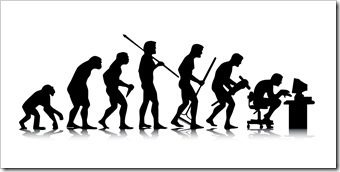
Man's trajectory from the beginning has been to come, become, adapt, and grow. Our evolution from even a small infant can be measured by lying to sitting, sitting to crawling, and finally crawling to standing. With this said our species from an outside observer would now be entered as the era of de-evolution of man....
Read More >>