Welcome to Chiropractic Life and Wellness Center's Neck Pain New Fairfield Archive. Here you can learn more about Chiropractic Life and Wellness Center, Chiropractic, and Dr. Brandon Chorney, today's choice for Chiropractors in New Fairfield, CT. Read Dr. Brandon Chorney's Chiropractic Neck Pain New Fairfield for the health of it.
We look forward to serving you! Call - 203-746-6543.
Workplace ergonomics is the science of designing work environments to fit the needs and capabilities of the individual. At Chiropractic Life and Wellness Center in New Fairfield, CT, we focus on how your physical setup—especially for desk jobs and repetitive tasks—can dramatically affect your posture, comfort, and long-term health.
Proper ergonomics boosts productivity, prevents injuries, and reduces time off due to strain-related conditions. With musculoskeletal issues being one of the leading causes of missed work, optimizing ergonomics is a smart investment for both individuals and organizations.
3 Core Principles of Ergonomics
Use your largest muscles when lifting to protect smaller, more vulnerable ones.
Alternate between good postures throughout the day to avoid prolonged muscle tension and fatigue.
Keep joints within 50% of their range of motion, ideally in a neutral position, to avoid strain and injury.
Desk Job Ergonomics: Tips for Sitting Smart
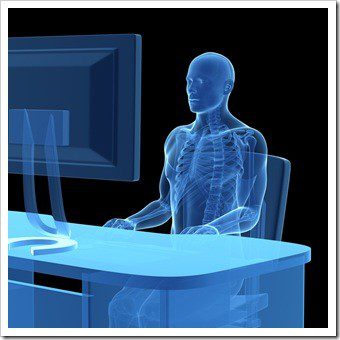
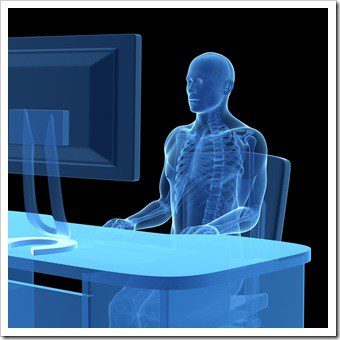
Adjust your desk and chair to fit your frame—your feet should rest flat on the floor with your knees at a 90–110° angle.
Keep your head upright and your monitor at eye level to avoid neck strain.
Maintain a straight posture and avoid slouching; your shoulders should be relaxed, with forearms parallel to the floor.
Use a document holder to avoid looking down or twisting your neck while reading.
Use a headset instead of cradling the phone between your neck and shoulder.
Take stretch breaks every 20–30 minutes and shift positions often.
Do quick stretches throughout the day: neck rolls, wrist circles, arm dangles, and shoulder shrugs.
Give your eyes a break—look away from your screen every few minutes and shift focus to distant objects.
Using Your Mouse Effectively
Use your entire arm and shoulder to move the mouse, not just your wrist. Keep your grip light, your wrist straight, and avoid resting it on the desk edge. A gel wrist pad can help maintain neutral alignment and reduce fatigue.
Lifting Safety 101
When lifting, bend your knees—not your waist. Keep your head up, your back straight, and use your leg muscles to power the lift. Hold the object close to your body and avoid twisting or overreaching.
Chiropractic Care for Better Ergonomics
Chiropractors specialize in body mechanics and the effects of posture on overall health. At Chiropractic Life and Wellness Center, we can evaluate your workstation, posture, and repetitive activities to help you avoid injury and perform at your best.
To learn how to improve your ergonomic setup or relieve the stress of daily strain, contact Chiropractic Life and Wellness Center in New Fairfield, CT at 203-746-6543 to schedule a consultation. Small adjustments can lead to big improvements in how you feel every day.
In today’s fast-paced world, distractions are everywhere—and they’re a leading cause of accidents and injuries. When your body is caught off-guard by a sudden jolt, especially in a car crash or a fall, your neck may suffer the consequences. Even seemingly minor accidents can lead to neck pain and degenerative changes down the road if left untreated.
What Is Whiplash?
Whiplash occurs when the head is abruptly jerked backward and forward, stretching and damaging the structures of the neck. This includes intervertebral joints, discs, ligaments, muscles, and nerves. It’s most commonly caused by rear-end car accidents, but it can also result from falls or sports injuries.
Common symptoms—often showing up within the first few days—include:
Neck pain and stiffness
Headaches
Pain between the shoulders
Low back pain
Numbness or tingling in arms or hands
Dizziness
Fatigue, irritability, and sleep disturbances
Difficulty concentrating or remembering
These symptoms should never be ignored—even if they seem minor at first. In fact, 50% of whiplash sufferers still experience symptoms years later. The earlier you seek care, the better your long-term outcome.
Whiplash Statistics & Chiropractic Success
Nearly 1 in 15 American adults suffers from long-term whiplash effects. The good news? Chiropractic care has consistently proven effective in reducing pain and restoring function.
Injury (UK) Study: 93% of 28 patients had significant improvement with chiropractic treatment including adjustments, stretching, and ice therapy.
Journal of Orthopedic Medicine: Declared chiropractic the only proven effective treatment for chronic whiplash cases.
Journal of Manipulative and Physiological Therapeutics: Chiropractic was more effective than conventional care for chronic spinal pain.
Prevention & Proactive Recovery
While accidents can happen to anyone, there are steps you can take to reduce your risk:
Use properly adjusted headrests and seatbelts
Wear appropriate headgear during sports
Practice safe, distraction-free driving
If you’ve experienced a blow to the head or neck, it’s critical to be evaluated—even if pain isn’t immediate. Our expert chiropractic team in New Fairfield CT can assess your condition, provide customized treatment, and help you heal properly.
We’re Here to Help – Naturally
Chiropractic care can reduce inflammation, restore alignment, and support your body’s healing process—without drugs or surgery. If you or a loved one has suffered a whiplash injury, don’t wait. Contact Chiropractic Life and Wellness Center in New Fairfield CT today at 203-746-6543 to schedule your consultation.
Workplace ergonomics is the practice of designing or redesigning an area in which a person works to the specific needs and job requirements of that person. Simply defined that for an ergonomic workplace to be created, a proper assessment of the environment must first of all take place so that appropriate changes can be made on the basis of accepted ergonomic principles. The aim is to create a safer and more productive working environment for the employees. It not only creates healthier more productive employees but saves corporations in millions in lost productivity due to illness and injury.
The Three Most Important Basic Ergonomic Principles:
The stress of any lifting should be taken by the largest muscles to protect the smaller and more vulnerable ones.
When working, the employee should be able to move comfortably between various correct postures so they do not over-stress one particular part of the body for an extended period. Muscles become fatigued when kept tense for too long, especially if that one posture is poor.
Joints should move through no more than 50% of their range when performing activities, and preferably be kept in a neutral position. Joints that are overextended can become damaged and susceptible to repetitive stress/strain injuries.
Tips for a Seated Desk Career:
The height of the desk should be suited to your frame, and everything you need should be within easy reach.
Your feet should be able to touch the floor, and the angle between your torso and thighs should be 90 to 110 degrees.
Keep your body straight, head and neck upright, and keep your task directly in front of you. Don’t hunch or slouch.
The top of your computer monitor should be at your eye level. Your head should be in a neutral position, otherwise any leaning forward can cause pain in the neck and head.
Your wrists should be straight when typing, and your shoulders and forearms parallel to the floor.
Anything you read at your desk should be at the same level as though you were reading it on your monitor. Use a book stand or a paper holder.
Use a headset when talking on the telephone – certainly if you are doing so for long periods. Never use your shoulder to cradle the phone against your ear. This will lead to headaches and neck pain.
Every 20 or 30 minutes, get up and stretch. It will help you re-energize and re-focus.
Frequently stretch out your neck, arms, wrists, back, and legs while working. Try neck rotations, fist clenches, arm dangles, and shoulder shrugs.
Don’t stare at one thing for too long. If your eyes do not frequently shift focus, they will become strained and tired. Take a few seconds to look from objects that are nearby to objects that are farther away.
Mastering the Mouse:
Use your arm and shoulder to move the mouse, not just your wrist. Hold the mouse loosely and keep your wrist straight and relaxed. The edge of your desk is not the best place to rest your wrist; instead, use a gel rest incorporated into the mouse mat. Take regular breaks during each hour to flex your wrists, and to move your arms and shoulders.
Tips for Safe Lifting:
When lifting anything off the floor, bend at the knees, not at the waist. Keep your head up, your neck and back straight, and use your leg muscles to power up to standing. Bending forward at the waist to lift brings your low-back muscles into it, and these can be easily pulled. Keep your elbows flexed and hold the object close in to your body to further minimize back strain.
Mastering Your Health
Chiropractors specialize in the mechanics of the body and the impact of poor posture and repetitive activities has on your overall health. If you would like to know more on how to apply correct ergonomics into your work place or environment, please contact our office today to schedule an appointment.
Workplace ergonomics is the practice of designing or redesigning an area in which a person works to the specific needs and job requirements of that person. Simply defined that for an ergonomic workplace to be created, a proper assessment of the environment must first of all take place so that appropriate changes can be made on the basis of accepted ergonomic principles. The aim is to create a safer and more productive working environment for the employees. It not only creates healthier more productive employees but saves corporations in millions in lost productivity due to illness and injury.
The Three Most Important Basic Ergonomic Principles:
The stress of any lifting should be taken by the largest muscles to protect the smaller and more vulnerable ones.
When working, the employee should be able to move comfortably between various correct postures so they do not over-stress one particular part of the body for an extended period. Muscles become fatigued when kept tense for too long, especially if that one posture is poor.
Joints should move through no more than 50% of their range when performing activities, and preferably be kept in a neutral position. Joints that are overextended can become damaged and susceptible to repetitive stress/strain injuries.
Tips for a Seated Desk Career:
The height of the desk should be suited to your frame, and everything you need should be within easy reach.
Your feet should be able to touch the floor, and the angle between your torso and thighs should be 90 to 110 degrees.
Keep your body straight, head and neck upright, and keep your task directly in front of you. Don’t hunch or slouch.
The top of your computer monitor should be at your eye level. Your head should be in a neutral position, otherwise any leaning forward can cause pain in the neck and head.
Your wrists should be straight when typing, and your shoulders and forearms parallel to the floor.
Anything you read at your desk should be at the same level as though you were reading it on your monitor. Use a book stand or a paper holder.
Use a headset when talking on the telephone – certainly if you are doing so for long periods. Never use your shoulder to cradle the phone against your ear. This will lead to headaches and neck pain.
Every 20 or 30 minutes, get up and stretch. It will help you re-energize and re-focus.
Frequently stretch out your neck, arms, wrists, back, and legs while working. Try neck rotations, fist clenches, arm dangles, and shoulder shrugs.
Don’t stare at one thing for too long. If your eyes do not frequently shift focus, they will become strained and tired. Take a few seconds to look from objects that are nearby to objects that are farther away.
Mastering the Mouse:
Use your arm and shoulder to move the mouse, not just your wrist. Hold the mouse loosely and keep your wrist straight and relaxed. The edge of your desk is not the best place to rest your wrist; instead, use a gel rest incorporated into the mouse mat. Take regular breaks during each hour to flex your wrists, and to move your arms and shoulders.
Tips for Safe Lifting:
When lifting anything off the floor, bend at the knees, not at the waist. Keep your head up, your neck and back straight, and use your leg muscles to power up to standing. Bending forward at the waist to lift brings your low-back muscles into it, and these can be easily pulled. Keep your elbows flexed and hold the object close in to your body to further minimize back strain.
Mastering Your Health
Chiropractors specialize in the mechanics of the body and the impact of poor posture and repetitive activities has on your overall health. If you would like to know more on how to apply correct ergonomics into your work place or environment, please contact our office today to schedule an appointment.
We use cookies to ensure that we give you the best experience on our website. If you continue to use this site we will assume that you are happy with it.Accept