Posts Tagged ‘Neck Pain New Fairfield CT’
Welcome to Chiropractic Life and Wellness Center's Neck Pain New Fairfield CT Archive. Here you can learn more about Chiropractic Life and Wellness Center, Chiropractic, and Dr. Brandon Chorney, today's choice for Chiropractors in New Fairfield, CT. Read Dr. Brandon Chorney's Chiropractic Neck Pain New Fairfield CT for the health of it.
We look forward to serving you! Call - 203-746-6543.
by Dr. Brandon Chorney | May 2, 2017 | Health Articles

Summer vacation is near! The excitement of warm weather and the well needed break from school or work is upon us. As the last school bell rings or the final confirmation of your travel plans arrives make sure you not only pack accordingly but prepare with these simple tips so you may enjoy the most of...
Read More >>
by Dr. Brandon Chorney | Apr 25, 2017 | Health Articles

Man’s trajectory from the beginning has been to come, become, adapt, and grow. Our evolution from even a small infant can be measured by lying to sitting, sitting to crawling, and finally crawling to standing. With this said our species from an outside observer would now be entered as the era of de-evolution of man. Our postures on a grand scheme are beginning to hunch and roll from an early and earlier age. But the most noted is the amount of illness, pain, and degenerative diseases that are occurring in the most technologically advanced societies.
If you are now taking the time to Google the why Stop! You have stumbled onto one of the leading causes of the de-evolution of man’s posture.
Smart Phone?
Today, most of our communications are received through a small screen that we slouch and slump to see due to the long hours we remain in that position to inner face with the world. We as adults down to our smallest children can now easily be found no longer interacting with the real world but living virtually. Although we may be obtaining useful information, few people understand the true importance of maintaining good posture while collecting information and interacting with our computers. This poor posture is accelerating our forward head posture which is not only a primary contributor to headaches, neck and shoulder pain, and back pain but is having a detrimental effect on our overall health.
The Above Down
Good posture is more than standing up straight. You have posture when you stand, walk, sit, kneel, lie down, play sport, etc. Whatever position your body gets into, there is a right way and a wrong way of doing it. The right way reduces strain on the supporting muscles and ligaments. The wrong way hurts but not necessarily with immediate pain.
The most dangerous posture change that is affecting our society of all ages today is the forward head posture. The forward head posture change is a huge factor in your overall health because it relates to your central nervous system, which is your body’s power supply. When you have a forward head posture, your spinal cord is pulled and stretched, and this tension changes the shape of your spinal cord.
When your spine is healthy and relaxed, your spinal cord sends signals between your brain and body at approximately 275 mph. As you decrease the natural curves of your spine and over stretch the cord, the speed of these signals traveling between your brain and body all day long is compromised.
The Power of Good Posture
Good posture does the following for you:
- Keeps your bones and joints correctly aligned, so your muscles function properly, and your joints experience the least possible wear and tear, reducing the risk of degenerative arthritis and joint pain.
- Reduces the stress on the ligaments that hold your spinal joints together, making injury less likely.
- Allows your muscles to function with less effort, so you get less tired and stressed.
- Lowers the risk of muscle strain and overuse disorders that can cause back and muscular pain.
Be aware of the common risk factors for bad posture which include obesity, stress, pregnancy, weak postural muscles, unusually tight muscles, high-heels, lack of flexibility, poor work ergonomics, and bad habits when sitting and standing.
Quick Tips To Help Master Posture
Mastering How to Sit
- Your feet should rest on the floor. If they don’t, use a stool.
- Crossing your legs is not advised, and keep your ankles in front of your knees.
- Check there’s a small gap between the front of your seat and the back of your knees.
- Keep your knees at or below the level of your hips.
- Support your low- and mid-back, either with a backrest or back support.
- Don’t tense the shoulders, and check that your forearms are horizontal.
- Get up and move about regularly when stuck sitting down for long periods.
Mastering How to Stand
- The balls of your feet should bear most of your weight.
- Don’t lock your knees; keep them slightly bent.
- Feet should be shoulder-width apart.
- Let your arms hang free at your sides.
- Stand straight and tall with shoulders pulled backward.
- Keep your stomach tucked in.
- Your head should be level, earlobes over your shoulders. Don’t force your head in any direction.
- When unavoidably on your feet for a while, shift your weight from your toes to your heels, or from one foot to the other, to share the burden.
The Artistry of Lying Properly
- A suitable mattress is imperative. Make sure you find one that is supportive and comfortable and suits your individual needs.
- Use a pillow to maintain your spine in proper alignment.
- Don’t sleep on your stomach.
- Sleeping on your back is preferred with a small cushion to support your natural neck and lumbar curve. To assist with this place a small pillow under your knees.
- Place a pillow between your legs if you sleep on your side.
Permission To Use Your Smart Phone!
Call Us! Our expert team looks forward to helping our community become healthier and stronger by addressing your body as a whole unit while reducing pain and addressing processes in your health that have become a challenge.
Make sure also to visit our website for more great health education information – Just make sure to schedule an appointment so we can help you achieve a healthier taller you!
by Dr. Brandon Chorney | Feb 28, 2017 | Health Articles
Are you sitting on the sideline for some of your favorite activities due to a shoulder injury that is making many routine activities challenging and painful? Or have you played through telling yourself it will heal or you will address later?
Be warned! It could be an injury to your rotator cuff! Your shoulder injury that may have started off as a minor injury could now be leading to a larger one where the repair process is more substantial.
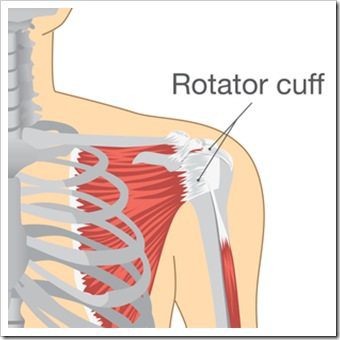
What Is The Rotator Cuff Exactly?
The shoulder joint’s support and stability are made up by an intricate group of muscles that surround the cap of the shoulder called the cuff.
The rotator cuff itself consists of four muscle groups which lie all around the shoulder blade – in front, either side and on top. These muscle groups fibers then all lead up to the arm bone where they become join the tendons and attach onto the top part of the arm. Their function is to stabilize the shoulder joint while allowing the shoulder to move and turn through a wide range of motions enabling us to perform an incredible variety of functions with our arms.
This structural feat is amazing, but due to this flexibility and mobility, rotator cuff injuries are very common. A small injury can happen in one of the tendons or muscles and can very quickly progress to irritating other adjacent areas due to compensation patterns.
Understanding Rotator Cuff Injuries
Rotator cuff injury is a broad term used to describe any damage to the rotator cuff. Common injuries to the shoulder and rotator cuff include partial tears in the muscles and tendons, which can result from acute injury or repetitive wear and tear over the long term.
Common Symptoms of a Rotator Cuff Injury
The inability to lift the arm at the shoulder out to the side
Pain on putting a coat on or pain when sleeping on that side at night. Radiating pain down the arm towards the elbow or even radiating down into their hands.
The Two Main Causes
In the case of rotator cuff injuries, they are commonly separated into two defining causes which are ‘repetitive micro-trauma’ and ‘traumatic injuries‘.
Repetitive Micro-trauma Injuries: In repetitive use injuries to the rotator cuff, repeated activities cause damage to the rotator cuff tendons. Over time, the tendons wear faster than the body can repair them allowing a micro-tear to develop within the tendons. Most often patients suffering from repetitive strain have complaints of shoulder pain before developing tears in the rotator cuff tendons.
Traumatic Injuries: Traumatic injuries to the rotator cuff are seen after events such as throwing, golf and falling onto an outstretched arm. The traumatic event can cause the tear in the rotator cuff tendons. This type of injury is much less common than repetitive use injuries.
Although partial tear injuries are more commonly suffered, full tears to the tendon are frequently found in older sufferers. A complete tear injury is found more often because as we age, the muscle and tendon tissue of the rotator cuff loses some elasticity. With the loss of elasticity, the blood flow to the mid part of the tendon becomes inadequate. Therefore, healing is slower and degenerative changes are often found.
You Deserve The Best Treatment
The most beneficial treatment process delivers the best results when a Chiropractic physician also provides detailed physical rehabilitative programs targeted to preserve and build muscle strength during the healing process.
Developing a treatment plan individualized to the particular cause of the injury is crucial.
The musculoskeletal specialist, such as a chiropractor and one who specializes or works with specialists in physical rehabilitation will result in the highest quality of care for this injury as the full recommendation will lead to in quickest and fastest healing results.
Physical rehabilitation and rest are the recommended course of action for effective reduction of pain and restoration of full function to the arms and shoulders. As with many other repetitive movement injuries, massage therapy in conjunction with chiropractic care can provide not only pain relief but the highest restoration of range of movement.
Soft tissue treatments such as ART and Graston work to reduce the frequency and symptoms of inflammation, sending fibrous adhesions that inhibit functional movement back into circulation.
Kinesiotape can be beneficial as well by helping correct and maintain proper shoulder positioning throughout the day by stimulating proprioception, increasing your body’s positional awareness.
Ready To Get Back Into The Swing?
Shoulder injuries do not need to be athletically related and can happen at any age.
If you are currently sidelined from the activities you love due to injury, please contact us today so we may help you get back into the game of life!
Our team is experts in the correction and rehabilitation of musculoskeletal injuries including rotator cuff injuries.
by Dr. Brandon Chorney | Dec 13, 2016 | Health Articles

"The Back Man" and "The Bone Setter" I have heard them all. When it comes to descriptions of my office, it is always interesting that they relate only to the musculoskeletal conditions that they think I am able to treat and little else. The truth is that the expert care we provide in our office...
Read More >>
by Dr. Brandon Chorney | Dec 6, 2016 | Health Articles
Can you hear the holiday songs playing? Of course, that’s because the holidays are until after January! However, with this season’s good cheer, holiday stress may lead to tears, neck pain, shoulder pain, and headaches.
The combination of the wrong food, too much alcohol, late nights, rushing around carrying heavy bags, and, let’s face it, family stress, can all lead to physical overload, taxing not only our physical bodies but our immune systems too. Let’s be prepared this season to tackle the holidays and be in great shape for the new year!
Stocking Stuffer Health Tips To Survive The Shopping Season:
Follow these great holiday tips to survive the shopping marathon:
- Stay well-hydrated. Drink eight to ten 8-ounce glasses of water every day, and do not substitute any of that with coffee, tea, soft drinks and alcohol, because those are diuretics and will end up robbing you of water.
- Stretch both before and after a long day of finding goodies for the whole family. Shopping can be stressful and your muscles need all the help they can get to stay relaxed.
- Choose your shopping shoes for their comfort, not style. You need plenty of cushioning to counteract those endless hours on your feet.
- Wear comfortable clothing as well, and, if it’s cold out, have a few layers on so you can peel them off and pile them on as you move from the streets to the warm shop interiors and back out again.
- Wear an over-the-shoulder handbag rather than carrying a single shoulder bag, and try to keep its contents to the bare minimum.
- In a mall or a shopping area where lockers are provided, use one to store your shopping bags as you acquire them. If you can park close by, drop the bags in the trunk every so often.
- Any slight aches and pains you feel after a day out shopping, grab an ice pack and apply to the affected area for 20 minutes for at least two hours. Repeat several times over a day or two until you feel better.
Rest, Shop, Repeat
When having a serious shopping day, take a break every 45 minutes, or more often if you feel the need.
If you’re hungry, eat something light, or you’ll feel very sluggish when you resume shopping. It can also be dangerous to burden your system then continue with what can amount to physical exercise.
Coffee may seem like a good idea as a quick boost, but it adds extra stress to the system. As for soda, that is never a good idea. Stick with water.
Shopping with Children
Children and extended shopping trips don’t go together. Not only will they tire before you do and want to go home, but they will also want to buy everything in every shop. That’s a double whammy of whining that’s going to stress you out. Try and get someone to look after them instead.
Wrapping Posture Preppers
When you have a mound of gifts to wrap, make sure you don’t sit or stand in one position for too long, or you’ll start to ache. Vary your position, but avoid wrapping while sitting on the floor, even when carpeted, as this is terrible for your posture.
It may sound a little OTT but stretch before and after wrapping your gifts.
The Gift of Health
Here at our practice, our expert team is ready to make sure your spine and body are in tip top condition to not only to have the physical stamina to endure the season but to be able to battle the bustling crowds.
Call Today and Schedule One More Gift – One To Yourself – A Health Checkup and Have your Gifts Wrapped up for the Holidays!