Posts Tagged ‘Integrated Medicine New Fairfield’
Welcome to Chiropractic Life and Wellness Center's Integrated Medicine New Fairfield Archive. Here you can learn more about Chiropractic Life and Wellness Center, Chiropractic, and Dr. Brandon Chorney, today's choice for Chiropractors in New Fairfield, CT. Read Dr. Brandon Chorney's Chiropractic Integrated Medicine New Fairfield for the health of it.
We look forward to serving you! Call - 203-746-6543.
by Dr. Brandon Chorney | Dec 22, 2015 | Health Articles

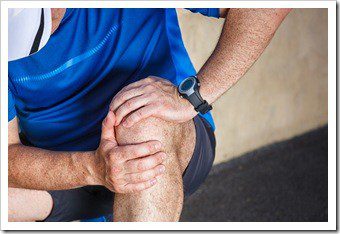
When you bend your knee does pain shoot straight through your body? Do you hear loud "clicks" and "clacks" that you just can't explain? Ahh the grinding you think! You are not alone. Many people struggle with long standing knee pain and discomfort. It is far more common than most people believe and yet many people...
Read More >>
by Dr. Brandon Chorney | Nov 10, 2015 | Health Articles

Basketball season is upon us! Whether we play professionally, for a school team, or for fun, it’s time to stop defending the back court and invest in the proper shoes to avoid future injuries. This way we can make the slam dunk of the season – without any lasting consequences.
The majority of people choose fashion over function when purchasing athletic shoes. This can lead to poor fitting shoes which will not only leave you with painful feet at the end of the day, but pain throughout your body too. Because footwear plays such an important role in the function of bones and joints—especially for runners and other athletes—choosing the right shoe can help prevent pain in your back, hips, knees, and feet.
Unfortunately, there is no such thing as the perfect athletic shoe—every pair of feet is different, every shoe has different features, and overall comfort is a very personal decision. For this reason, it is recommended that you first determine your foot type: normal, flat, or high-arched.
The Normal Foot
Normal feet have a normal-sized arch and will leave a wet footprint that has a flare, but shows the forefoot and heel connected by a broad band. A normal foot lands on the outside of the heel and rolls slightly inward to absorb shock. Best shoes: Stability shoes with a slightly curved shape.
The Flat Foot
This type of foot has a low arch and leaves a print that looks like the whole sole of the foot. It usually indicates an over-pronated foot—one that strikes on the outside of the heel and rolls excessively inward (pronates). Over time, this can cause overuse injuries. Best shoes: Motion-control shoes or high-stability shoes with firm midsoles. These shoes should be fairly resistant to twisting or bending. Stay away from highly cushioned, highly curved shoes, which lack stability features.
The High-Arched Foot
The high-arched foot leaves a print showing a very narrow band—or no band at all—between the forefoot and the heel. A curved, highly arched foot is generally supinated or under-pronated. Because the foot doesn’t pronate enough, usually it’s not an effective shock absorber. Best shoes: Cushioned shoes with plenty of flexibility to encourage foot motion. Stay away from motion-control or stability shoes, which reduce foot mobility. When determining your foot type, consult with a chiropractor and their amazing team. He or she can help determine your specific foot type, assess your gait, and then suggest the best shoe match.
Tips To Help You Win The Game
Consider the following tips before you purchase your next pair of athletic shoes:
- Match the shoe to the activity. Select a shoe specific for the sport in which you will participate. Running shoes are primarily made to absorb shock as the heel strikes the ground. In contrast, tennis shoes provide more side-to-side stability. Walking shoes allow the foot to roll and push off naturally during walking, and they usually have a fairly rigid arch, a well-cushioned sole, and a stiff heel support for stability.
- If possible, shop at a specialty store. It’s best to shop at a store that specializes in athletic shoes. Employees at these stores are often trained to recommend a shoe that best matches your foot type (shown above) and stride pattern.
- Shop late in the day. If possible, shop for shoes at the end of the day or after a workout when your feet are generally at their largest. Wear the type of socks you usually wear during exercise, and if you use orthotic devices for postural support, make sure you wear them when trying on shoes.
- Have your feet measured every time. It’s important to have the length and width of both feet measured every time you shop for shoes, since foot size often changes with age and most people have 1 foot that is larger than the other. Also, many podiatrists suggest that you measure your foot while standing in a weight bearing position because the foot elongates and flattens when you stand, affecting the measurement and the fit of the shoe.
- Make sure the shoe fits correctly. Choose shoes for their fit, not by the size you’ve worn in the past. The shoe should fit with an index finger’s width between the end of the shoe and the longest toe. The toe box should have adequate room and not feel tight. The heel of your foot should fit snugly against the back of the shoe without sliding up or down as you walk or run. If possible, keep the shoe on for 10 minutes to make sure it remains comfortable.
When Should I Invest In A New Pair?
Once you have purchased a pair of athletic shoes, don’t run them into the ground. While estimates vary as to when the best time to replace old shoes is, most experts agree that between 300 and 500 miles is optimal. In fact, most shoes should be replaced even before they begin to show signs of moderate wear. Once shoes show wear, especially in the cushioning layer, the midsole, they also begin to lose their shock absorption. Failure to replace worn shoes is one of the leading causes of injuries like shin splints, heel spurs, and plantar fasciitis.
Questions?
Our team wants to help you win on and off the court. Call us and let us help you slam dunk a victory in better health!
by Dr. Brandon Chorney | Oct 13, 2015 | Health Articles

For most, recovering from an injury is an exercise in itself. For an athlete, being told that you have to reduce or halt all activity in order to let the bone or muscle heal is equivalent to torture. However, there are a few things you can do to help speed the healing process so you can get back to your daily routines as soon as possible.
Be Smart About Your Pain Relief Options
When cells are damaged in a fracture, large amounts of prostaglandins are released. Prostaglandins are a group of lipids made at sites of tissue damage or infection that are involved in dealing with injury and illness. They control processes such as inflammation, blood flow, the formation of blood clots and the induction of labor. Although this is what causes you to feel the pain, the production of these lipids are also instrumental to the early stages of tissue repair.
Here is the catch. In order to alleviate pain, non-steroidal anti-inflammatory drugs are prescribed to stop the action of prostaglandins, but the prostaglandins are quintessential to the healing process. The best suggestion would be stop taking the NSAIDs as soon as possible after suffering a broken bone. Alternatively, you could take a non-NSAID pain medication such as acetaminophen for pain relief, for it does not have the same effect on prostaglandins.
Say No! to Nicotine
It has been scientifically proven that broken bones of people who smoke take longer to heal. The smoke reduces blood flow, therefore, reduces the number of nutrients and oxygen travelling to the injury site. The chemicals released in the blood from smoking damages the cells that form bone. This process and significantly decrease healing time or prevent complete healing altogether.
Make Calcium, Magnesium, Vitamin D and Vitamin K Your New Best Friends
These vitamins and minerals are all integral to healthy bone growth. We have all heard about how important calcium is in the diet, but if you take a lot of calcium without accompanying it with magnesium and vitamins D and K, much of that calcium will not be absorbed by your bones. Dark green leafy vegetables such as spinach, kale, collard greens and Swiss chard are among the best sources of not only calcium but magnesium and vitamin K as well. If you live in a sunny climate, you can get a good supply of vitamin D by sitting in the sun for 15-20 minutes a day with arms and legs exposed and using no sunblock. For those who live in less sun-drenched locations (and those of us waiting out the winter months), you can get vitamin D from fortified milk products or you can take a vitamin D supplement.
Give Your Sugar and Caffeine Intake a Break
Caffeine and sugar both increase the excretion of calcium from the bones by 25-50 percent.So try avoid the comfort foods!
Just become a Lean, Mean, Protein Consuming Machine!
by Dr. Brandon Chorney | Sep 29, 2015 | Health Articles

The hustle and bustle of the fall season is now in full drive. As the rushing to school, sports events or other important functions is on the fast track so may the attack on you and your families immune system. So this month let’s all commit to making ourselves a little healthier by choosing one or more of these healthy habits to practice regularly for a victoriously healthy season.
Set Course For 1 and Goal For Them All!:
- Sleep at least seven hours each night – Better sleep means a healthier immune system. Remember our brain and body recover from the day’s stresses while we sleep.
- Get Adjusted — Have you and your family’s spine and nervous system checked each week because your immune system is run by your central nervous system – Chiropractic kids are freakishly healthy — This is one great reason why!
- Avoid Sugar and Snacks – especially sugary, salty or fried foods, or foods with pesticides or preservatives in them. Kids will still get a ton of it at school unfortunately. However, limit it where you can. Steer your family towards fruit and vegetables instead. Get creative and save time with power smoothies.
- Reduce Dairy — Try using almond or rice milk instead. Take any child with asthma or ear infections off of dairy and they improve – just about every time. Add in some adjustments and the healing is even faster.
- Exercise Regularly — Make sure you and your kids exercise each day. Even better, do a small workout in the morning before school together that is fun. It immediately cuts down on whiny morning behavior and best of all It also gets their lymphatic systems moving which makes for healthier kids.
- Avoid Medications and Let Fevers Ride. When children do get colds, do not immediately lower their fevers. Comfort and love on them while they have the fever, and monitor them closely, but try not to lower it. The fever is the body’s way of combating the “bug” and learning how to protect itself in the future from the unwanted invader. Far to commonly we see that family’s that use fever reducing drugs often seem to have colds that last for a week or longer.
- Eat breakfast Every Morning – that’s why they call it “breaking the fast,” so get your day started with a healthy meal.
Questions? Just ask one of our Team Docs what he or she suggests, and travel the shortest distance to good health this fall!
Join Our Team!
Our Expert Team is ready, willing, and able to help you! Please ask one of our team members all of your important questions so that we can ensure that you can have prepare your immune system for the strongest fall season yet!