Posts Tagged ‘Chronic Pain New Fairfield CT’
Welcome to Chiropractic Life and Wellness Center's Chronic Pain New Fairfield CT Archive. Here you can learn more about Chiropractic Life and Wellness Center, Chiropractic, and Dr. Brandon Chorney, today's choice for Chiropractors in New Fairfield, CT. Read Dr. Brandon Chorney's Chiropractic Chronic Pain New Fairfield CT for the health of it.
We look forward to serving you! Call - 203-746-6543.
by Dr. Brandon Chorney | Oct 9, 2018 | Health Articles

Do you suffer in pain? Do you very carefully balance between managing pain versus giving up and crying, "It is just too much?" If this is you, read on for helpful information to better help you understand and choose the from best pain solution options from the experts in treatments of headaches, back pain, neck pain, and other...
Read More >>
by Dr. Brandon Chorney | Mar 15, 2018 | Health Articles

Are you in constant pain? Do you carefully balance between managing your pain vs. giving up and crying? Is it just too much?" If you can relate or watch someone you love suffer needlessly, read on for insightful information to help you understand and choose the best pain solution options from the experts in treatments of headaches, back...
Read More >>
by Dr. Brandon Chorney | Feb 8, 2018 | Health Articles

For most, recovering from an injury is an exercise in itself. For an athlete, being told that you have to reduce or halt all activity in order to let the bone or muscle heal is equivalent to torture. However, there are a few things you can do to help speed the healing process so you can get back to your daily routines as soon as possible.
Be Smart About Your Pain Relief Options
When cells are damaged in a fracture, large amounts of prostaglandins are released. Prostaglandins are a group of lipids made at sites of tissue damage or infection that are involved in dealing with injury and illness. They control processes such as inflammation, blood flow, the formation of blood clots and the induction of labor. Although this is what causes you to feel the pain, the production of these lipids are also instrumental to the early stages of tissue repair.
Here is the catch. In order to alleviate pain, non-steroidal anti-inflammatory drugs are prescribed to stop the action of prostaglandins, but the prostaglandins are quintessential to the healing process. The best suggestion would be stop taking the NSAIDs as soon as possible after suffering a broken bone. Alternatively, you could take a non-NSAID pain medication such as acetaminophen for pain relief, for it does not have the same effect on prostaglandins.
Say No! to Nicotine
It has been scientifically proven that broken bones of people who smoke take longer to heal. The smoke reduces blood flow, therefore, reduces the number of nutrients and oxygen travelling to the injury site. The chemicals released in the blood from smoking damages the cells that form bone. This process and significantly decrease healing time or prevent complete healing altogether.
Make Calcium, Magnesium, Vitamin D and Vitamin K Your New Best Friends
These vitamins and minerals are all integral to healthy bone growth. We have all heard about how important calcium is in the diet, but if you take a lot of calcium without accompanying it with magnesium and vitamins D and K, much of that calcium will not be absorbed by your bones. Dark green leafy vegetables such as spinach, kale, collard greens and Swiss chard are among the best sources of not only calcium but magnesium and vitamin K as well. If you live in a sunny climate, you can get a good supply of vitamin D by sitting in the sun for 15-20 minutes a day with arms and legs exposed and using no sunblock. For those who live in less sun-drenched locations (and those of us waiting out the winter months), you can get vitamin D from fortified milk products or you can take a vitamin D supplement.
Give Your Sugar and Caffeine Intake a Break
Caffeine and sugar both increase the excretion of calcium from the bones by 25-50 percent.So try avoid the comfort foods!
Just become a Lean, Mean, Protein Consuming Machine!
by Dr. Brandon Chorney | Feb 11, 2016 | Health Articles

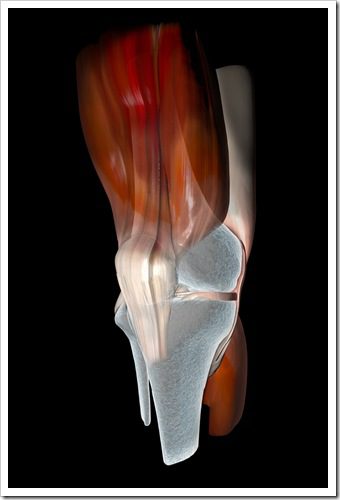
Injuries are an athlete’s worst nightmare. In fact, nothing at the moment can be more upsetting than a knee injury to set you back. These knee injuries are not just career threatening problems, but also could be affecting you in your present daily activities.
Whether you are an athlete, weekend warrior, or daily career veteran every step you take could be agonizing by one of these knee injuries that you have recently sustained or an old injury that may have left you with chronic pain.
When an injury or condition is diagnosed the description often is more frightening than the prognosis. To help you understand, we quickly outlined two very common knee injuries, a lateral meniscus tear and a medial meniscus tear; plus, a solution you may have not considered.
The Meniscus
The meniscus are two semi circular cartilage discs (medial and lateral) which act as shock absorbers in the knee joint. They are commonly injured by excessive twisting motions causing symptoms of pain on the inner surface of the knee joint (for medial tears) or pain on the outside of the knee joint (for lateral tears). The individual may also have difficulty weight bearing with a feeling of the knee locking or giving way.
What Is A Lateral Meniscus Tear?
The lateral meniscus sits on the outside of the upper surface of the tibia (shin bone). It is an essential shock absorber in the knee joint and allows even weight distribution through the joint between the tibia and femur (thigh bone) during weight bearing activities. The lateral meniscus is less commonly injured compared to the medial meniscus as it does not attach to as many structures.
Causes of a Lateral Meniscus Tear
The most common cause of this type of injury is a twisting at the knee which can occur in many sports including football, soccer, gymnastics and skiing. The lateral tear often happens when the foot is fixed on the ground while another exerted force causes excessive twisting such as a blow from a tackle or landing from a jump. Overuse meniscal injuries can also occur as a result of repetitive twisting and weight bearing, leading to degeneration of the cartilage.
What Is A Medial Meniscus Tear?
The medial meniscus sits on the inside of the upper surface of the tibia (shin bone). It is another essential shock absorber in the knee joint and allows even weight distribution through the joint between the tibia and femur (thigh bone) during weight bearing activities. The medial meniscus is attached to the medial collateral ligament (MCL) and joint capsule making it more prone to injury than the lateral meniscus due to its reduced mobility.
Causes of a Medial Meniscus Tear
External forces such as a tackle to the outside of the leg are prone to injure the medial meniscus. As it has restricted mobility, it can often become injured as a result of damage to the MCL and anterior cruciate ligament (ACL). The most common cause of injury is a twisting at the knee which can occur in many sports including rugby, football, tennis and skiing. Overuse meniscal injuries can also occur as a result of excessive twisting and weight bearing, leading to degeneration of the cartilage.
Symptoms of a Lateral or Medial Meniscus Tear
Symptoms of a tear include a sharp pain on the outer surface of the knee for a lateral tear and a sharp pain on the inner surface of the knee for a medial tear. Swelling occurs along with pain when rotating the knee and a sense of weakness or “giving way”. The knee may lock during certain movements and the individual may be unable to bend the knee fully or weight bear on the injured side, depending on the severity of damage.
So What Can I do?
It is important to rest the joint and avoid the movements which aggravate the symptoms. Icing is important to help ease the pain and any swelling that may be present.
In recovery it is important to avoid placing your body in an unbalanced position for a long duration of time. As your body is leaning away from the injury the body will be constantly compensating. This compensation with lead to greater stress on the joints, predisposing to further muscle strains and ongoing distortions to other parts of your body which will cause wear and tear in other areas of the spine, pelvis and opposite knee. Over time this abnormal posture of imbalances and poor alignment becomes the new normal causing more wear and degeneration leading to chronic pain and degenerative conditions.
A Solution Not Yet Used Enough!
If you have had a recent knee injury or are a fallen hero of years gone by who are suffering with knee pain, come and get a check up by an expert in human mechanics. Our expert team not only has solutions to help heal faster and correctly, but has the equipment and game plan to build you stronger to win any game you may choose to play in life.
by Dr. Brandon Chorney | Oct 13, 2015 | Health Articles

For most, recovering from an injury is an exercise in itself. For an athlete, being told that you have to reduce or halt all activity in order to let the bone or muscle heal is equivalent to torture. However, there are a few things you can do to help speed the healing process so you...
Read More >>