Posts Tagged ‘Chiropractors New Fairfield CT’
Welcome to Chiropractic Life and Wellness Center's Chiropractors New Fairfield CT Archive. Here you can learn more about Chiropractic Life and Wellness Center, Chiropractic, and Dr. Brandon Chorney, today's choice for Chiropractors in New Fairfield, CT. Read Dr. Brandon Chorney's Chiropractic Chiropractors New Fairfield CT for the health of it.
We look forward to serving you! Call - 203-746-6543.
by Dr. Brandon Chorney | Aug 13, 2015 | Zed

...
Read More >>
by Dr. Brandon Chorney | Jul 9, 2015 | Zed

...
Read More >>
by Dr. Brandon Chorney | Jul 2, 2015 | Zed

Cham...
Read More >>
by Dr. Brandon Chorney | Jun 25, 2015 | Health Articles
Recently walking through a supermarket, I overheard a middle-aged man say “My son gave me this stupid cold and I feel horrible” as he rubbed his eyes and sniffled through his words. Unfortunately a totally common occurrence!
When we are “sick”, we naturally want to complain and list all our symptoms. As a loving doctor and friend, I have sympathy and compassion. However, I also have a duty to teach you what symptoms really are and how to better understand them and why they occur. Ultimately, by understanding how your body works you can better understand how to achieve the best of health.
Fundamentals of Language
Fundamentally, the language you use can do one of two things: it can either sabotage your health or build new levels of health. The language you use does not always serve you.
When you have body signals or symptoms of a cold, the flu or even back pain, they can all make you feel tired, grumpy and frustrated. However, the most important thing is not to sabotage your health and healing processes even more by choosing certain words or language that adds strength and conviction to your minds focus and energy of the pain or discomfort.
For example: “I feel like ….!”, “I feel horrible”, “I am sick”, “I’m tired”, “I am not well”, “I hate feeling like this.”
While this may seem true for you in the moment, what are you actually telling yourself? By continuing to remind your brain and overall physiology about how bad you are feeling, you are doing even more harm by driving more negative mental impulses from your brain into your body. Does that make sense? The good news is true too, reminding your brain and overall physiology about how great your body is functioning, you are affirming and driving more positive mental impulses from your brain into your body about how well you are doing. This, in turn, has a positive effect on pain, healing and recovery.
Create A Health Expression
A better way to refer to a healing process is as a “health expression.” For example: “My body is having a health expression right now. “My body is adapting.”, “My temperature is protecting me by killing off the virus so it doesn’t harm me”, “My body is aching because it is trying to heal”, “My body is working efficiently to overcome everything it needs to”, “I have everything I need to work through this health challenge”.
Be mindful, your children and those around you will start “picking up” on your language. Children will repeat what you say word for word and if the language is left as a long term saying it will develop or become learned behavior through repetition and environment. Adults around you that are negative will attract to this negative language while more positive adults may may physically begin to repel or move away from you in this current state.
What Do You Want to Create?
The question is: what language and state of mind do you want to instill into those around you?
There is a saying “Your thoughts become you”. We can make this even more practical by saying “Your words become you”. Be careful what you say because it will become your reality!
Your will body always attempts to heal. Instead of seeing your body as failing you, honor your wonderful healing intelligence, starting with your words. Words have power. So as your body is healing either from an injury or an illness simply say “It is healing” which positively reinforces your understanding that the body heals itself.
Ready to Help!
Suffering with an injury, or pain such as back pain, sciatica, or neck pain that is physically debilitating and emotionally exhausting?
If so help is near! Our team is ready to help you heal faster in a safe positive healing environment.
Watch Out Healing Optimally Could Be Contagious!
by Dr. Brandon Chorney | Jun 4, 2015 | Health Articles
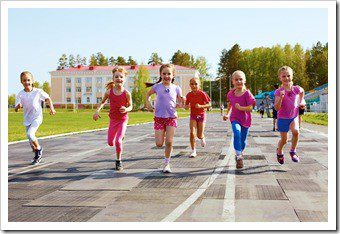
Today our children begin training and playing year round sports from a very early age. The results have been extraordinary in the Wins and Losses column.
The Win column contains the amazing achievements in speed, coordination, and overall results. Unfortunately the Losses have included an increase in injuries. To convert those losses our spinal specialist teams have now incorporated and created special programs to rehabilitate injuries and to help build proper strength foundations and future trainings to help avoid and recover quickly from these injuries.
The ultimate goal is a proper training regiment which will include proper spinal alignments for optimal performance and the investment of a support network of pro-active healthcare body mechanic specialists.
The Whole Picture
In today’s age of health and fitness, more and more kids are involved in sporting activities. Although being part of a football, soccer or Little League team is an important rite of passage for many children, parents and their children could be overlooking the importance of proper nutrition and body-conditioning needed for preventing injuries on and off the playing field.
“The majority, if not all, sports are good, provided that the child prepares appropriately,” says Dr. Timothy Ray, a member of the American Chiropractic Association’s Council on Sports Injuries and Physical Fitness. “Without proper preparation, playing any sport can turn into a bad experience. There are structural and physical developmental issues that need to be taken into consideration before children undertake certain sports.”
Highly competitive sports such as football, gymnastics and wrestling follow rigorous training schedules that can be potentially dangerous to an adolescent or teenager. The best advice for parents who have young athletes in the family is to help them prepare their bodies and to learn to protect themselves from sports related injuries before they happen.
“Proper warm up, stretching and strength-training exercises are essential for kids involved in sports, but many kids learn improper stretching or weight-lifting techniques, making them more susceptible to injury,” says Dr. Steve Horwitz, an ACA member from Silver Spring, MD, and former member of the U.S. Summer Olympic medical team. “Parents need to work with their kids and make sure they receive the proper sports training.”
“Young athletes should begin with a slow jog as a general warm-up, followed by a sport-specific warm-up. They should then stretch all the major muscle groups,” says Dr. Horwitz. “Kids need to be instructed in appropriate exercises for each sport to prevent injuries.”
Proper nutrition and hydration are also extremely vital. “While an ordinary person may need to drink eight to 10 8-ounce glasses of water each day, athletes need to drink even more than that for proper absorption. Breakfast should be the most important meal of the day. Also, eating a healthy meal two to four hours before a practice or a game and another within one to two hours after a game or practice allows for proper replenishment and refuels the body,” adds Dr. Horwitz.
Young athletes today often think they are invincible. The following tips can help ensure your child does not miss a step when it comes to proper fitness, stretching, training and rest that the body needs to engage in sporting activities.
Tips to Boost Positive Results:
- Wear the proper equipment. Certain contact sports, such as football and hockey, can be dangerous if the equipment is not properly fitted. Make sure all equipment, including helmets, pads and shoes fit your child or adolescent. Talk to your child’s coach or trainer if the equipment is damaged.
- Eat healthy meals. Make sure your young athlete is eating a well-balanced diet and does not skip meals. Avoid high-fat foods, such as candy bars and fast food. At home, provide fruit rather than cookies, and vegetables rather than potato chips.
- Maintain a healthy weight. Certain sports, such as gymnastics, wrestling and figure skating, may require your young athlete to follow strict dietary rules. Be sure your child does not feel pressured into being too thin and that he/she understands that proper nutrition and caloric intake is needed for optimal performance and endurance.
- Drink water. Hydration is a key element to optimal fitness. Teenage athletes should drink at least eight 8-ounce glasses of water a day. Younger athletes should drink five to eight 8-ounce glasses of water.
- Drink milk. Make sure your child has enough calcium included in his/her diet. For children over 2 years of age, ACA recommends 1 percent or skim milk rather than whole milk. Milk is essential for healthy bones and reduces the risk of joint and muscle related injuries.
- Avoid sugar-loaded, caffeinated and carbonated drinks. Sports drinks can be a good source of replenishment for those kids engaged in long duration sports, such as track and field, but water is vital.
- Follow a warm-up routine. Be sure your child or his/her coach includes a warm-up and stretching session before every practice, game or meet. A slow jog, jumping rope and/or lifting small weights reduces the risk of torn or ripped muscles. Flexibility is key when pushing to score that extra goal or make that critical play.
- Take vitamins daily. A multi-vitamin and Vitamin C are good choices for the young athlete. Vitamin B and amino acids may help reduce the pain from contact sports. Thiamine can help promote healing. Also consider Vitamin A to strengthen scar tissue.
- Avoid trendy supplements. Kids under the age of 18 should avoid the use of performance-enhancing supplements, such as creatine. Instead, they should ask their coach or trainer to include weekly weight training and body-conditioning sessions in their workout.
- Get plenty of rest. Eight hours of sleep is ideal for the young athlete. Lack of sleep and rest can decrease performance. Sluggishness, irritability and loss of interest could indicate that your child is fatigued.
Ready To Help At The Starting and Finishing Line!
Our amazing team of experts are trained and licensed to treat the entire neuromusculoskeletal system. We are always able to answer questions and able to provide the best advice on sports training, nutrition and injury prevention to young athletes.
Call today we are your biggest fans!