Posts Tagged ‘Chiropractors in New Fairfield CT’

Welcome to Chiropractic Life and Wellness Center's Chiropractors in New Fairfield CT Archive. Here you can learn more about Chiropractic Life and Wellness Center, Chiropractic, and Dr. Brandon Chorney, today's choice for Chiropractors in New Fairfield, CT. Read Dr. Brandon Chorney's Chiropractic Chiropractors in New Fairfield CT for the health of it.

We look forward to serving you! Call - 203-746-6543.

Chiropractic Prepares Puff Daddy for Marathon

prepares for marathon

Two months before the 2003 New York City Marathon, Sean Combs, “Puff Daddy,” decided he was going to complete the 26.2 mile course through Manhattan. After barely making it through a two-mile training session, Combs realized he needed help. He called upon Drew DeMann, DC, MA, CCSP, his “personal sports physician.” DeMann provided Chiropractic care...

Read More >>

Proper Care When Venturing Out With Baby

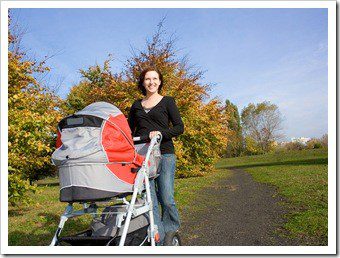
Exercise for Moms with Babies

There is no reason nowadays for new parents who wish to be active not to get out into the great outdoors as a family unit. For many common outdoor activities, there are products designed with the sole aim of making your baby portable. Baby carriers, joggers and trailers all serve to make life easier and an active lifestyle more accessible. However, caution and judgment should be the watchwords when using such items to guard against personal injury.

Biking

A trailer in the form of a rolling ride-along that hooks to the back of a bicycle is a far safer choice than having a baby or child as a passenger on the bike itself. Trailers are more stable and less likely to cause a bicycle to topple over, injuring both rider and passenger.
Bear in mind the following when using a trailer attached to your bike:

  • The trailer must have a harness that secures the child and cannot easily be undone by inquisitive fingers, or wriggled out of.
  • A screen or complete canopy will add protection for the child inside the trailer, in case anything should fly up off the road.
  • Choose a trailer that has large tires like a bicycle to ensure better stability and easier riding for you.
  • Always make sure the child wears a properly-fitted helmet in case the trailer does topple.
  • Stick to level and smooth surfaces to maintain full control. Your child is not ready for the off-road experience just yet.
  • Attach the trailer to the bike of the most experienced rider, and only after that person has regularly practiced with an empty trailer for a couple of weeks.

Jogging

Carrying a baby while jogging is a complete no-no as it can seriously injure the child. Baby joggers can be purchased that allow a parent to go out jogging with their baby in tow. Actually, the parent is behind the baby in this instance, as these are rolling pushcarts with handlebars to maneuver. Points to bear in mind when using these:

  • Buy a jogger with large and adjustable handlebars to allow better control, and keep them as upright as possible.
  • Check the jogger has a handbrake and locking mechanism.
  • Find one with a secure shoulder harness to keep the child safe.
  • Ensure large wheels like those of a bicycle for better control and stability.
  • A screen or complete canopy will add protection for the child, in case anything should fly up off the road.
  • Don’t go cross-country running with it.

Different Styles of Baby Carrier

If walking or hiking is your thing, then carriers in backpack style or front-side style are an option. However, the backpack style is not ideal because the parent cannot monitor what is happening with the child. This is important because a baby’s cervical spine is not fully developed within the first twelve months, therefore the baby’s head should not be allowed to bob around. A front-side carrier would therefore be a better choice for a very young child.

Also consider the following points:

  • Any carrier will reduce the walker’s stability, thus increasing the risk of a fall. Parents must be in good shape and well-practiced on the terrain they intend to tackle. Novice walkers and hikers should avoid using carriers for this reason.
  • Choose a carrier with wide straps for your shoulders and waist to better and more comfortably distribute the weight. The shoulder straps should come over the center of your collarbone.
  • The carrier should have a harness for the child.
  • Once the child is in the carrier, check they are comfortable with no bunched material, particularly against the back, buttocks and spine, as this can cause pain.

Baby Slings

Baby slings can be versatile and comfortable but are only meant for very young infants. Bear in mind these points:

  • Babies can get very hot in these slings, so remember to gauge the temperature around you and keep checking the child is cool enough. Also monitor their breathing and make sure it is not obstructed by the material.
  • Never increase the pace to a jog or run when using a sling or any kind of carrier. Babies are not ready for such movements, and their neck, spine and brain are all vulnerable to being damaged by them.

Take Care of Yourself

Once you know the baby is well-cared for, bear in mind your own health and comfort. Be careful when lifting a child into a trailer or jogger. Bend at the knees, not from the waist, then hold the child to your chest and straighten up using your leg muscles. Keep close to wherever you are depositing the child to minimize strain, and remember that as your arms move away from your body when carrying a child, so the pressure on your spine and musculoskeletal system increases.

Chiropractic Care Can Help

If after these or other outdoor activities you or your child suffers any pain or discomfort, make sure to call your doctor of chiropractic. Chiropractors are licensed and trained to diagnose and treat patients of all ages, and can help provide all sorts of useful advice to make your outdoor activities as safe and enjoyable as possible.

Whiplash Patients Respond Best to Chiropractic

Chiropractic is the Best for Whiplash

Automobile drivers in the United States are involved in over 5 million auto accidents each year. As a result, over 2 million people annually suffer from some form of injury as a result of the crash. Whiplash is the most common injury received by an accident victim. A history of disappointing results in the treatment...

Read More >>

A Healthy New You Through Better Nutrition

Nutrition Advice

You wouldn’t go to a gas station and fill your tank with the wrong type of fuel, would you? Of course not, because you know what the consequences would be. You’d break down a half mile along the road. It’s pretty much the same with the human body, except for one thing: we are such...

Read More >>

Chiropractic Treatment for Scoliosis

Chiropractic Treatment for Scoliosis

Scoliosis is a progressive spinal disease that affects the entire skeletal system including the spine, ribs, and pelvis. It impacts neurological, hormonal and digestive systems and damages the body’s major organs including the heart and lungs. It also severely depletes the body’s nutritional resources.

Surgical rods that fuse the spine do nothing to address the many biological and physiological aspects of scoliosis. In fact, an invasive surgical procedure can merely arrest scoliotic progression.

The Copes Scoliosis Treatment Recovery System(TRS) is a multifaceted treatment plan. It not only arrests spinal curvature, it corrects it — much like orthodontic braces correct teeth.

Spinal curvatures are reversed while the entire system is carefully re-educated to hold the correction.

Chiropractic care is vital to the success of the Copes TRS, and is typically administered 2-3 times per week during the first 12 months of the Copes TRS.  Thereafter, the frequency of chiropractic care is often reduced in accordance with the patient’s overall response to treatment.

Chiropractic physicians correct areas of spinal dysfunction via segmental adjustments and flexion distraction therapy. Heel lifts, tissue analysis and CLF board therapy are also administered by the treating chiropractic physician under the Copes TRS.

Chiropractic Life and Wellness Center Skip to content