Posts Tagged ‘Chiropractor New Fairfield’

Welcome to Chiropractic Life and Wellness Center's Chiropractor New Fairfield Archive. Here you can learn more about Chiropractic Life and Wellness Center, Chiropractic, and Dr. Brandon Chorney, today's choice for Chiropractors in New Fairfield, CT. Read Dr. Brandon Chorney's Chiropractic Chiropractor New Fairfield for the health of it.

We look forward to serving you! Call - 203-746-6543.

What Are My Options When Back Pain Strikes in New Fairfield

New Fairfield Back Pain

Pain of any kind is a warning signal from your body that something is wrong. Some people prefer to silence their warning system with a pain killer and ignore the message their body is desperately trying to communicate. That would be akin to removing the battery from your smoke alarm because your are trying to...

Read More >>

Are you Stressed? Let Chiropractic Help!

Stress Relief

Stress that is short-lived can be beneficial in that it serves to focus our attention on important matters. However, when stress becomes ongoing and chronic, it can cause immense problems for the sufferer and may end up in depression. It can adversely affect our performance at work and elsewhere, and it can lead to a...

Read More >>

Radiating Health for Underweight Baby with Chiropractic

New Fairfield Baby Care

A baby born “down under” who was weak and underweight at birth is now living and walking normally thanks to Chiropractic. When Caylee Taylor was born in Mawson Lakes, Australia, she weighed just 3 pounds. This may have had to do with the fact that her twin sister weighed in at 7 pounds and there...

Read More >>

Understanding and Treating Scoliosis in New Fairfield

Scoliosis New Fairfield

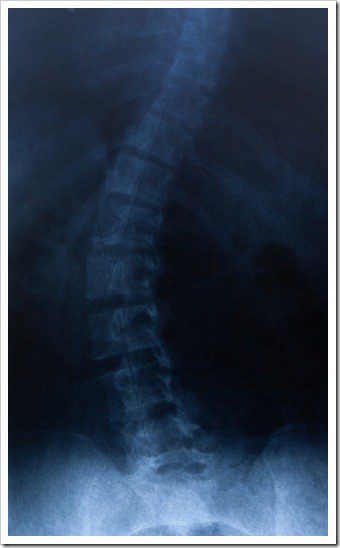
Scoliosis is a condition that affects 5 to 7 million people in the United States, most often adolescents between the ages of 10 and 15, and more commonly girls, although it can affect any age. Over half a million visits to the doctor are made each year to either evaluate or treat scoliosis. As the...

Read More >>

Overworked and Under Pressure – Stress on the Job

New Fairfield Work Stress

Stress has been called the spice of life, the common cold of the psyche, and even a socially acceptable form of mental illness. No doubt, stress can be beneficial for example, a deadline can help us focus and become more alert and efficient. Persistent or excessive stress, however, can undermine performance and make us vulnerable to health problems, from cancer and heart disease to substance abuse and obesity.

Stress is a physical and mental response to the difference between our expectations and our personal experience, real or imaginary. While reacting to stress, the body goes through alarm, resistance, and exhaustion. Released hormone epinephrine, or adrenaline, prepares the body for physical action (“fight or flight”) by increasing heart rate, blood pressure, and blood glucose levels. Then, the body releases glucocorticoid cortisol, or hydrocortisone, producing anti-inflammatory and immunosuppressing effects.

Consequences of Chronic Stress

Although occasional stress can be of benefit, too much stress is taxing on the body. Excessive levels of glucocorticoids can hinder growth, delay wound healing, and increase risk of infection. Chronic stressors or their constant anticipation can make us believe that we must always be on guard, leading to anxiety. Feelings of hopelessness or avoiding solving our problems can spark depression.

Past or present psychological distress can also lead to pain, particularly low back pain, which often comes with leg pain, headaches, sleep problems, anxiety, and depression. Stress may even be a more powerful pain generator than strenuous physical activity or repetitive motion. Research shows, for example, that pain in adolescents is associated with depression and stress, but not with computer use or physical activity.

Stress is highly individual and depends on our circumstances. For example, we react to stress better if we can vent our frustrations, feel in control, hope that things will change for the better, and get social support.

Gender also determines how we handle stress. Women are easily stressed by household problems, conflicts with people, or illness in people they know. Men get more significantly affected by job loss, legal problems, and work related issues. Men are also more likely to get depressed over divorce or separation and work problems. Depression in women, however, is more likely to spring from interpersonal conflicts or low social support, particularly from family.

Stress on the Job

The workplace has become a major stressor, contributing to the risk of hypertension and heart disease. Recent studies have shown, however, that what stresses us out is not so much the job demands, but our attitude toward them. For example, people who react with anger to their high job strain or who are worried about their chronic work overload have much higher morning corsisol levels. Lack of a sense of control over a job is also associated with higher blood pressure, especially in women and in people with higher socioeconomic status.

Stress Relief Is Important

No matter what stresses you out, consider taking active steps to change your attitude toward stress and to reduce stress in your life.

Chiropractic Life and Wellness Center Skip to content