Posts Tagged ‘Chiropractor New Fairfield CT’
Welcome to Chiropractic Life and Wellness Center's Chiropractor New Fairfield CT Archive. Here you can learn more about Chiropractic Life and Wellness Center, Chiropractic, and Dr. Brandon Chorney, today's choice for Chiropractors in New Fairfield, CT. Read Dr. Brandon Chorney's Chiropractic Chiropractor New Fairfield CT for the health of it.
We look forward to serving you! Call - 203-746-6543.
by Dr. Brandon Chorney | Aug 3, 2017 | Health Articles

Next time you are out, look to the person on your left and right or better yet look at the group of people who are just a short distance from you. What you may notice is the rolled shoulders and head forward posture. No, it is not the cell phone they have in their hands that they are staring intently into, but their now adapted postures due to those and other computer devices that have become the absolute norm of our American generation lifestyle.
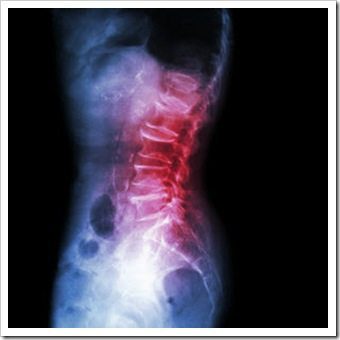
Although we are way ahead in technology, unfortunately, our generation is leading the way in spinal degeneration, arthritis, and chronic illnesses. Lower back pain is now so common that it affects almost 90% of adults with the majority suffering from lumbar arthritis as a contributing factor to their lower back pain.
Let’s Examine Our Spine
The spine is composed of twenty-four moving segments, known as vertebrae, classified into three regions: cervical (neck), thoracic (mid-back), and lumbar (lower back). Between the spinal vertebrae are intervertebral discs that act as shock absorbers. Theses discs are anchored to the vertebrae by the collagen fibers allowing movement between vertebrae and the distribution of weight bearing forces from one vertebra to the next in the spine.
The intervertebral discs often lose their elasticity and hydration with age and poor posture or as the result of an injury. The loss of elasticity decreases their ability to handle all the load bearing forces of daily activity. When the discs thin, this changes the relative position of the vertebrae and the connective tissues throughout the rest of the spine. Over time, this thinning of the disc could progress to where the vertebra is effectively lying on the next vertebra. The loss of disc space often results in increased pain and decreased ranges of motion.
Ultimately, this pattern of degeneration can lead to microfractures and cartilage injury. Although the body tries to replace and repair the damage, it is often insufficient to overcome the degenerative process without assistance.
Could I Have Arthritis?
The classic symptomatology of arthritis includes joint pain, swelling, and stiffness. As with most forms of osteoarthritis, pain and stiffness are the most pronounced symptoms in the morning. As movement increases over the course of the day, the symptoms tend to subside. In general, if there is no evidence of nerve root compromise, pain from an arthritic spine is localized with possible dull aching.
If the degeneration of the spine continues into a diagnosis of spinal stenosis patients may experience numbness, tingling, or weakness in the legs due to irritation of the lumbar nerve roots.
Available Treatment Options
Lumbar arthritis and back pain is usually responsive to conservative management.
During an acute attack of back pain, relative rest that avoids activities that aggravate the symptoms may reduce inflammation. Drinking moderate amounts of water frequently while minimizing caffeinated drinks will also be beneficial in helping hydrate the discs.
For long term relief, lifestyle modifications must be undertaken. This includes weight loss when appropriate as it will have a tremendous impact on reducing back pain due to the lumbar spine bearing the weight of the upper body and weight of the head.
Exercise is also critical as it will contribute to reducing weight while increasing muscle strength to support the lower back. You should consult your chiropractic physician before beginning any exercise or diet program.
Your chiropractor and their spinal rehabilitation team may prescribe spinal decompression in combination with rehabilitative therapy. Working with a rehabilitative team to design a proper exercise regimen will be useful for strengthening core muscles and minimizing your back pain.
We Can Help!
Our team understands that long-term back pain is not only physically debilitating but emotionally exhausting. To serve our community, we have built an expert team committed to working together harmoniously to help you or your loved ones recapture the quality of life they desire – pain-free!
by Dr. Brandon Chorney | Jul 6, 2017 | Health Articles
The summer season is in full swing! As we are enjoying the warm weather, barbecues and the excitement of long awaited vacations, are you feeling red with anger, white with pain, and emotionally blue with being park-benched with low back and leg pain? If so, read on. What is Sciatic Nerve Pain? Your sciatic nerve...
Read More >>
by Dr. Brandon Chorney | May 23, 2017 | Health Articles
Our society for the most part lives for the exhilaration of endorphins that we release as we strive for the goal line of victory. We simply love winning. Our addiction will often be the force that drives us to the next challenge. We know that our win is never based on "good luck" but our...
Read More >>
by Dr. Brandon Chorney | Apr 25, 2017 | Health Articles
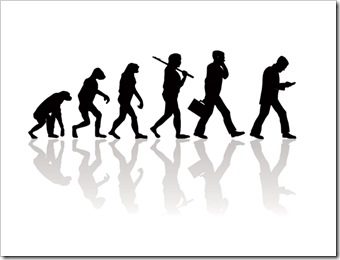
Man's trajectory from the beginning has been to come, become, adapt, and grow. Our evolution from even a small infant can be measured by lying to sitting, sitting to crawling, and finally crawling to standing. With this said our species from an outside observer would now be entered as the era of de-evolution of man....
Read More >>
by Dr. Brandon Chorney | Feb 28, 2017 | Health Articles
Are you sitting on the sideline for some of your favorite activities due to a shoulder injury that is making many routine activities challenging and painful? Or have you played through telling yourself it will heal or you will address later?
Be warned! It could be an injury to your rotator cuff! Your shoulder injury that may have started off as a minor injury could now be leading to a larger one where the repair process is more substantial.
What Is The Rotator Cuff Exactly?
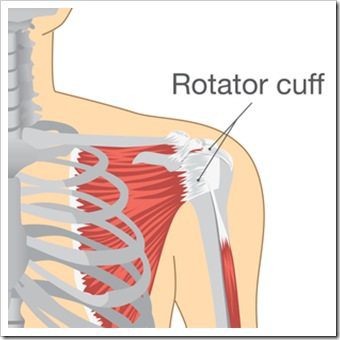
The shoulder joint’s support and stability are made up by an intricate group of muscles that surround the cap of the shoulder called the cuff.
The rotator cuff itself consists of four muscle groups which lie all around the shoulder blade – in front, either side and on top. These muscle groups fibers then all lead up to the arm bone where they become join the tendons and attach onto the top part of the arm. Their function is to stabilize the shoulder joint while allowing the shoulder to move and turn through a wide range of motions enabling us to perform an incredible variety of functions with our arms.
This structural feat is amazing, but due to this flexibility and mobility, rotator cuff injuries are very common. A small injury can happen in one of the tendons or muscles and can very quickly progress to irritating other adjacent areas due to compensation patterns.
Understanding Rotator Cuff Injuries
Rotator cuff injury is a broad term used to describe any damage to the rotator cuff. Common injuries to the shoulder and rotator cuff include partial tears in the muscles and tendons, which can result from acute injury or repetitive wear and tear over the long term.
Common Symptoms of a Rotator Cuff Injury
The inability to lift the arm at the shoulder out to the side
Pain on putting a coat on or pain when sleeping on that side at night. Radiating pain down the arm towards the elbow or even radiating down into their hands.
The Two Main Causes
In the case of rotator cuff injuries, they are commonly separated into two defining causes which are ‘repetitive micro-trauma’ and ‘traumatic injuries‘.
Repetitive Micro-trauma Injuries: In repetitive use injuries to the rotator cuff, repeated activities cause damage to the rotator cuff tendons. Over time, the tendons wear faster than the body can repair them allowing a micro-tear to develop within the tendons. Most often patients suffering from repetitive strain have complaints of shoulder pain before developing tears in the rotator cuff tendons.
Traumatic Injuries: Traumatic injuries to the rotator cuff are seen after events such as throwing, golf and falling onto an outstretched arm. The traumatic event can cause the tear in the rotator cuff tendons. This type of injury is much less common than repetitive use injuries.
Although partial tear injuries are more commonly suffered, full tears to the tendon are frequently found in older sufferers. A complete tear injury is found more often because as we age, the muscle and tendon tissue of the rotator cuff loses some elasticity. With the loss of elasticity, the blood flow to the mid part of the tendon becomes inadequate. Therefore, healing is slower and degenerative changes are often found.
You Deserve The Best Treatment
The most beneficial treatment process delivers the best results when a Chiropractic physician also provides detailed physical rehabilitative programs targeted to preserve and build muscle strength during the healing process.
Developing a treatment plan individualized to the particular cause of the injury is crucial.
The musculoskeletal specialist, such as a chiropractor and one who specializes or works with specialists in physical rehabilitation will result in the highest quality of care for this injury as the full recommendation will lead to in quickest and fastest healing results.
Physical rehabilitation and rest are the recommended course of action for effective reduction of pain and restoration of full function to the arms and shoulders. As with many other repetitive movement injuries, massage therapy in conjunction with chiropractic care can provide not only pain relief but the highest restoration of range of movement.
Soft tissue treatments such as ART and Graston work to reduce the frequency and symptoms of inflammation, sending fibrous adhesions that inhibit functional movement back into circulation.
Kinesiotape can be beneficial as well by helping correct and maintain proper shoulder positioning throughout the day by stimulating proprioception, increasing your body’s positional awareness.
Ready To Get Back Into The Swing?
Shoulder injuries do not need to be athletically related and can happen at any age.
If you are currently sidelined from the activities you love due to injury, please contact us today so we may help you get back into the game of life!
Our team is experts in the correction and rehabilitation of musculoskeletal injuries including rotator cuff injuries.


 Are you sitting on the sideline for some of your favorite activities due to a shoulder injury that is making many routine activities challenging and painful? Or have you played through telling yourself it will heal or you will address later?