Posts Tagged ‘Chiropractic in New Fairfield CT’

Welcome to Chiropractic Life and Wellness Center's Chiropractic in New Fairfield CT Archive. Here you can learn more about Chiropractic Life and Wellness Center, Chiropractic, and Dr. Brandon Chorney, today's choice for Chiropractors in New Fairfield, CT. Read Dr. Brandon Chorney's Chiropractic Chiropractic in New Fairfield CT for the health of it.

We look forward to serving you! Call - 203-746-6543.

Raking Leaves

Raking Leaves

If your home is subjected to leaves falling each year, you’ll have to rake them up, and probably more than once each season. And you’ll almost certainly know about the consequences of leaf-raking on the body, including strain and pain in the neck, the upper and lower back, and in the shoulders.

Just because you’re not chasing around a football pitch or playing a racquet sport doesn’t mean your body isn’t suffering the stresses of exercise. But whereas you might routinely warm up before sport or exercise, it may not occur to you to do the same before such activities as raking the leaves in your garden. Without a good warm-up, you run the risk of injury.

Tips to Make Raking Easier

  • Stretch smoothly before you commence work, and throughout, performing knee-to-chest stretches, trunk rotations, and side bends with hands above the head, palms up and fingers weaved. Spend 10 to 15 minutes all together on your stretching. Intersperse the work with a short walk to get the circulation going throughout the body, and do the same stretches as a cool-down once you’ve finished.
  • As you rake, stand erect with your head held up.
  • If possible, avoid working outside when it’s hot. In these circumstances, finish by 10am, or start after 6pm.
  • Use a “scissors” stance when raking; that is, keep one foot forward for a few minutes, then swap and put the back foot forwards.
  • When bending to pick up leaves or any other trash, bend at the knees not the waist.
  • When mowing the lawn, put your whole body into the pushing, not just your arms and back.
  • When starting a mower with a pull cord, bend at the knees and extend up in a smooth motion. Don’t twist at the waist or yank at the cord.
  • Keep well-hydrated by drinking plenty of water, and wear a hat in the sun. Always wear shoes and protective glasses, and use gloves if your hands are likely to receive rough treatment that might raise blisters. When using loud machinery, employ ear-protectors, and if you suffer from asthma or allergies, use a mask.
  • Try to use ergonomically-friendly tools that help take the strain from your muscles and joints.
  • An ice-pack can be used to ease any discomfort you feel following raking or other outdoor work. Talk to your doctor of chiropractic if this doesn’t ease within 2 or 3 days.

Strains, Pains and Automobiles

Strains Pains and Autobiles

Traveling in any mode of transport can be physically demanding. Even if the final destination is a luxury holiday, getting there can leave you tired, stressed and in pain. Sitting down for too long can cause significant problems for the body. No matter how comfortable the seat or surroundings, pressures build and blood flow is...

Read More >>

Suffering for your Fashion

Suffering For Your Fashion

Even if you love fashion, you must know that it’s a pretty fickle beast. What’s in one day is passé the next. You spend hundreds on an item in March, and then wouldn’t be seen dead with it in May. But the worst of it is the toll it can take on you physically. No...

Read More >>

Advice on Maintaining Good Posture

Maintaining Good Posture

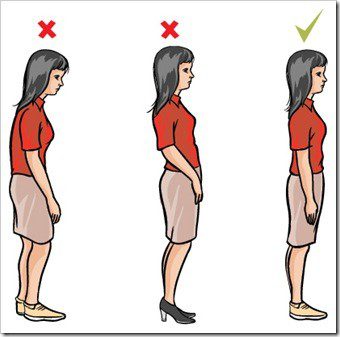
Few people understand the true importance of maintaining good posture. Despite our hearing about it on a pretty regular basis, why it matters and how to achieve it remain a little murky for many. Why good posture matters Good posture is more than standing up straight. You have posture when you stand, walk, sit, kneel,...

Read More >>

Temporomandibular Joint Disorder

Temporomandibular Joint Disorder

Temporomandibular Joint Disorder, also abbreviated to TMD or TMJ, is the name for a variety of conditions that affect the jaw joint. Symptoms vary from case to case, as does the severity of the symptoms. Most people who suffer pain in the jaw muscles or joints experience only temporary or cyclical problems. Other people go on to develop chronic symptoms and are diagnosed as having TMD.

Signs of TMD may include:

  • Radiating pain in your face, neck, or shoulders
  • Limited movement or locking of your jaw
  • Difficulty opening your mouth wide
  • Pain when you chew or yawn
  • Painful and/or loud clicking or grating when you open or close your mouth
  • Pain or soreness in front of your ear, or in your jaw muscle, cheek, teeth, or temples
  • A noticeable change in the way your upper and lower teeth fit together
  • Headaches, earaches, dizziness, difficulties hearing or swallowing

If you have any of the above problems, your doctor of chiropractic can help identify whether TMD is responsible and offer appropriate conservative treatment if necessary.

Causes of TMD

TMD experts categorize the condition in three ways:

  • Myofascial pain that affects the jaw, neck, and shoulders. (Myofascial refers to the muscles, not the face)
  • Dislocation of the jaw or displacement of a disc
  • Degenerative joint disease, meaning rheumatoid arthritis or osteoarthritis in the jaw joint

A physical insult to the jaw is a major cause of TMD. This may be in the form of a knock while playing sport, a punch, or simply through overuse syndromes such as excessive gum-chewing, or significantly favoring one side of the mouth over the other when chewing.

Extended periods of physical stress can also lead to TMD. For example, sitting in a dentist’s chair with your mouth wide open for hours, although most dentists are aware of this problem and schedule breaks for the patient, or screen them prior to treatment for any jaw joint issues. If there is a problem, appropriate physical therapy may be required after treatment, or the patient may be asked to prepare before treatment with a series of jaw-loosening exercises.

Emotional stress can also contribute to TMD, although it is not in itself a cause. When a person is stressed and reacts physically through repeated teeth clenching or grinding, especially when this happens unconsciously at night, TMD may develop if the stress continues to produce these physical effects for any length of time.

Certain conditions that used to be labeled as causes of TMD are now referred to as just triggers. This includes moderate gum chewing, jaw clicking that causes no pain, orthodontic treatment that does not involve excessive opening of the mouth, and upper and lower jaws that have never fitted together properly.

Women are four times more likely to experience TMD than men, which may be down to postural differences, exacerbated by high heels.

Diagnosis and Treatment of TMD

If your doctor of chiropractic is required to assess TMD as a possible cause of your symptoms, you may be asked to do several things: place three fingers vertically in your mouth and bite down, open and close your mouth, and chew repeatedly. The chiropractor will check your jaw joint and muscle balance as your do these exercises and this is usually sufficient to confirm or rule out TMD. You will also be checked for any signs of inflammation and abnormalities. If further investigation is required to confirm diagnosis, an x-ray or MRI may be ordered.

If it is TMD, you may require chiropractic manipulation and massage, the application of heat and ice, and special exercises, with the primary aim of alleviating any pain. You may also be referred to a dentist or orthodontist if any appliances or splints are required to reduce the causes of the TMD.

Further chiropractic advice for dealing with TMD:

  • Heat and ice. An ice pack isrecommended shortly after the injury or onset of pain. Later on, heat will help promote healing and reduce discomfort.
  • Certain joint movements need to be avoided, such as chewing on hard foods, or eating food that causes the mouth to open too wide.
  • TMD-specific stretching or strengthening exercises may be prescribed according to the specific case, and special feedback sensors in the jaw may need to be retrained.
Chiropractic Life and Wellness Center