Posts Tagged ‘Chiropractic in New Fairfield CT’
Welcome to Chiropractic Life and Wellness Center's Chiropractic in New Fairfield CT Archive. Here you can learn more about Chiropractic Life and Wellness Center, Chiropractic, and Dr. Brandon Chorney, today's choice for Chiropractors in New Fairfield, CT. Read Dr. Brandon Chorney's Chiropractic Chiropractic in New Fairfield CT for the health of it.
We look forward to serving you! Call - 203-746-6543.
by Dr. Brandon Chorney | Oct 11, 2011 | Health Articles

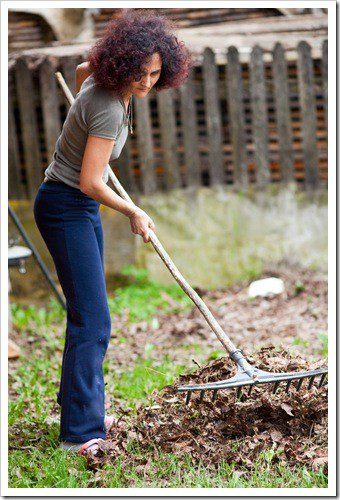
If your home is subjected to leaves falling each year, you’ll have to rake them up, and probably more than once each season. And you’ll almost certainly know about the consequences of leaf-raking on the body, including strain and pain in the neck, the upper and lower back, and in the shoulders.
Just because you’re not chasing around a football pitch or playing a racquet sport doesn’t mean your body isn’t suffering the stresses of exercise. But whereas you might routinely warm up before sport or exercise, it may not occur to you to do the same before such activities as raking the leaves in your garden. Without a good warm-up, you run the risk of injury.
Tips to Make Raking Easier
- Stretch smoothly before you commence work, and throughout, performing knee-to-chest stretches, trunk rotations, and side bends with hands above the head, palms up and fingers weaved. Spend 10 to 15 minutes all together on your stretching. Intersperse the work with a short walk to get the circulation going throughout the body, and do the same stretches as a cool-down once you’ve finished.
- As you rake, stand erect with your head held up.
- If possible, avoid working outside when it’s hot. In these circumstances, finish by 10am, or start after 6pm.
- Use a “scissors” stance when raking; that is, keep one foot forward for a few minutes, then swap and put the back foot forwards.
- When bending to pick up leaves or any other trash, bend at the knees not the waist.
- When mowing the lawn, put your whole body into the pushing, not just your arms and back.
- When starting a mower with a pull cord, bend at the knees and extend up in a smooth motion. Don’t twist at the waist or yank at the cord.
- Keep well-hydrated by drinking plenty of water, and wear a hat in the sun. Always wear shoes and protective glasses, and use gloves if your hands are likely to receive rough treatment that might raise blisters. When using loud machinery, employ ear-protectors, and if you suffer from asthma or allergies, use a mask.
- Try to use ergonomically-friendly tools that help take the strain from your muscles and joints.
- An ice-pack can be used to ease any discomfort you feel following raking or other outdoor work. Talk to your doctor of chiropractic if this doesn’t ease within 2 or 3 days.
by Dr. Brandon Chorney | Oct 4, 2011 | Health Articles
Traveling in any mode of transport can be physically demanding. Even if the final destination is a luxury holiday, getting there can leave you tired, stressed and in pain.
Sitting down for too long can cause significant problems for the body. No matter how comfortable the seat or surroundings, pressures build and blood flow is restricted. This is why some people experience DVTs on long-haul flights; because pressure builds up in the blood vessels of the lower legs as the blood becomes more sluggish. Contracting and relaxing the muscles can help to counter this and help the blood flow better.
The following advice will help you to travel more comfortably, and more safely:
Warm Up and Cool Down
Travel should be looked on as a form of strenuous exercise that requires a period of warming up and cooling down. Warm up and stretch before you travel, and cool down with a brisk walk when you arrive to reinvigorate your hamstring and calf muscles.
Car Travel
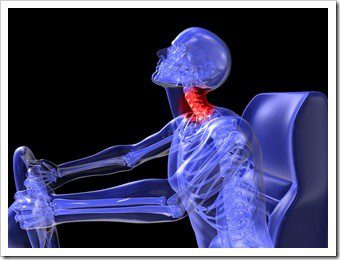
- If you are driving, adjust the seat so you’re as close to the wheel as you can be while still feeling comfortable. Keep the knees just a little bit above the hips.
- Use a back support if the seat does not provide adequate support by design. This will help reduce the risk of low-back pain and injury. The support should be widest between the lowest ribs and the waist.
- Exercise your legs while driving to keep the blood flowing and limit any swelling or pain. Count to 10 while spreading your toes wide; count to 5 while tightening your calf muscles, followed by your thigh muscles, then your glutes (butt); roll your shoulders back and forward (keeping your hands on the wheel!).
- Alternate holding the wheel with your hands at the 2 and 7 o’clock positions, and then the 10 and 5 o’clock positions.
- Try not to grip the wheel too tightly, which reduces the circulation and increase fatigue in the muscles of the hands, wrists and arms.
- Vary your focal point to reduce eye strain and headaches, but keep your eyes on the road.
- Take frequent breaks from driving; remember that fatigue behind the wheel can kill.
Air Travel
- Airline seats are incredibly spine-unfriendly. Standing up straight, familiarize yourself with the normal curve of your spine, then use rolled-up towels to recreate that curve when sitting down. Use another between your neck and the headrest.
- Bags heavier than 5-10% of your body weight should ideally be checked in rather than carried on. Lifting heavy bags into overhead lockers can hurt the spine. Whatever the weight of the bag, make sure you stand directly in front of the compartment and do not twist your back or neck when lifting.
- Under-seat luggage should not be forced in using feet or hands while standing, which can cause muscle spasms given the confined and awkward space between the seats. Instead, sit down first, then push it in using both your hands and feet.
- Move about in your seat frequently to keep the blood flowing and guard against cramps. Massage your thighs and calves, then push up with your toes to shift your knees up and down. Use a bag to raise your feet higher.
- Don’t blast yourself with the overhead air vents which can cause your neck and shoulders to tense.
Traveling Safely with Kids:
- Use an approved car seat appropriate to the age of the child when traveling in a car.
- Infant car seats should always face rearwards so that any impact is spread around the back and shoulders and not taken directly by the neck.
- A car seat should not be used in the front seat of a car where an airbag could deploy into it. Similarly, if the rear doors or the rear of the front seats are equipped with airbags, position the child seat in the center of the rear seat to avoid it being hit by any of them.
- Secure the car seat as per instructions and make sure it is properly fixed in place and cannot shift. The seat should be at a 45-degree angle to properly support the child’s head.
- Traveling by air, ask if a car seat can be used which is safer than seating a child on your lap.
Chiropractic Care is There
If you are in any lingering pain following travel, seek the advice and help of a doctor of chiropractic. Chiropractors are trained to diagnose and treat people of all ages.
by Dr. Brandon Chorney | Sep 27, 2011 | Health Articles
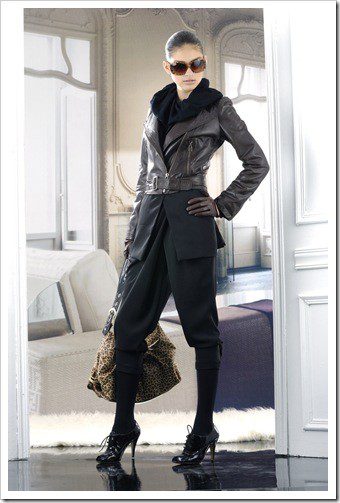
Even if you love fashion, you must know that it’s a pretty fickle beast. What’s in one day is passé the next. You spend hundreds on an item in March, and then wouldn’t be seen dead with it in May. But the worst of it is the toll it can take on you physically. No...
Read More >>
by Dr. Brandon Chorney | Sep 20, 2011 | Health Articles
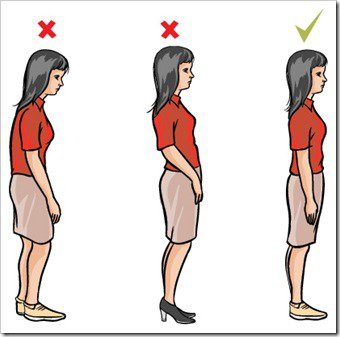
Few people understand the true importance of maintaining good posture. Despite our hearing about it on a pretty regular basis, why it matters and how to achieve it remain a little murky for many. Why good posture matters Good posture is more than standing up straight. You have posture when you stand, walk, sit, kneel,...
Read More >>
by Dr. Brandon Chorney | Sep 13, 2011 | Health Articles
Temporomandibular Joint Disorder, also abbreviated to TMD or TMJ, is the name for a variety of conditions that affect the jaw joint. Symptoms vary from case to case, as does the severity of the symptoms. Most people who suffer pain in the jaw muscles or joints experience only temporary or cyclical problems. Other people go...
Read More >>