Archive for the ‘Health Articles’ Category
Welcome to Chiropractic Life and Wellness Center's Health Articles Archive. Here you can learn more about Chiropractic Life and Wellness Center, Chiropractic, and Dr. Brandon Chorney, today's choice for Chiropractors in New Fairfield, CT. Read Dr. Brandon Chorney's Chiropractic Health Articles for the health of it.
We look forward to serving you! Call - 203-746-6543.
by Dr. Brandon Chorney | Feb 18, 2016 | Health Articles

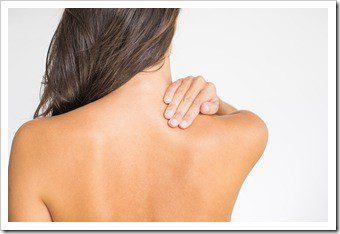
Would it not be wonderful to delete our neck pain as easily as clicking on an app? Unfortunately are vision of a solution could be one of a combination of reasons we are suffering with our neck pain. Understanding the Mechanics If you think about the mechanics of your neck, you’ll realize it’s not surprising...
Read More >>
by Dr. Brandon Chorney | Feb 11, 2016 | Health Articles
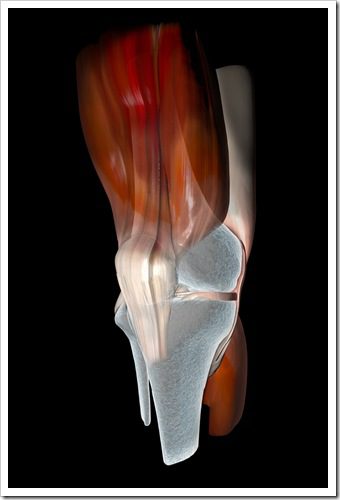
Injuries are an athlete’s worst nightmare. In fact, nothing at the moment can be more upsetting than a knee injury to set you back. These knee injuries are not just career threatening problems, but also could be affecting you in your present daily activities.
Whether you are an athlete, weekend warrior, or daily career veteran every step you take could be agonizing by one of these knee injuries that you have recently sustained or an old injury that may have left you with chronic pain.
When an injury or condition is diagnosed the description often is more frightening than the prognosis. To help you understand, we quickly outlined two very common knee injuries, a lateral meniscus tear and a medial meniscus tear; plus, a solution you may have not considered.
The Meniscus
The meniscus are two semi circular cartilage discs (medial and lateral) which act as shock absorbers in the knee joint. They are commonly injured by excessive twisting motions causing symptoms of pain on the inner surface of the knee joint (for medial tears) or pain on the outside of the knee joint (for lateral tears). The individual may also have difficulty weight bearing with a feeling of the knee locking or giving way.
What Is A Lateral Meniscus Tear?
The lateral meniscus sits on the outside of the upper surface of the tibia (shin bone). It is an essential shock absorber in the knee joint and allows even weight distribution through the joint between the tibia and femur (thigh bone) during weight bearing activities. The lateral meniscus is less commonly injured compared to the medial meniscus as it does not attach to as many structures.
Causes of a Lateral Meniscus Tear
The most common cause of this type of injury is a twisting at the knee which can occur in many sports including football, soccer, gymnastics and skiing. The lateral tear often happens when the foot is fixed on the ground while another exerted force causes excessive twisting such as a blow from a tackle or landing from a jump. Overuse meniscal injuries can also occur as a result of repetitive twisting and weight bearing, leading to degeneration of the cartilage.
What Is A Medial Meniscus Tear?
The medial meniscus sits on the inside of the upper surface of the tibia (shin bone). It is another essential shock absorber in the knee joint and allows even weight distribution through the joint between the tibia and femur (thigh bone) during weight bearing activities. The medial meniscus is attached to the medial collateral ligament (MCL) and joint capsule making it more prone to injury than the lateral meniscus due to its reduced mobility.
Causes of a Medial Meniscus Tear
External forces such as a tackle to the outside of the leg are prone to injure the medial meniscus. As it has restricted mobility, it can often become injured as a result of damage to the MCL and anterior cruciate ligament (ACL). The most common cause of injury is a twisting at the knee which can occur in many sports including rugby, football, tennis and skiing. Overuse meniscal injuries can also occur as a result of excessive twisting and weight bearing, leading to degeneration of the cartilage.
Symptoms of a Lateral or Medial Meniscus Tear
Symptoms of a tear include a sharp pain on the outer surface of the knee for a lateral tear and a sharp pain on the inner surface of the knee for a medial tear. Swelling occurs along with pain when rotating the knee and a sense of weakness or “giving way”. The knee may lock during certain movements and the individual may be unable to bend the knee fully or weight bear on the injured side, depending on the severity of damage.
So What Can I do?
It is important to rest the joint and avoid the movements which aggravate the symptoms. Icing is important to help ease the pain and any swelling that may be present.
In recovery it is important to avoid placing your body in an unbalanced position for a long duration of time. As your body is leaning away from the injury the body will be constantly compensating. This compensation with lead to greater stress on the joints, predisposing to further muscle strains and ongoing distortions to other parts of your body which will cause wear and tear in other areas of the spine, pelvis and opposite knee. Over time this abnormal posture of imbalances and poor alignment becomes the new normal causing more wear and degeneration leading to chronic pain and degenerative conditions.
A Solution Not Yet Used Enough!
If you have had a recent knee injury or are a fallen hero of years gone by who are suffering with knee pain, come and get a check up by an expert in human mechanics. Our expert team not only has solutions to help heal faster and correctly, but has the equipment and game plan to build you stronger to win any game you may choose to play in life.
by Dr. Brandon Chorney | Feb 4, 2016 | Health Articles
Its a brand new year and our intentions are extremely high but our energy may now be waning due to the baggage of pain and old habits we forgot to leave in 2015. Our modern lifestyle is full of repetition in which we embrace with the “work hard – play hard” motto. Unfortunately we have also embraced that there is no time for pain; so we mask and push through the pain as long as possible. Most often we listen to our bodies only when the pain becomes to much to bear and that our range of motion has been compromised.
Everyone will develop scar tissue at some point in their life, but chiropractors and their expert offices are reporting a rise in the occurrence of scar tissue in patients at a younger age. The one upside is that adults and teenagers are coming into their offices earlier, where this this type of problem is identified and a non-surgical treatment is started which provides the best outcome long term.
What Is Scar Tissue?
Scar tissue is the body’s natural reaction to injury, no matter how small or slight. Everyday actions that most people wouldn’t regard as an injury can create scar tissue. The scar tissue occurs when there are small tears or kinks in the collagen which your body’s soft tissues are made from.
Most often repetitive motions lead to micro-trauma and as part of the body’s healing system, scar tissue is produced. However, scar tissue interferes with the range of motion and the smooth movement of muscle. This interference then creates trigger points.
Understanding “Trigger Points”
Stiffness and reductions in strength are caused by small bits of scar tissue that bind tissue around them, these are called adhesions. Trigger points are created when a nerve becomes trapped in these adhesions, this is usually where pain can radiate from. Painful movements result in a reduction of activity, which in turn leads to a further reduction in the range of motion. Due to the fact that scar tissue is less flexible, has less circulation and is less elastic than normal tissue, the muscles become weaker and shorten. It is vital that these scar tissue adhesions are removed in order to reduce pain and restore the strength and proper range of motion.
There are many therapies that can be used to to break up the scar tissue and release the trapped nerves. These therapies include ART (Active Release Technique), Graston Technique and Myofascial Release. Many chiropractors use these techniques to help release the nerves and stop the radiating pain. The Graston Technique uses different steel instruments to break up the scar tissue, whereas ART and Myofascial Release are a more hands-on approach.
We Can Help!
Most chiropractors and their amazing teams will include one or more of these therapies to help their patients regain strength and range of motion. Along with chiropractic adjustments these therapies can be extremely useful in the treatment of scar tissue, trapped nerves and radiating pain.
Just ask your chiropractor if they offer any of these treatments and see how they can help to relieve the pain you’re experiencing.
by Dr. Brandon Chorney | Jan 28, 2016 | Health Articles
The winter season is upon us. Whether you live in a climate that naturally enjoys the excitement of the cold brisk weather or you travel to enjoy a snow holiday, here are a few great tips to keep you safe and healthy. Warming Up To Winter Snow, ice, and cold weather are part of the seasonal...
Read More >>
by Dr. Brandon Chorney | Jan 21, 2016 | Health Articles
This is it! You have committed to eat right and loss the weight you promised to lose every year. Remember that statement you made on New Years? We know you do and want you to reach out and let us help you conquer finally that resolution to lose weight and to keep it off. The...
Read More >>
by Dr. Brandon Chorney | Jan 14, 2016 | Health Articles
Another flyer to the local gym lands in your mailbox. You have committed that this is the year of my best body and you quickly call to join. It’s hard work, it hurts, and could be slightly embarrassing but in our minds we are still in our prime; so what could the downside be? The Down...
Read More >>