Author Archive
Welcome to Chiropractic Life and Wellness Center's Archive. Here you can learn more about Chiropractic Life and Wellness Center, Chiropractic, and Dr. Brandon Chorney, today's choice for Chiropractors in New Fairfield, CT. Read Dr. Brandon Chorney's Chiropractic for the health of it.
We look forward to serving you! Call - 203-746-6543.
by Dr. Brandon Chorney | Mar 12, 2013 | Health Articles

Pain of any kind is a warning signal from your body that something is wrong. Some people prefer to silence their warning system with a pain killer and ignore the message their body is desperately trying to communicate. That would be akin to removing the battery from your smoke alarm because your are trying to...
Read More >>
by Dr. Brandon Chorney | Mar 7, 2013 | Health Articles
How can I get the most nutrition from the vegetables I eat? There is a major difference in the nutrition of the vegetables you eat, depending on what form you eat them in. The freshest and least processed are generally the vegetables supplying the most nutrients.
Right after harvest the nutrients in any vegetable begin to deteriorate, including those all-important antioxidants. The sooner a vegetable is eaten after it’s picked, the more nutrients it has. Having a home garden is excellent, as you can simply walk out your door, pick what you need and plop it straight into the cooking pot or salad bowl. Of course, not everyone has the space or time for a garden, so what’s the next best thing?
A farmers’ market! The veggies from a farmers’ market are usually grown locally and are normally fresher than what you can get at the supermarket. Barring that, the next best choice is, surprisingly, frozen vegetables.
What most people don’t know is that frozen food can often be more nutritious for you than fresh, especially if the fresh variety has been transported over a long distance. If you’re living in New York and are eating fresh peas grown in California, those peas have endured a number of days in a truck before arriving at your market.
Also, any sugars in the vegetable begin to convert to starch from the moment it’s picked, which is why freshly picked corn straight from the farm is so much sweeter than the kind that has been sitting in the supermarket for a few days. However, frozen peas and many other vegetables are generally flash frozen on the spot where they are harvested, preserving those nutrients.
On a whole, vegetables that have been cooked are generally not as nutritious as raw. Remember if you do cook them be sure to do it only long enough make them tender. The longer they cook, the greater the nutrient loss. There are, however, some exceptions. Tomatoes, for example, provide greater amounts of lycopene when they are cooked than when eaten raw. Cooking breaks down the plant’s cell walls, releasing greater amounts of nutrients. Zucchini, carrots and broccoli are best eaten cooked for this reason.
The lowest in nutrients are canned vegetables. Many of the vitamins are lost in processing under high heat. The water-soluble vitamins B and C and polyphenols are easily lost when canned or boiled. Researchers at the University of California found that between 85 and 95 percent of the vitamin C in canned peas and carrots were lost in the processing. The vegetables containing fat-soluble vitamins such as A, D, E and K can be steamed or boiled, however, without losing a great amount of nutrients.
Raw vegetables are generally best, but if you find eating raw veggies unappealing to the point where you avoid them, its fine to eat them lightly cooked. Better to get some healthy nutrients than none at all!
Good nutrition can sometime appear to be very complex as our understanding of it is constantly evolving. If you have questions about your current nutrition or supplement plan, please ask.
We look forward to helping you!
by Dr. Brandon Chorney | Mar 5, 2013 | Health Articles
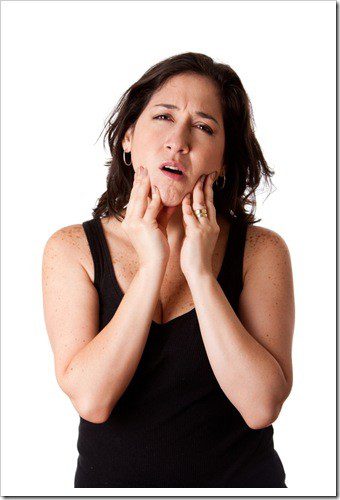
Temporomandibular Joint Disorder, also abbreviated to TMD or TMJ, is the name for a variety of conditions that affect the jaw joint. Symptoms vary from case to case, as does the severity of the symptoms. Most people who suffer pain in the jaw muscles or joints experience only temporary or cyclical problems. Other people go on to develop chronic symptoms and are diagnosed as having TMD.
Signs of TMD may include:
- Radiating pain in your face, neck, or shoulders
- Limited movement or locking of your jaw
- Difficulty opening your mouth wide
- Pain when you chew or yawn
- Painful and/or loud clicking or grating when you open or close your mouth
- Pain or soreness in front of your ear, or in your jaw muscle, cheek, teeth, or temples
- A noticeable change in the way your upper and lower teeth fit together
- Headaches, earaches, dizziness, difficulties hearing or swallowing
If you have any of the above problems, your doctor of chiropractic can help identify whether TMD is responsible and offer appropriate conservative treatment if necessary.
Causes of TMD
TMD experts categorize the condition in three ways:
- Myofascial pain that affects the jaw, neck, and shoulders. (Myofascial refers to the muscles, not the face)
- Dislocation of the jaw or displacement of a disc
- Degenerative joint disease, meaning rheumatoid arthritis or osteoarthritis in the jaw joint
A physical insult to the jaw is a major cause of TMD. This may be in the form of a knock while playing sport, a punch, or simply through overuse syndromes such as excessive gum-chewing, or significantly favoring one side of the mouth over the other when chewing.
Extended periods of physical stress can also lead to TMD. For example, sitting in a dentist’s chair with your mouth wide open for hours, although most dentists are aware of this problem and schedule breaks for the patient, or screen them prior to treatment for any jaw joint issues. If there is a problem, appropriate physical therapy may be required after treatment, or the patient may be asked to prepare before treatment with a series of jaw-loosening exercises.
Emotional stress can also contribute to TMD, although it is not in itself a cause. When a person is stressed and reacts physically through repeated teeth clenching or grinding, especially when this happens unconsciously at night, TMD may develop if the stress continues to produce these physical effects for any length of time.
Certain conditions that used to be labeled as causes of TMD are now referred to as just triggers. This includes moderate gum chewing, jaw clicking that causes no pain, orthodontic treatment that does not involve excessive opening of the mouth, and upper and lower jaws that have never fitted together properly.
Women are four times more likely to experience TMD than men, which may be down to postural differences, exacerbated by high heels.
Diagnosis and Treatment of TMD
If your doctor of chiropractic is required to assess TMD as a possible cause of your symptoms, you may be asked to do several things: place three fingers vertically in your mouth and bite down, open and close your mouth, and chew repeatedly. The chiropractor will check your jaw joint and muscle balance as your do these exercises and this is usually sufficient to confirm or rule out TMD. You will also be checked for any signs of inflammation and abnormalities. If further investigation is required to confirm diagnosis, an x-ray or MRI may be ordered.
If it is TMD, you may require chiropractic manipulation and massage, the application of heat and ice, and special exercises, with the primary aim of alleviating any pain. You may also be referred to a dentist or orthodontist if any appliances or splints are required to reduce the causes of the TMD.
Further chiropractic advice for dealing with TMD:
- Heat and ice. An ice pack isrecommended shortly after the injury or onset of pain. Later on, heat will help promote healing and reduce discomfort.
- Certain joint movements need to be avoided, such as chewing on hard foods, or eating food that causes the mouth to open too wide.
- TMD-specific stretching or strengthening exercises may be prescribed according to the specific case, and special feedback sensors in the jaw may need to be retrained.
by Dr. Brandon Chorney | Feb 28, 2013 | Health Articles
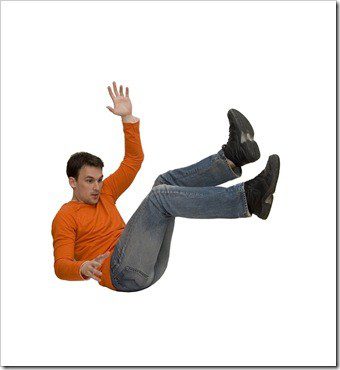
It is a sad reality that a fall can happen to anyone, no matter what your age, and the results of a fall can be anything from zero-injury to fatal. As you get older, however, the likelihood of a fall generally increases as your strength and co-ordination diminishes. Muscle strength and joint flexibility are less,...
Read More >>
by Dr. Brandon Chorney | Feb 26, 2013 | Health Articles
What is stenosis?
Spinal stenosis occurs when the spinal canal narrows, which may be down to a variety of reasons, including mechanical problems brought on by age, thickened ligaments, infection, abscess, developmental or congenital abnormalities, degenerative changes, dislocated or fractured vertebra, or a spinal cord tumor. Lower back pain, limping, and numbness in the legs can result from stenosis, although not always because it is often a degenerative condition that may be in evidence for years without causing any noticeable symptoms. What can trigger symptoms is some sort of trauma, perhaps a fall, that then creates pain characteristic of stenosis.
How stenosis is diagnosed
Understanding the history of the symptoms, performing a physical examination, and conducting imaging tests provide the information needed to make a diagnosis of spinal stenosis. However, an MRI scan does not provide an accurate prognosis for how the condition may develop; a better indicator is an electrodiagnostic study of the spine. Where the stenosis is suspected of being caused by an abscess or infection, blood will be taken for analysis. In the case of a suspected tumor, precise imaging of the spine is necessary to confirm diagnosis.
How stenosis is treated
The cause of a person’s stenosis will largely dictate the treatment options, which fall into three main categories:
- Conservative medical care – bed-rest, analgesics, local application of heat, and muscle relaxants
- Conservative chiropractic care – manipulation, exercise, and self-help techniques
- Surgery
The bad news is that stenosis is a chronic condition and there is no cure. The good news is that the condition can be treated and ameliorated for better long-term health prospects and overall quality of life. A doctor of chiropractic can play a significant part in the management of stenosis.
Stenosis Signs and Symptoms
These may indicate the presence of stenosis:
- Pain that is triggered by walking, or standing for too long. This pain is known as pseudoclaudication and can be eased by sitting down and leaning forward in a flexed position
- Legs that feel numb, tingly, hot or cold
- Muscle weakness and spasms

 How can I get the most nutrition from the vegetables I eat? There is a major difference in the nutrition of the vegetables you eat, depending on what form you eat them in. The freshest and least processed are generally the vegetables supplying the most nutrients.