Don’t Become A Whiplash Statistic
Our bodies love the exhilaration of moving fast. Unfortunately, they are not as accepting of the sharp stops. These sharp stops can not only be painful today but can have a traumatic effect on your health long term.
If you have ever been in a car, roller coaster, or possibly simply fallen and came to a sudden stop, you may have experienced an injury that may have produced neck pain, back pain, or headaches.
The injury suffered is most often described as Whiplash.
What Is A Whiplash Injury?
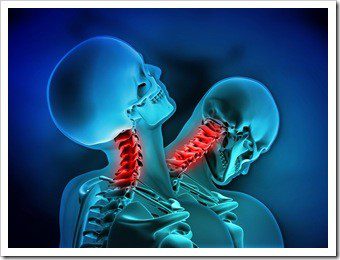
A whiplash injury refers to a group of injuries that occur as a result of the sudden, violent whipping motion of the head in an accident. The whip can happen in any direction – back-forward, forward-back, side-side, or anything in between. Various injuries can result, including damage to the supporting muscles, ligaments and other connective tissues in the neck and upper back. A host of related symptoms can then kick off from these, many of which, to the untrained eye, can appear completely unconnected to the original trauma.
Whiplash injuries most often result in a sprain-strain of the neck. This sprain occurs when the muscles and ligaments that help support, protect, and restrict excessive movement of the vertebrae are strained or stretched beyond their normal limits. The joints in the back of the spine, called the facet joints, are covered by ligaments called facet capsules, seem to be particularly susceptible to whiplash injury. The nerve roots between the vertebrae may also be stretched and become inflamed. Spinal discs between the vertebrae, which are essentially ligaments, can also be torn, potentially causing a disc herniation or worse fractured or dislocated.
While whiplash may be the most common injury, it may not present itself immediately. These complex injuries can manifest in a wide variety of ways, including neck pain, headaches, fatigue, upper back and shoulder pain, cognitive changes, and low back pain.
Symptoms Of A Whiplash Injury
People who experience whiplash may develop one or more of the following symptoms, usually within the first few days after the injury:
- Neck pain and stiffness
- Headaches
- Pain in the shoulder or between the shoulder blades
- Low back pain
- Pain or numbness in the arm and/or hand
- Dizziness
- Difficulty concentrating or remembering
- Irritability, sleep disturbances, fatigue
It should be remembered that the effects of whiplash may take weeks or months to fully manifest, thus it cannot be assumed that no problems exist just because no symptoms are felt immediately following the accident. These symptoms should always be taken seriously no matter how insignificant they may, at first, appear due to the areas which are affected.
If you are not very careful, a whiplash injury may end up causing permanent damage when it is not noticed or its effect is underestimated. Around 50% of whiplash victims are still suffering the effects of their whiplash years later.
What the Research Says…
Nearly 1 out of 15 adult Americans suffers from the annoying and sometimes debilitating long-term effects of a whiplash injury, usually in the form of neck stiffness and pain. Fortunately, chiropractic offers a very high level of help regarding relief for whiplash. Here are the conclusions of 3 separate studies:
- In a study published in Injury, 93 percent of 28 patients showed significant improvements following chiropractic care. The protocol utilized included spinal manipulation, stretching, and ice therapy.
- Study results published in the Journal of Orthopedic Medicine showed similar findings. “Whiplash injuries are common. Chiropractic is the only proven effective treatment in chronic cases,” researchers said in their study conclusions.
- Finally, two separate studies published in the Journal of Manipulative Physiology and Therapy confirm chiropractic benefits. “For chronic spinal pain in general, when compared to traditional medical approaches, chiropractic has generally been shown to be more effective.”
Using Your Head
Whiplash is a common injury that can occur in our current lifestyles. Practicing safe driving and using properly adjusted headrest restraints and seatbelts can go a long way to preventing whiplash accidents. Also, wearing the proper headgear in sporting activities, particularly for those playing a sport like football or lacrosse, can also help to prevent injuries. But when painful blows to the cervical spine occur be smart and have a professional evaluation by a chiropractor who is a spinal specialist and specialize in sports physiology and rehabilitation.
Green Light To Recovery
Although prevention would be the best solution, if you are in an accident remember seeing a chiropractor immediately after a collision can speed your road to recovery. Chiropractic care utilizes manual manipulation of the spine to restore the normal movement and position of the spinal vertebrae. Manipulation involves the Chiropractor gently moving the involved joint into the direction in which it is restricted. It is by far the single-most effective treatment for minimizing the long-term impact of whiplash injuries, and may be coupled with massage therapy, trigger point therapy, exercise rehabilitation and other soft tissue rehabilitation modalities.
So, if you or a loved one have been in an accident or are suffering from a related injury, make an appointment as soon as you can. Remember that letting the chiropractor and his expert team know the specific details of the accident will aid in the speed of your recovery.