by Dr. Brandon Chorney | Sep 20, 2011 | Health Articles

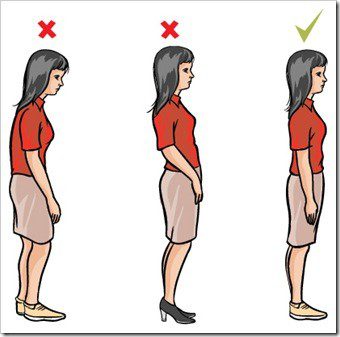
Few people understand the true importance of maintaining good posture. Despite our hearing about it on a pretty regular basis, why it matters and how to achieve it remain a little murky for many. Why good posture matters Good posture is more than standing up straight. You have posture when you stand, walk, sit, kneel,...
Read More >>
by Dr. Brandon Chorney | Sep 15, 2011 | Health Articles
CASE STUDY: A 45-year-old female patient complained of numbness and occasional tingling in her right little finger. Her symptoms had persisted for a two-week period.
A series of tests revealed restricted range of motion and when compared to the left hand, the right was noticeably weaker. The patient was diagnosed with Ulnar Tunnel Syndrome (UTS).
UTS is similar to Carpal Tunnel Syndrome, only UTS affects the little finger and ring finger, whereas CTS affects the thumb, index and middle fingers.
The patient sought Chiropractic care. During the first visit the patient received three types of treatment in order to increase mobilization and muscle strength. Repetitive pressure was applied to the affected area, an impulse was applied using the Activator method, and the patient also received a Chiropractic adjustment to the wrist.
Two days after the first visit, the patient’s symptoms had improved. She reported that the numbness in her finger had subsided to feeling more “tingly” and was isolated to the area around her first knuckle.
Following the third visit she improved by 80%. By the fourth visit muscle strength had returned to normal.
The patient later reported that the numbness was completely resolved following the fourth visit.
At a five-month follow-up the patient remained symptom-free and the muscle tests remained normal.
by Dr. Brandon Chorney | Sep 13, 2011 | Health Articles
Temporomandibular Joint Disorder, also abbreviated to TMD or TMJ, is the name for a variety of conditions that affect the jaw joint. Symptoms vary from case to case, as does the severity of the symptoms. Most people who suffer pain in the jaw muscles or joints experience only temporary or cyclical problems. Other people go on to develop chronic symptoms and are diagnosed as having TMD.
Signs of TMD may include:
- Radiating pain in your face, neck, or shoulders
- Limited movement or locking of your jaw
- Difficulty opening your mouth wide
- Pain when you chew or yawn
- Painful and/or loud clicking or grating when you open or close your mouth
- Pain or soreness in front of your ear, or in your jaw muscle, cheek, teeth, or temples
- A noticeable change in the way your upper and lower teeth fit together
- Headaches, earaches, dizziness, difficulties hearing or swallowing
If you have any of the above problems, your doctor of chiropractic can help identify whether TMD is responsible and offer appropriate conservative treatment if necessary.
Causes of TMD
TMD experts categorize the condition in three ways:
- Myofascial pain that affects the jaw, neck, and shoulders. (Myofascial refers to the muscles, not the face)
- Dislocation of the jaw or displacement of a disc
- Degenerative joint disease, meaning rheumatoid arthritis or osteoarthritis in the jaw joint
A physical insult to the jaw is a major cause of TMD. This may be in the form of a knock while playing sport, a punch, or simply through overuse syndromes such as excessive gum-chewing, or significantly favoring one side of the mouth over the other when chewing.
Extended periods of physical stress can also lead to TMD. For example, sitting in a dentist’s chair with your mouth wide open for hours, although most dentists are aware of this problem and schedule breaks for the patient, or screen them prior to treatment for any jaw joint issues. If there is a problem, appropriate physical therapy may be required after treatment, or the patient may be asked to prepare before treatment with a series of jaw-loosening exercises.
Emotional stress can also contribute to TMD, although it is not in itself a cause. When a person is stressed and reacts physically through repeated teeth clenching or grinding, especially when this happens unconsciously at night, TMD may develop if the stress continues to produce these physical effects for any length of time.
Certain conditions that used to be labeled as causes of TMD are now referred to as just triggers. This includes moderate gum chewing, jaw clicking that causes no pain, orthodontic treatment that does not involve excessive opening of the mouth, and upper and lower jaws that have never fitted together properly.
Women are four times more likely to experience TMD than men, which may be down to postural differences, exacerbated by high heels.
Diagnosis and Treatment of TMD
If your doctor of chiropractic is required to assess TMD as a possible cause of your symptoms, you may be asked to do several things: place three fingers vertically in your mouth and bite down, open and close your mouth, and chew repeatedly. The chiropractor will check your jaw joint and muscle balance as your do these exercises and this is usually sufficient to confirm or rule out TMD. You will also be checked for any signs of inflammation and abnormalities. If further investigation is required to confirm diagnosis, an x-ray or MRI may be ordered.
If it is TMD, you may require chiropractic manipulation and massage, the application of heat and ice, and special exercises, with the primary aim of alleviating any pain. You may also be referred to a dentist or orthodontist if any appliances or splints are required to reduce the causes of the TMD.
Further chiropractic advice for dealing with TMD:
- Heat and ice. An ice pack isrecommended shortly after the injury or onset of pain. Later on, heat will help promote healing and reduce discomfort.
- Certain joint movements need to be avoided, such as chewing on hard foods, or eating food that causes the mouth to open too wide.
- TMD-specific stretching or strengthening exercises may be prescribed according to the specific case, and special feedback sensors in the jaw may need to be retrained.
by Dr. Brandon Chorney | Sep 8, 2011 | Health Articles
CASE STUDY: A nine-year-old male suffered with Tourette Syndrome, Attention Deficit Hyperactivity Disorder, depression, asthma, insomnia, and headaches. The asthma and upper respiratory infections were present since infancy; headaches began at age 6, followed by the onset of TS, ADHD, depression and insomnia at age 7, and neck pain for the last year. According to...
Read More >>
by Dr. Brandon Chorney | Sep 6, 2011 | Health Articles
More often than not, stroke is suffered by older people, although they can strike at any age. Risk factors for stroke include poor diet, smoking and lack of exercise. More specifically, stroke is more likely in the obese, those suffering high blood pressure, heart disease, diabetes, those who abuse alcohol, or have a family history...
Read More >>
by Dr. Brandon Chorney | Sep 1, 2011 | Health Articles
A 78-year-old man was suffering from increasing pains he described as “achy low back pain” for two years and had progressively worsening pain in his legs that he described as “sharp, electric and crampy.” An MRI showed severe degenerative lumbar (low back) stenosis. Lumbar spinal stenosis (LSS) is a condition resulting in narrowing of the...
Read More >>
by Dr. Brandon Chorney | Aug 30, 2011 | Health Articles
What is stenosis? Spinal stenosis occurs when the spinal canal narrows, which may be down to a variety of reasons, including mechanical problems brought on by age, thickened ligaments, infection, abscess, developmental or congenital abnormalities, degenerative changes, dislocated or fractured vertebra, or a spinal cord tumor. Low-back pain, limping, and numbness in the legs can...
Read More >>
by Dr. Brandon Chorney | Aug 25, 2011 | Health Articles
Two months before the 2003 New York City Marathon, Sean Combs, “Puff Daddy,” decided he was going to complete the 26.2 mile course through Manhattan. After barely making it through a two-mile training session, Combs realized he needed help. He called upon Drew DeMann, DC, MA, CCSP, his “personal sports physician.” DeMann provided Chiropractic care...
Read More >>
by Dr. Brandon Chorney | Aug 23, 2011 | Health Articles
It is a sad reality that a fall can happen to anyone, no matter what your age, and the results of a fall can be anything from zero-injury to fatal. As you get older, however, the likelihood of a fall generally increases as your strength and co-ordination diminishes. Muscle strength and joint flexibility are less,...
Read More >>
by Dr. Brandon Chorney | Aug 18, 2011 | Health Articles
Chiropractic has been effective in treating patients with various vision problems, as shown by the results of the studies below. A nine-year-old female child had failed vision in both eyes; after Chiropractic treatment her vision returned to normal. One year later, the same patient returned after being hit in the head by a ball, which...
Read More >>