by Dr. Brandon Chorney | Feb 28, 2013 | Health Articles

It is a sad reality that a fall can happen to anyone, no matter what your age, and the results of a fall can be anything from zero-injury to fatal. As you get older, however, the likelihood of a fall generally increases as your strength and co-ordination diminishes. Muscle strength and joint flexibility are less,...
Read More >>
by Dr. Brandon Chorney | Feb 26, 2013 | Health Articles
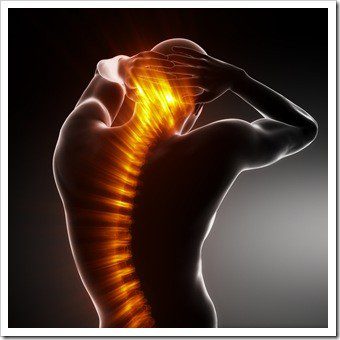
What is stenosis? Spinal stenosis occurs when the spinal canal narrows, which may be down to a variety of reasons, including mechanical problems brought on by age, thickened ligaments, infection, abscess, developmental or congenital abnormalities, degenerative changes, dislocated or fractured vertebra, or a spinal cord tumor. Lower back pain, limping, and numbness in the legs...
Read More >>
by Dr. Brandon Chorney | Feb 21, 2013 | Health Articles
More often than not, stroke is suffered by older people, although they can strike at any age. Risk factors for stroke include poor diet, smoking and lack of exercise. More specifically, stroke is more likely in the obese, those suffering high blood pressure, heart disease, diabetes, those who abuse alcohol, or have a family history...
Read More >>
by Dr. Brandon Chorney | Feb 20, 2013 | Our Videos
To learn more visit https://chirolifewellness.com . Our chiropractors treat headaches, neck pain, back pain and sports injuries. We can help you get your life back from the pain that is holding you back. Chiropractic Life and Wellness Center 3 Route 39 New Fairfield, CT 06812 Phone: 203-746-6543...
Read More >>
by Dr. Brandon Chorney | Feb 20, 2013 | Our Videos
To learn more visit https://chirolifewellness.com . Our chiropractors treat headaches, neck pain, back pain and sports injuries. We can help you get your life back from the pain that is holding you back. Chiropractic Life and Wellness Center 3 Route 39 New Fairfield, CT 06812 Phone: 203-746-6543...
Read More >>
by Dr. Brandon Chorney | Feb 19, 2013 | Health Articles
Why would a parent not take a child to see a chiropractor? The basic answer might come down to no information or incorrect information. Here are some of the most common reasons why not: They don’t know about Chiropractic They don’t know about the potential benefits of Chiropractic They think that a Chiropractic adjustment might...
Read More >>
by Dr. Brandon Chorney | Feb 14, 2013 | Health Articles
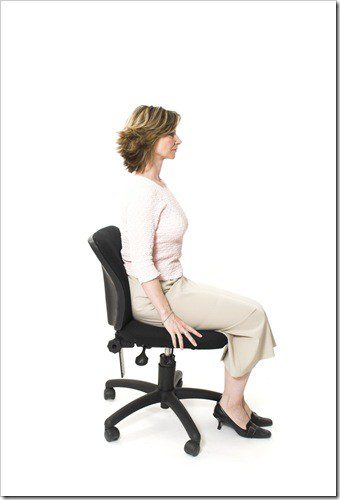
Few people understand the true importance of maintaining good posture. Despite our hearing about it on a pretty regular basis, why it matters and how to achieve it remain a little murky for many. Why good posture matters Good posture is more than standing up straight. You have posture when you stand, walk, sit, kneel,...
Read More >>
by Dr. Brandon Chorney | Feb 12, 2013 | Health Articles
Even if you love fashion, you must know that it’s a pretty fickle beast. What’s in one day is passé the next. You spend hundreds on an item in March, and then wouldn’t be seen dead with it in May. But the worst of it is the toll it can take on you physically. No...
Read More >>
by Dr. Brandon Chorney | Feb 7, 2013 | Health Articles
Traveling in any mode of transport can be physically demanding. Even if the final destination is a luxury holiday, getting there can leave you tired, stressed and in pain. Sitting down for too long can cause significant problems for the body. No matter how comfortable the seat or surroundings, pressures build and blood flow is...
Read More >>
by Dr. Brandon Chorney | Feb 5, 2013 | Health Articles
Pregnancy exerts a significant toll on the body, and muscle strains are commonly reported. With an average weight gain during pregnancy of 25 to 35 pounds, coupled with the internal shifting caused by a growing baby, it is no surprise that pregnant women may end up in severe discomfort. Figures reveal that around 50% of...
Read More >>